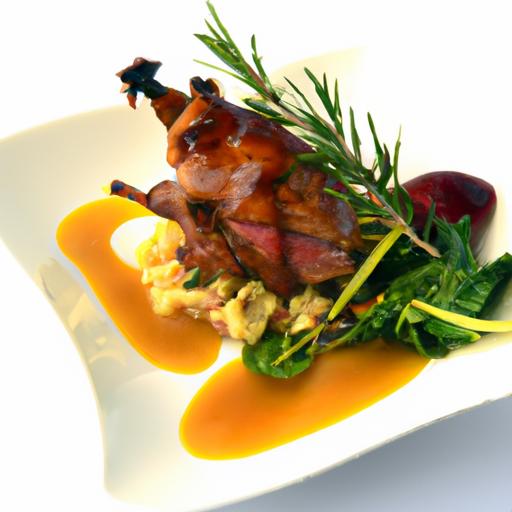


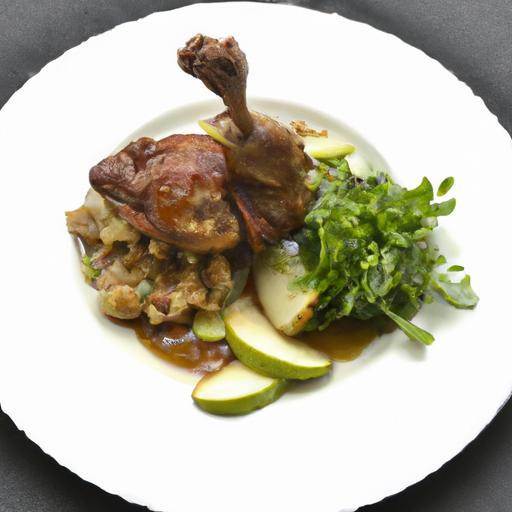
There’s something undeniably magnetic about the rich, succulent allure of duck confit-a dish where tradition meets indulgence in every tender bite. Imagine savoring a bowl that elevates this classic French delicacy, transforming it into an artful fusion of flavors and textures that dance on your palate. In this culinary journey, we’ll explore the secrets behind crafting the ultimate duck confit bowl, from perfectly crisped duck legs to vibrant accompaniments that balance and brighten each mouthful.Whether you’re a seasoned home cook or a curious foodie, get ready to dive into a savory adventure that celebrates the timeless magic of slow-cooked duck in a bowl designed for unforgettable flavor.
Savor the Flavor: Crafting the ultimate Duck Confit Bowl
Savor the flavor of this iconic French delicacy, where rich, tender duck meets the artistry of slow cooking and harmonious bowls. Originating from Gascony, duck confit exemplifies preservation and indulgence, marrying crisp skin and melt-in-your-mouth meat. This recipe will guide you through selecting the perfect duck, mastering the slow-cooking technique, and balancing textures with vibrant bowl ingredients, culminating in a plating experience that’s as visually stunning as it is indeed tasty.
Prep and Cook Time
Preparation: 20 minutes + 24 hours curing time
Cooking: 3 hours slow-cooking + 15 minutes finishing crisp
Yield
4 hearty servings
Difficulty Level
Medium – Perfect for confident home cooks ready to elevate their culinary repertoire
Ingredients
- 4 duck legs, skin-on, trimmed
- 3 tablespoons kosher salt
- 6 cloves garlic, smashed
- 4 sprigs fresh thyme
- 2 sprigs fresh rosemary
- 1 bay leaf
- 1 tablespoon black peppercorns, crushed
- 3 cups duck fat (or rendered goose fat)
- 2 cups cooked farro or quinoa, cooled
- 1 cup baby arugula
- 1 cup roasted cherry tomatoes
- 1/2 cup toasted walnuts
- 1 small red onion, thinly sliced and caramelized
- Fresh parsley and lemon wedges for garnish
- Salt and freshly ground black pepper to taste
Instructions
- Prepare the duck legs: Pat dry the duck legs with paper towels. In a bowl, combine kosher salt, crushed black peppercorns, smashed garlic, rosemary, thyme, and bay leaf. Rub the mixture generously over the duck legs, ensuring every crevice is seasoned.
- Cure overnight: Place duck legs in a shallow dish, cover tightly with plastic wrap, and refrigerate for 24 hours.This curing process draws moisture out, enhancing flavor and texture.
- Rinse and dry: after curing, gently rinse off the salt mixture under cold water and pat the legs completely dry. This step ensures your confit won’t be overly salty.
- Slow cook in duck fat: Preheat oven to 225°F (107°C). In a heavy ovenproof pot or Dutch oven, melt the duck fat over low heat. Submerge the duck legs completely in the warm fat.Cover with a lid and transfer to the oven. Cook for about 3 hours, or until the meat is incredibly tender and pulls away from the bone effortlessly.
- Render the skin crisp: Carefully remove the legs from the fat and place skin-side down in a cold skillet over medium heat. Cook until the skin is golden and crisp, about 5-7 minutes. Flip briefly to heat through but avoid softening the crispy skin.
- Build the bowl: In each bowl, layer cooked farro or quinoa, arrange baby arugula and roasted cherry tomatoes. Place one duck leg atop each bowl and scatter caramelized onions and toasted walnuts for crunch.
- Finish and garnish: Sprinkle with fresh parsley, season lightly with cracked black pepper, and serve with lemon wedges to brighten every bite.
Tips for Success
- Choosing duck confit for beginners: Start with a quality fresh duck leg from a trusted butcher-the fresher, the better for texture and flavor.
- Duck fat alternatives: If duck fat is unavailable, goose fat or a neutral oil like grapeseed can be a substitute but won’t impart the same depth.
- Make-ahead magic: Confit improves with time. Duck legs can be cooked and stored submerged in fat in the fridge for up to two weeks. Re-crisp skin just before serving.
- Balancing bowl ingredients: Add a splash of acidity through lemon or a drizzle of aged balsamic vinegar to offset the richness of the duck.
- Leftover use: Shred leftover duck confit for hearty salads or rustic sandwiches with pickled vegetables.
Serving Suggestions
For an unforgettable meal, serve the duck confit bowls alongside a chilled glass of Pinot Noir or a radiant, citrus-forward Sauvignon Blanc. Garnish generously with fresh herbs and a light dusting of flaky sea salt. A side of warm crusty bread or a simple green salad with vinaigrette can elevate the experience further.

| Nutrient | Per Serving |
|---|---|
| Calories | 680 kcal |
| Protein | 45 g |
| Carbohydrates | 18 g |
| Fat | 45 g |
For more delicious ideas and culinary inspiration, explore our French duck recipe collection. To deepen your understanding of the confit method’s history and chemistry, check out this detailed article from Serious Eats.
Q&A
Q&A: Savor the Flavor – Crafting the Ultimate Duck Confit Bowl
Q1: What makes duck confit such a celebrated dish in the culinary world?
A1: Duck confit is a masterpiece of slow-cooking luxury-duck legs salted, seasoned, and gently cooked in their own fat until meltingly tender. This age-old French technique infuses the meat with rich, savory flavors and a velvety texture, turning humble ingredients into a decadent experience. The magic lies in patience and quality,elevating simple duck into a dish that’s both rustic and refined.
Q2: How do you start crafting the perfect duck confit?
A2: Begin by curing the duck legs with salt, garlic, thyme, and a touch of pepper-this step is essential for depth of flavor and moisture retention.After a few hours or overnight, rinse off the cure, then slowly submerge the legs in rendered duck fat at a low temperature (around 200°F or 93°C). The slow poaching can take 2-3 hours, allowing the meat to become tender without drying out.
Q3: What are key tips to achieve that crispy skin crunchy contrast in your duck confit bowl?
A3: Once your duck legs are cooked and cooled in the fat, it’s all about the final sear. Pat the skin dry thoroughly-moisture is the enemy of crispiness. Heat a pan until very hot and sear the skin side down until golden and crisp. This textural contrast is what makes every bite so satisfying-crunchy skin with rich, tender meat.
Q4: What ingredients pair perfectly in an ultimate duck confit bowl?
A4: the bowl is a flavor playground! Start with a base like creamy mashed potatoes, wild rice, or even a nutty farro. Add sautéed greens such as kale or spinach for earthiness, and roasted root vegetables like carrots and parsnips for sweetness. Bright accents like pickled red onions or a tangy berry compote provide balance,while a drizzle of rich duck jus or a dollop of mustard aioli brings it all home.
Q5: Can the duck confit bowl be adapted for different seasons or dietary preferences?
A5: Absolutely! In spring,swap root veggies for fresh asparagus and peas. For a lighter take, use quinoa or cauliflower rice as your base.Vegetarians can mimic the concept by using slow-roasted mushrooms or smoky seitan, paired with hearty grains and vibrant veggies. The essence lies in layering textures and flavors-rich, savory, fresh, and bright.
Q6: How should one serve and enjoy their duck confit bowl for the ultimate dining experience?
A6: Presentation is key-arrange your bowl with colorful, thoughtfully placed ingredients showcasing textures and hues. Serve warm with a crisp,acidic white wine like Sauvignon Blanc or a fruity Pinot Noir to cut through the fat richness. Take your time, savor every bite, and don’t be shy to mix and match components in each mouthful for a symphony of flavors.
Q7: Any final secret tips for beginners embarking on their duck confit journey?
A7: patience is your best friend-don’t rush the curing or cooking steps. Invest in quality duck legs and pure duck fat if possible; these ingredients elevate the dish immensely. Experiment with seasoning blends during the cure-smoked paprika or star anise can add unique twists. Most importantly, have fun creating and savoring this timeless dish-it’s as much about the journey as the destination!
Insights and Conclusions
As the aroma of tender, golden duck confit mingles with vibrant, fresh accompaniments, crafting the ultimate duck confit bowl becomes more than just a recipe-it’s a culinary journey that celebrates tradition and creativity in every bite. Whether you’re a seasoned chef or an adventurous home cook, embracing the art of slow-cooked perfection invites you to savor not only the rich flavors but also the stories behind this timeless dish. So next time you crave a meal that’s as indulgent as it is indeed comforting, remember: the ultimate duck confit bowl awaits, ready to delight your palate and inspire your kitchen adventures.