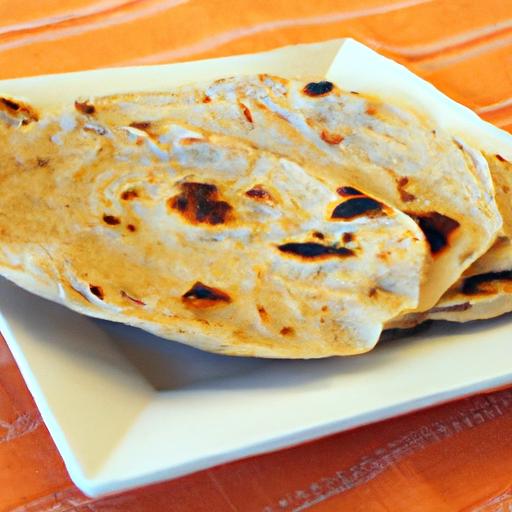


Imagine biting into a warm, golden flatbread that not only delights your taste buds but also fuels your body with wholesome goodness. That’s the magic of sattu paratha-a beloved indian staple that marries simplicity with nutrition in every flaky, flavorful fold. Often overshadowed by more popular breads like naan and roti, sattu paratha quietly carries centuries of tradition and health benefits within its humble layers. In this article, we’ll unravel the story behind sattu paratha, exploring its ingredients, cultural importance, and why it continues to be a powerhouse of nourishment on Indian dining tables. whether you’re a food enthusiast or a health-conscious eater, get ready to discover how this nutritious Indian flatbread earns its place as both a culinary delight and a wholesome meal.
Sattu Paratha: Nutritious Indian Flatbread Explained
Sattu Paratha is a delightful and wholesome marvel from Indian cuisine, cherished for its rich nutritional profile and rustic, hearty flavor.This traditional flatbread not only comforts the soul but also fuels the body with protein-packed roasted gram flour-known as sattu-making it a favorite among health enthusiasts and food lovers alike. Originating from the eastern parts of India, especially Bihar and Jharkhand, sattu paratha brings together ancient wisdom and practical simplicity, delivering a fulfilling meal that’s as vibrant in taste as it is indeed in history.
Prep and Cook Time
Preparation: 20 minutes
cooking: 15 minutes
Total: 35 minutes
Yield
4 servings (4 parathas)
Difficulty Level
Medium – Perfect for home cooks looking to master traditional Indian breads with a nutritious twist.
Ingredients
- 2 cups whole wheat flour, sifted
- 1 cup sattu (roasted gram flour)
- 1 medium onion, finely chopped
- 2 green chilies, finely chopped (adjust to taste)
- 1 tsp roasted cumin powder
- 1 tsp chaat masala
- Fresh coriander leaves, chopped (2 tbsp)
- Salt to taste
- 1 tbsp lemon juice
- Warm water, as needed for the dough
- Ghee or oil, for cooking
Instructions
- Prepare the dough: In a large bowl, combine the whole wheat flour with a pinch of salt. Gradually add warm water, kneading gently to form a soft, pliable dough. Cover and set aside for 15 minutes to rest.
- Mix the filling: In a separate bowl, combine the sattu, chopped onion, green chilies, roasted cumin powder, chaat masala, salt, lemon juice, and coriander leaves. Add a splash of water if the mixture feels dry, just enough to bind the ingredients smoothly.
- Divide and roll: Divide the dough into 4 equal balls. On a lightly floured surface, roll out one ball into a small disk approx. 4 inches in diameter.
- Fill the paratha: Place a generous spoonful of the sattu filling into the centre of the rolled dough.Carefully bring the edges together, sealing the filling inside. Flatten gently and roll out again to a circle about 7-8 inches, being careful to avoid tearing.
- Cook the paratha: Heat a tawa or griddle over medium-high heat. Place the rolled paratha on it, cooking for about 1-2 minutes till bubbles start to form. Flip and spread ghee/oil around the edges and on top. Cook the other side until golden brown spots appear, than flip again and apply ghee/oil. Repeat until both sides are crisp and cooked through.
- serve warm: Transfer to a plate and cover with a clean cloth to keep soft while preparing the remaining parathas.
tips for Success
- For perfect dough: Don’t over-knead; the dough should be soft but not sticky. Resting it helps gluten develop, leading to softer parathas.
- Keep filling balanced: Adjust green chilies and spices to suit your palate. If you prefer a milder taste, reduce cumin and chili quantity.
- Sealing the edges: Wetting dough edges slightly before sealing helps prevent filling leaks during rolling and cooking.
- Rolling technique: Roll gently with even pressure. If paratha sticks, dust with dry flour sparingly to avoid dryness.
- Storage tips: Parathas can be refrigerated in an airtight container for 1-2 days and reheated on a griddle with a little ghee for freshness.
Innovative Filling Ideas to Elevate Your Sattu Paratha Experience
While the classic sattu filling is unbeatable, why not experiment with creative blends? Try mixing grated paneer and chopped mint leaves for a creamy twist or add finely minced ginger and roasted peanuts for added texture and zing.Another exciting option is to incorporate finely grated carrots and chopped spinach into the sattu mix for a colorful, nutrient-packed variation that still respects the rustic soul of this Indian flatbread.
Serving Suggestions
Serve these golden-brown sattu parathas hot off the griddle with a swirl of boondi raita or cool mint chutney. A dollop of fresh butter or a drizzle of spicy garlic pickle on the side enhances the flavor beautifully. garnish with a sprinkle of freshly chopped coriander and a squeeze of lemon to brighten every bite. Whether enjoyed for breakfast, lunch, or dinner, these parathas pair wonderfully with steaming chai or a glass of buttermilk for a truly satisfying meal.
| nutrition (per serving) | Amount |
|---|---|
| Calories | 280 kcal |
| Protein | 12 g |
| Carbohydrates | 35 g |
| Fat | 7 g |

Mastering Traditional Preparation Techniques for Authentic Flavor
Achieving the perfect sattu paratha requires attention to every step-from kneading the dough until it softly yields to the touch, to skillfully sealing the flavorful filling inside. The key to authenticity lies in honoring the delicate balance between the dry roasted sattu and the moist ingredients like onions and fresh herbs, which bring layers of texture and aroma. Cooking on a well-heated tawa ensures that the paratha develops crisp, golden patches while maintaining an enticing softness, fundamental to this traditional delicacy. Patience and practise in mastering the rolling technique will reward you with a flatbread that’s not just nutritious but also irresistibly delicious.
For readers keen on exploring more about Indian flatbreads, check out our comprehensive guide to traditional Indian breads. For science-backed benefits of sattu and pulses,visit The British Nutrition Foundation.
Q&A
Q&A: Sattu Paratha – Nutritious Indian flatbread Explained
Q1: What is Sattu Paratha?
A: Sattu Paratha is a traditional Indian flatbread stuffed with sattu-a flour made from roasted chickpeas or Bengal gram. It’s a wholesome dish popular in Bihar,Jharkhand,and parts of Uttar Pradesh,known for its earthy flavor and hearty texture.
Q2: Why is sattu considered nutritious?
A: Sattu is a powerhouse of nutrition! Packed with protein, fiber, and essential minerals like iron and magnesium, it provides sustained energy and aids digestion. Plus, it’s naturally gluten-free and low in fat, making it a healthy option to many other flours.
Q3: How is Sattu Paratha made?
A: The process begins by mixing sattu flour with spices, herbs, and a splash of lemon juice or tamarind for a tangy kick. This flavorful filling is then stuffed into a soft wheat dough ball, rolled out carefully, and cooked on a hot griddle with a drizzle of ghee or oil until golden brown and slightly crispy.
Q4: Can Sattu Paratha be eaten for all meals?
A: Absolutely! Whether it’s a hearty breakfast, a comforting lunch, or a quick dinner, Sattu Paratha fits perfectly. It’s especially favored during summers as sattu is believed to have cooling properties that help beat the heat.
Q5: Are there any variations of Sattu Paratha?
A: Yes! While the classic version stays true to simple spices like cumin, coriander, and green chilies, some recipes add grated vegetables, nuts, or seeds for extra texture and flavor. Some even enrich the dough with fenugreek leaves or spinach for a nutrient boost.
Q6: How does Sattu Paratha compare to other stuffed parathas?
A: Unlike potato or paneer fillings, sattu offers a nuttier, deeper taste along with nutritional benefits. Its high protein and fiber content make it more filling and beneficial for digestive health. It’s a wholesome twist on the beloved Indian stuffed bread tradition.
Q7: Is Sattu Paratha suitable for special diets?
A: Yes, especially if you’re gluten-sensitive-just ensure the dough uses gluten-free flour. It’s vegan, free from artificial additives, and can be tailored to be low-carb by adjusting the outer dough. This makes it a versatile choice for various dietary needs.
Q8: Where can someone try authentic Sattu Paratha?
A: The best experience is in the northern Indian heartlands-local dhabas (roadside eateries) in Bihar or Jharkhand serve it fresh with dollops of homemade butter, pickles, or yogurt. However, with sattu flour increasingly available online, you can also enjoy this nutritious delight at home.Q9: Any tips for making perfect Sattu Paratha?
A: Keep the dough soft but firm enough to hold the filling without tearing. Use fresh, roasted sattu for the best flavor, and don’t skimp on spices and acid-lemon juice or amchur really brighten the taste! Cook on medium heat so the paratha cooks thoroughly without burning.
Q10: Why should one include sattu Paratha in their diet?
A: Beyond its rich taste and cultural heritage, Sattu Paratha is a nutritional marvel that supports energy levels, digestion, and overall well-being. It’s comfort food with a conscious twist-a perfect blend of tradition and health on your plate.
Concluding Remarks
In the tapestry of Indian cuisine, Sattu Paratha stands out not just as a humble flatbread but as a powerhouse of nutrition and tradition. Packed with the wholesome goodness of roasted gram flour, this golden delight offers more than just flavor-it delivers a sustaining energy that has fueled generations. Whether savored at breakfast, lunch, or as a comforting snack, Sattu Paratha bridges the gap between health and heritage on your plate.So next time you crave something hearty yet healthy, remember this time-tested recipe that turns simple ingredients into a party of nourishment and culture. Embrace the ancient wisdom baked into every bite and let Sattu Paratha enrich your culinary journey with its nutritious charm.