

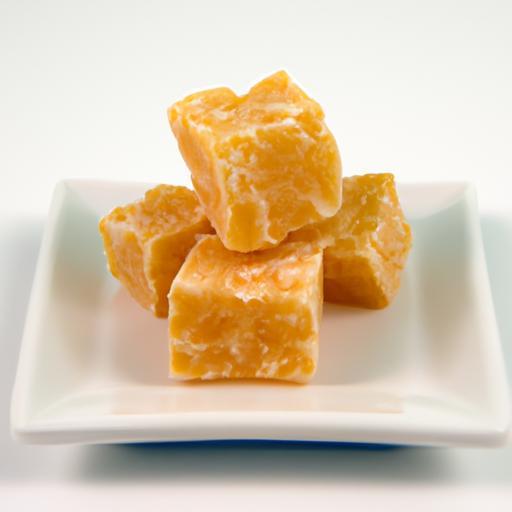
Golden bubbles of childhood joy, honeycomb candy captivates with its delicate crunch and honeyed sweetness. Beneath its seemingly simple exterior lies a captivating blend of science and craft-a precise dance between temperature, timing, and chemistry that yields its signature airy texture. In this article, we unravel the secrets behind honeycomb candy’s irresistible crunch, exploring how sugar transforms into a brittle symphony of caramelized wonder, and how artisans balance art and technique to create this timeless treat. Join us as we delve into the sweet science and creative mastery that make honeycomb candy a crunchy delight savored across generations.
Sweet Crunch honeycomb candy is a magical treat where science meets artistry-a delicate balance of chemistry and temperature control that results in a delightfully airy, crisp texture packed with golden sweetness. Originating from traditional confections worldwide, this candy’s charm lies in its brittle yet bubbly structure formed by a natural reaction between baking soda and hot caramelized sugar. Whether enjoyed as a nostalgic snack or an elegant dessert accent, mastering its creation offers endless creative possibilities.
Prep and Cook Time
Planning: 10 minutes
Cooking: 5 minutes
total Time: 15 minutes
Yield
Approximately 12 pieces
difficulty level
Medium – Requires attention to temperature and timing
Ingredients
- 1 cup granulated sugar
- 1/4 cup golden syrup or light corn syrup
- 2 tbsp honey (for enhanced sweetness and complexity)
- 2 tsp baking soda, sifted
- 1 tbsp water
- Optional: 1/2 tsp vanilla extract or 1 tsp finely chopped crystallized ginger for creative twists
- Non-stick cooking spray or butter (for greasing)
Instructions
- Prepare your workspace: Lightly grease a rimmed baking sheet or line it with parchment paper. Have your baking soda ready in a small bowl.
- Combine sugar, syrup, honey, and water: In a heavy-bottomed saucepan over medium heat, stir until sugar dissolves fully. Attach a candy thermometer to the pan, ensuring it doesn’t touch the bottom.
- Bring to boil and cook without stirring: Let the mixture reach 300°F (hard crack stage). This precise temperature ensures the candy achieves its characteristic crunch. watch carefully; caramel can burn in moments.
- Remove from heat and quickly whisk in baking soda: The mixture will foam vigorously as the baking soda reacts with acid, creating the honeycomb’s iconic bubbles and airy texture. Add vanilla or ginger now, if using.
- Pour instantly onto the prepared baking sheet: Spread evenly, but do not flatten-allow the bubbles to thrive. Let cool completely for at least 30 minutes.
- Break into rustic shards: use a knife or hands to create irregular pieces ideal for serving or garnishing desserts.
Mastering the Perfect Crunch Through Temperature Control
Temperature is the heart of the Sweet Crunch honeycomb candy. Achieving exactly 300°F ensures the sugar caramelizes fully while the baking soda expands, creating pockets that trap air and form an irresistible, crisp crunch. undercooking yields a chewy, sticky candy; overcooking makes it bitter and dense. using a reliable candy thermometer and removing the mixture swiftly from heat are key for success.
Balancing Flavors: Choosing the Right Ingredients for Honeycomb
The interplay of granulated sugar, golden syrup, and honey shapes the honeycomb’s sweetness and depth. Golden syrup adds a rich, buttery nuance, while honey offers floral aromas and natural sugars that elevate the profile beyond simple caramel. For adventurous cooks, subtly incorporating spices like ground cardamom or citrus zest introduces sophisticated layers without overpowering the classic taste.
Creative Twists and Serving Suggestions to Elevate Your Honeycomb candy
Sweet Crunch honeycomb is a blank canvas ready to complement your culinary imagination. Consider dipping shards in dark chocolate,sprinkling with sea salt,or crumbling over ice cream and yogurt to add vibrant texture contrast. For an elegant dessert, layer honeycomb chunks with whipped cream and fresh berries in parfait glasses, or crush and fold into cookie dough for a delightful surprise. The visual appeal-golden, bubbly, and glossy-makes it perfect for gifting or festive garnishes.
Tips for Success
- Use fresh baking soda: Old baking soda can reduce the honeycomb’s rise and texture.
- Work quickly: Once baking soda is added, the mixture hardens fast.
- Adjust heat carefully: Utilize a heavy-bottom pan for even heat distribution.
- Store properly: Keep honeycomb in an airtight container away from humidity to preserve crunch.
- Make ahead: Honeycomb candy can be made 3 days in advance and stored well.
Serving Suggestions
- Serve alongside espresso or a smoky black tea to balance sweetness with bitterness.
- Crush and sprinkle on top of panna cotta, cheesecakes, or frozen desserts for a stunning crunch factor.
- Incorporate into cocktail rims or garnishes, pairing honeycomb with whiskey or bourbon cocktails.
- Wrap shards in decorative cellophane for homemade sweet gifts.
Nutritional Details (per piece)
| Calories | Protein | Carbs | Fat |
|---|---|---|---|
| 110 | 0g | 28g | 0g |

For a deeper understanding of caramel science, visit the Cook’s Illustrated caramelization article. Interested in pairing your honeycomb candy with baked goods? Check out our honeycomb brittle cookies recipe for a appetizing continuation of Sweet Crunch adventures.
Q&A
Q&A: Sweet Crunch – The science and Art of Honeycomb Candy
Q1: What exactly is honeycomb candy, and why is it called that?
A: Honeycomb candy, also known as sponge toffee or cinder toffee, is a light, airy confection characterized by its golden, porous texture that resembles the structure of a natural honeycomb. Its name comes from this intricate network of bubbles that form as the candy cooks, creating a sweet “honeycomb” pattern both inside and out.
Q2: What are the basic ingredients of honeycomb candy?
A: at its heart, honeycomb candy is surprisingly simple. The core ingredients include sugar, golden syrup or corn syrup, and baking soda. Some recipes add a touch of vinegar or honey for flavor depth. When the sugar syrup is heated and the baking soda is introduced, a fascinating chemical reaction bubbles the candy into its distinctive airy form.
Q3: How does the “honeycomb” texture form?
A: The magic happens thanks to a chemical reaction between baking soda (sodium bicarbonate) and the hot sugar syrup. When baking soda is added to the boiling syrup,it immediately releases carbon dioxide gas. The gas forms bubbles trapped within the viscous syrup as it cools and hardens, creating the candy’s cellular honeycomb structure.Q4: Why is temperature control crucial in making honeycomb candy?
A: Temperature is the heartbeat of honeycomb candy crafting. The sugar syrup must be heated precisely – typically to around 300°F (150°C), known as the hard crack stage – to ensure it will set correctly. Too low, and the candy remains sticky and soft; too high, and it caramelizes too darkly or burns. Perfect temperature ensures that the honeycomb is both crisp and delicately crunchy.
Q5: Can the honeycomb candy be flavored or paired creatively?
A: Absolutely! Even though classic honeycomb shines on its own with a buttery caramel flavor, it can be infused with vanilla, coffee, or citrus zest. Some artisans dip their honeycomb in dark chocolate to contrast bitterness with sweet crunch, while others incorporate it into ice creams, cakes, or even cocktails, turning simple candy into a gourmet marvel.
Q6: What’s the secret to keeping honeycomb candy crisp and crunchy after making it?
A: Honeycomb candy is hygroscopic, meaning it attracts moisture from the air, which can lead to softening over time. To preserve its distinctive crunch, it should be stored in an airtight container at room temperature away from humidity.Some enthusiasts even vacuum-seal portions to lock in freshness for weeks.
Q7: Where did honeycomb candy originate, and how did it gain popularity?
A: Honeycomb candy’s origins are a bit of a sweet mystery, with variations appearing across cultures-from British cinder toffee and japanese karumeyaki to Australian hokey pokey. Its simple ingredients and delightful texture have made it a beloved treat worldwide, often linked to nostalgic childhood memories and festive celebrations.
Q8: What common mistakes should beginners avoid when making honeycomb candy?
A: Timing and precision are key pitfalls. Adding baking soda too early or too late can affect bubble formation; stirring too vigorously after adding baking soda can deflate the delicate bubbles; and letting the syrup cool down before adding baking soda means the reaction won’t create proper bubbles.Patience and a steady hand turn this science into art.
Q9: How can honeycomb candy inspire creativity beyond the kitchen?
A: With its mesmerizing honeycomb pattern and crunchy texture, honeycomb candy has inspired designers and artists alike. Its cellular, geometric form mimics natural patterns, offering metaphorical insight into structure, fragility, and conversion-proving that even a simple candy can spark imagination outside the realm of taste.
Q10: What makes honeycomb candy a perfect example of the union between science and art?
A: Honeycomb candy embodies the delicate dance between chemistry and craftsmanship. Understanding the precise chemical reactions and temperature thresholds is essential-yet so is the intuition to pour, shape, and present the candy beautifully. It’s where bubbling science meets sweet artistry, reminding us that every bite is a triumph of both knowledge and creativity.
Closing Remarks
As we unwrap the golden layers of honeycomb candy, we discover more than just a sweet treat; we unveil a delicate dance of chemistry and craftsmanship. From the precise alchemy of sugar and heat to the airy, crackling texture that delights the palate, honeycomb stands as a testament to how science can transform simple ingredients into edible art. Whether savored in a moment of nostalgic indulgence or crafted anew in modern kitchens, this candy continues to captivate with its irresistible crunch and honeyed glow-a perfect fusion of nature’s sweetness and human ingenuity. So next time you bite into that shimmering shard, remember: your tasting the delicious harmony of science and creativity in every crackle.