

There’s a quiet magic in the way the Japanese begin their mornings-a harmonious ritual that nourishes both body and soul. At the heart of this daily symphony lies the Japanese breakfast bowl, a masterful blend of simplicity and flavor that transforms the first meal of the day into an art form. more than just sustenance, these bowls are carefully crafted compositions, balancing textures, colors, and nutrition to awaken the senses and prepare you for whatever lies ahead. In this article, we’ll explore the essence of Japanese breakfast bowls, uncovering the traditions, ingredients, and mindful practices that make starting your day with one not onyl delicious but deeply invigorating. Join us as we dive into the art of beginning right-one bowl at a time.
start Your Day Right with the Art of Japanese Breakfast Bowls by embracing the perfect balance of flavors and nutrition designed to energize your morning and soothe the soul. This customary meal celebrates simplicity, freshness, and harmony, combining wholesome ingredients that nourish both body and palate.
prep and Cook Time
- Readiness: 15 minutes
- Cooking: 20 minutes
- Total Time: 35 minutes
Yield
- Serves 2 people
Difficulty Level
- Easy to Medium
Essential ingredients to Craft an Authentic Morning Meal
- 1 cup Japanese short-grain rice, rinsed well
- 1 ½ cups water (for rice)
- 2 large eggs (preferably organic)
- 100g firm tofu, drained and cubed
- 2 tablespoons soy sauce (low sodium)
- 1 tablespoon miso paste (white or yellow for milder flavor)
- 2 sheets nori, cut into thin strips
- 1 teaspoon toasted sesame seeds
- 1 cup sautéed spinach (lightly wilted with sesame oil)
- Pickled ginger or umeboshi plums, for a tangy contrast
- Chopped scallions, for garnish
- 1 teaspoon toasted shiso flakes (optional, for a fragrant hint)
Step by Step Guide to Building Your Perfect Japanese Breakfast Bowl
- Cook the Rice: rinse the Japanese short-grain rice thoroughly until the water runs clear to remove excess starch. combine rice and water in a rice cooker or pot. Bring to a boil, then reduce heat and simmer covered for 15-18 minutes until tender. Let it rest for 10 minutes before fluffing with a rice paddle.
- Prepare the Miso Tofu: Gently heat the tofu cubes in a small saucepan with 1 tablespoon miso paste dissolved in 2 tablespoons warm water.Simmer on low for 5 minutes, allowing the tofu to soak up the umami-rich broth.
- make the Tamago (Japanese Omelette): Beat the eggs with 1 tablespoon soy sauce. Heat a non-stick pan on medium, lightly oil it, and pour in the egg mixture. Cook until just set, carefully folding it over to create a soft omelette. Slice into thin strips for topping.
- Sauté Spinach: Lightly sauté fresh spinach in sesame oil just until wilted (about 2 minutes). Season with a pinch of salt and a few drops of soy sauce for depth.
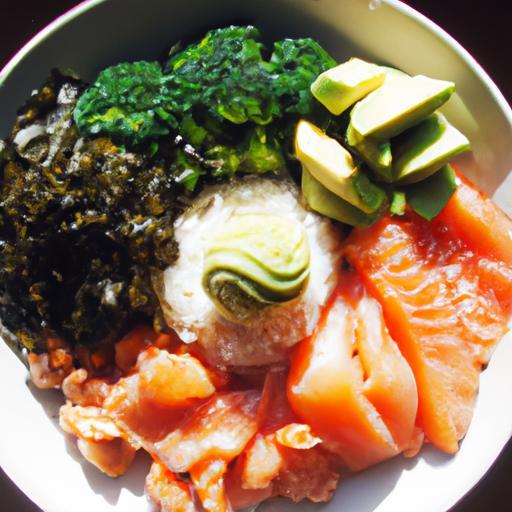
- Assemble the Bowl: Place a generous scoop of fluffy rice at the base of each bowl. Layer with miso tofu, sautéed spinach, tamago strips, and nori. Sprinkle sesame seeds and chopped scallions on top.
- Add a Pickled Element: place a small mound of pickled ginger or a single umeboshi plum on the side to balance savory flavors with tanginess and brighten the palate.
- Optional Garnish: for extra aroma and visual interest, sprinkle a teaspoon of toasted shiso flakes or a drizzle of extra virgin sesame oil over the finished bowl.
Incorporating Seasonal and Regional Variations for a Unique Twist
Take advantage of Japan’s diverse seasons and regions to customize your breakfast bowl. In spring, add fresh bamboo shoots or young fuki greens sautéed with a dash of soy. During autumn, roasted chestnuts or mushrooms bring earthy warmth. Incorporate regional specialties such as Hokkaido’s rich salmon roe or Kyoto’s pickled vegetables for local authenticity. Experimenting with these ingredients lets you celebrate nature’s bounty while keeping your morning meal exciting and vibrant.
Tips for Success
- Rice Perfection: Use freshly cooked rice for the best texture; day-old rice lacks the fluffy consistency essential for a joyful bowl experience.
- Miso Balance: Adjust miso paste quantity according to taste, as it varies widely in saltiness and intensity.
- Egg Care: Cook the tamago gently on medium-low heat to avoid browning, maintaining its delicate, sweet notes.
- Make Ahead: Prepare miso tofu and sautéed spinach the night before; gently rewarm before serving to save time.
- Vegetarian/Vegan Options: replace eggs with seasoned grilled mushrooms or avocado slices, ensuring protein and texture variety.
Serving Suggestions
Present the bowl in a deep ceramic dish to showcase the vibrant layers and colors.Garnish with freshly chopped scallions and a sprinkling of toasted sesame seeds for crunch and aroma. Pair with a cup of hot green tea or matcha for a truly authentic Japanese morning ritual. Encourage diners to mix the bowl slightly before eating to meld the umami flavors and textures.

| Nutrient | Amount per Serving |
|---|---|
| Calories | 350 kcal |
| Protein | 18 g |
| carbohydrates | 40 g |
| Fat | 7 g |
For more inspiration on Japanese home cooking and to dive deeper into the comforting flavors of traditional meals,check out our Japanese Dining Basics article. Also, visit the Just One Cookbook guide to Japanese Breakfast for additional tips and cultural context.
Q&A
Q&A: Start Your Day right: The Art of Japanese Breakfast Bowls
Q1: What makes a Japanese breakfast bowl different from a typical Western breakfast?
A1: Unlike the heavy pastries and sugary cereals often favored in the West, Japanese breakfast bowls offer a harmonious balance of flavors, textures, and nutrients. They emphasize simplicity, freshness, and seasonality-often featuring steamed rice as a comforting base, topped with savory elements like grilled fish, pickled vegetables, miso soup, and a perfectly cooked egg. It’s a mindful, nourishing start that invigorates the body and soul.
Q2: Why is rice so central to Japanese breakfast bowls?
A2: Rice is more than just a staple grain in Japan; it’s a cultural icon and foundation of the diet. Steamed white rice serves as a neutral canvas,allowing other ingredients to shine.Its comforting texture and subtle sweetness provide a grounding effect, making each bite satisfying. Plus, rice offers slow-burning energy, fueling your morning with steady vitality.
Q3: Can you describe the typical components of a traditional Japanese breakfast bowl?
A3: Certainly! A classic bowl usually includes warm steamed rice, a portion of grilled fish (like salmon or mackerel), a raw or softly cooked egg (often served as onsen tamago or tamago kake gohan), pickled vegetables (tsukemono), nori seaweed, and a small side of natto (fermented soybeans) or miso soup. Each element plays a role in delivering umami, crunch, acidity, and protein in an artfully balanced meal.
Q4: How can someone new to Japanese cuisine recreate this breakfast bowl at home?
A4: Start with perfectly steamed rice-short-grain Japanese varieties work best for that sticky, plump texture. Next, add simple seasoned toppings like a soft-boiled egg cracked over the grains, a drizzle of soy sauce, and a sprinkle of furikake for umami.Incorporate easy pickled veggies (or quick pickles made from cucumber or radish) and, if adventurous, try adding grilled salmon flakes or a small scoop of natto. The key is layering flavors gently and thoughtfully.
Q5: Is the japanese breakfast bowl adaptable for different dietary preferences?
A5: Absolutely! While traditional bowls focus on fish and soy, you can swap proteins for plant-based options like tofu or tempeh, add cooked spinach or mushrooms for greens, and use gluten-free tamari instead of soy sauce. The beauty of the Japanese breakfast bowl lies in its flexibility-its principles of balance and mindfulness remain intact nonetheless of the ingredients.
Q6: What health benefits does regularly enjoying a Japanese breakfast bowl offer?
A6: This breakfast helps regulate energy levels with low-glycemic carbs from rice, provides high-quality protein from fish and eggs, and supplies fiber and probiotics through pickles and fermented soy. The combination supports digestion, brain function, and sustained fullness-all starting your day with calm intention and well-rounded nutrition.
Q7: How does the Japanese philosophy of meal preparation influence the breakfast experience?
A7: Japanese food culture values ichiju-sansai (“one soup, three sides”) and wabi-sabi (finding beauty in simplicity and imperfection). This mindset encourages preparing meals that are balanced, seasonally reflective, and aesthetically pleasing without fuss. by embracing these ideals in your breakfast bowl, you cultivate gratitude, presence, and an appreciation for food’s role in wellbeing.
embark on your mornings with the mindful artistry of Japanese breakfast bowls-each spoonful not just a meal but a gentle ceremony welcoming a new day.
In Conclusion
As the morning sun gently spills its light across your table, the art of the Japanese breakfast bowl invites you to pause, nourish, and embrace the day with intention. These humble yet harmonious bowls are more than just a meal-they are a mindful ritual, a balance of flavors and textures that awaken the senses and honor tradition. By starting your day with this carefully crafted blend of simplicity and nourishment, you’re not just fueling your body-you’re cultivating a moment of calm, clarity, and connection. So why not take a leaf from Japan’s kitchen and transform your mornings into a celebration of wholesome beginnings? After all, the way you start your day often sets the tone for everything that follows.