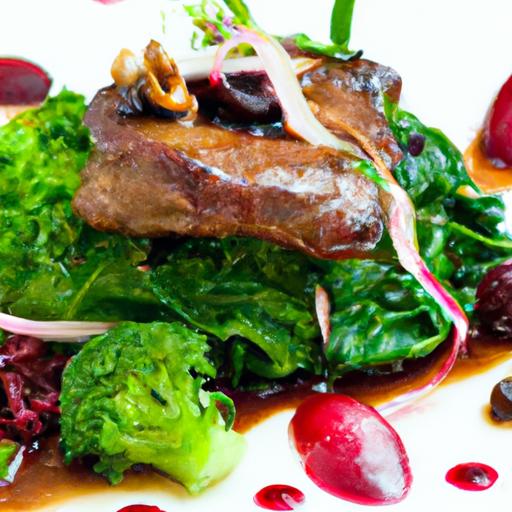


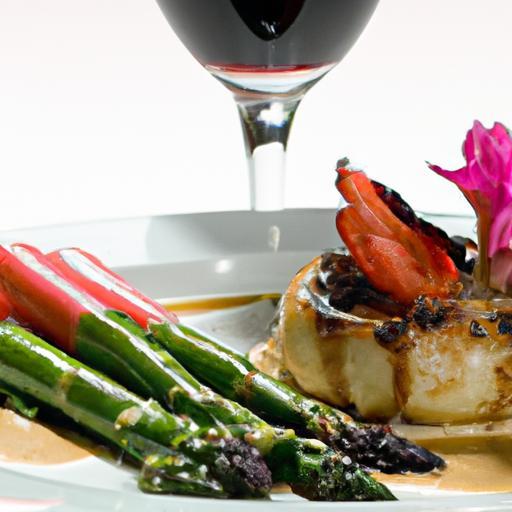
There’s something undeniably magnetic about the deep,glossy sheen of a perfectly crafted red wine reduction,its rich aroma weaving through the kitchen like an edible invitation. Bold and savory, this classic sauce transforms simple dishes into unforgettable culinary experiences, marrying the robust warmth of red wine with the sharp, tantalizing bite of freshly cracked pepper. Mastering this artful balance isn’t just about following a recipe-it’s about understanding the dance of flavors and the alchemy of heat and patience. in this article, we’ll unlock the secrets to crafting a red wine reduction that’s both daring and nuanced, elevating your cooking with every luscious, pepper-kissed drop.
Bold and Savory: Mastering Red Wine Reduction with Pepper
Bold and savory, this red wine reduction with pepper is an exquisite culinary treasure that transforms everyday dishes into memorable experiences.Originating from classical French gastronomy, the technique of reducing wine to a luscious, deeply flavored sauce is a true testament to the art of balancing intense flavors. Pepper plays a starring role hear-not just as a seasoning, but as a dynamic flavor enhancer that unlocks layers of warmth, spice, and aromatic complexity, elevating the sauce’s savory depth with every spoonful.
Prep and Cook Time
Planning: 10 minutes
Cooking: 25 minutes
Total Time: 35 minutes
Yield
Approximately 1 cup of red wine reduction, perfect for 4 servings.
Difficulty Level
Medium – Ideal for home cooks looking to sharpen their sauce-making skills and add sophistication to their dishes.
Ingredients
- 1 ½ cups full-bodied red wine (Cabernet Sauvignon or merlot recommended)
- 1 tablespoon unsalted butter
- 2 teaspoons finely chopped shallots
- 1 teaspoon freshly cracked black pepper (adjust to taste)
- 1 teaspoon whole pink peppercorns, lightly crushed (optional for added aromatic layers)
- 1 tablespoon balsamic vinegar
- 1 teaspoon fresh thyme leaves (or ½ tsp dried thyme)
- Salt to taste
- 1 teaspoon honey or maple syrup (balances acidity, optional)
- ½ cup beef or vegetable stock (low sodium)
Instructions
- Prepare the aromatics: In a medium saucepan over medium heat, melt the butter. Add the shallots and sauté until translucent and soft, about 3 minutes. Stir occasionally to avoid browning.
- Add peppercorns and spices: Stir in the freshly cracked black pepper and crushed pink peppercorns to release their fragrance. Cook for 1 minute,inhaling the complex aromas that begin to build.
- Deglaze with wine: Pour in the red wine and balsamic vinegar, scraping the pan to lift any bits stuck to the bottom.Bring to a gentle boil.
- Reduce heat and simmer: Lower to medium-low and simmer uncovered,stirring occasionally,until the liquid reduces by approximately two-thirds. This typically takes 20 minutes and results in a silky, concentrated reduction.
- Incorporate stock and honey: Add the stock and honey, continuing to simmer and stirring to combine. The sauce should coat the back of a spoon-avoid boiling aggressively to retain silkiness.
- Finish with thyme and seasoning: Stir in the fresh thyme leaves and add salt to taste. Remove from heat and strain if you prefer a smoother texture.
- Mount the sauce: Whisk in a small knob of butter off heat to give the sauce a lustrous shine and a rounder mouthfeel.
- Serve immediately over your choice of roasted meats or vegetables, enjoying the harmonious marriage of spice, acidity, and savory richness.
Chef’s Notes: Tips for success
- Wine choice matters: opt for a bold, fruity red wine with good acidity. Avoid inexpensive wines with overpowering bitterness.
- Control your pepper: Freshly cracked black pepper yields the best flavor; adjust the quantity according to heat preference. For a floral nuance, try pink or Szechuan peppercorns.
- Don’t rush the reduction: Low and slow simmering ensures flavors concentrate without bitterness. Patience is key!
- Make ahead: Prepare the reduction a day ahead and reheat gently on the stove, whisking in butter before serving.
- Variations: Swap thyme for rosemary or sage for a different herbal note; add a splash of cream for a richer sauce.
- Thickening: If you prefer a thicker sauce, whisk in a cornstarch slurry (1 tsp cornstarch mixed with 1 tbsp cold water) during the final simmer.
Serving Suggestions
Pair this pepper-infused red wine reduction with robust dishes like pan-seared ribeye, venison medallions, or roasted portobello mushrooms.Drizzle generously to create an irresistible gloss and depth. Garnish with a sprig of fresh thyme or a light dusting of cracked black pepper for visual drama and added aroma.For an elevated presentation, accompany with creamy mashed potatoes or rustic roasted vegetables to balance the bold sauce.

The Role of Pepper in a Perfect Red Wine Reduction
The addition of pepper is transformative, enhancing the wine’s fruitiness while layering a warm, pungent kick that harmonizes beautifully with the sauce’s acidity and slight sweetness.The peppercorns act as tiny flavor bombs, releasing oils that deepen the reduction’s complexity. When perfectly balanced, the result is a sauce that sings on the palate-bold, savory, and irresistibly memorable.
pairing Recommendations
Thanks to its rich and peppery profile, this red wine reduction complements full-flavored mains effortlessly. Consider pairing it with:
- Red meats like ribeye, lamb chops, or beef tenderloin
- Game meats, such as duck breast or venison, for a rustic twist
- Hearty, grilled vegetables like eggplant or portobello mushrooms
- Cheese boards featuring pungent blues or aged cheddars
For beverages, enjoy with the same type of red wine used in the sauce to maintain flavor unity.
| Nutrient | Per 2 Tbsp serving |
|---|---|
| Calories | 45 |
| Protein | 0.1g |
| carbohydrates | 4.5g |
| Fat | 2.8g |
Explore pairing ideas and sauce variations further by visiting our Guide to Classic Sauces and learn more about pepper’s culinary magic at Encyclopaedia Britannica.
Q&A
Q&A: Bold and Savory – Mastering Red wine Reduction with Pepper
Q1: what makes a red wine reduction with pepper so special in cooking?
A1: A red wine reduction with pepper is a culinary symphony-a bold, savory sauce that brings depth and warmth to any dish. The wine’s rich, fruity acidity gracefully balances the pepper’s pungent heat, while the slow reduction concentrates flavors into a velvety, intense glaze that elevates meats, vegetables, and even hearty grains.
Q2: Why choose pepper as the spice companion in this sauce?
A2: Pepper is the perfect partner because it adds a dynamic kick without overpowering the wine’s complexity. Whether you opt for black, pink, green, or a mix, each peppercorn variety contributes nuanced layers-earthy, floral, or sharp-heightening the sauce’s aromatic profile and delivering that signature peppery zing that dances on the palate.
Q3: Can any red wine be used for the reduction?
A3: While technically yes,the best results come from dry,medium-bodied red wines like Pinot Noir,Merlot,or cabernet Sauvignon. These wines offer the right balance of tannins and acidity, which reduce beautifully to yield a luscious sauce without becoming bitter or too sweet.Avoid cooking wines or overly oaky bottles-they can muddy the flavor.
Q4: What’s the essential technique to mastering this reduction?
A4: Patience is your secret weapon. Begin by gently simmering the wine with freshly crushed peppercorns and aromatics (like shallots or garlic). The key is slow evaporation-allowing the liquid to reduce by at least half,concentrating flavors without scorching. Stirring occasionally and tasting as you go ensures a perfectly balanced, silky finish.
Q5: How can I make the sauce more complex or tailored to my taste?
A5: Layering is everything. try adding a splash of balsamic vinegar for subtle sweetness, a knob of butter at the end for richness, or fresh herbs like thyme or rosemary to deepen the earthiness. For a smoky twist, a dash of smoked paprika or a hint of chili flakes can complement the pepper’s heat beautifully.Q6: What dishes pair best with a bold red wine and pepper reduction?
A6: Think hearty and robust: seared steaks,roasted duck,grilled lamb chops,or even a pan-fried pork tenderloin. But don’t neglect vegetarian options-roasted mushrooms, caramelized root vegetables, or a grilled polenta cake can shine under the sauce’s savory umbrella, transforming simple ingredients into a gourmet experience.
Q7: Any tips for storing or reheating leftovers?
A7: Red wine reduction sauces keep well in the fridge for up to three days. reheat gently over low heat to avoid breaking the emulsion or burning. If the sauce thickens too much, loosen it with a splash of stock or water. With a little care,you can savor that bold,peppery goodness again and again.
Mastering red wine reduction with pepper isn’t just cooking-a journey into bold, savory elegance. With a little technique and creative flair, your next meal can be an unforgettable celebration of flavor. Cheers to sauce mastery!
Future Outlook
As the rich aroma of a perfectly crafted red wine reduction with pepper lingers in the air, you realize that mastering this bold and savory sauce is more than just a culinary skill-it’s an art form that elevates any dish from simple to breathtaking. By embracing the dance of acidity, sweetness, and the subtle bite of pepper, you unlock layers of flavor that tantalize the palate and ignite the senses. Whether drizzled over a succulent steak, roasted vegetables, or a hearty mushroom medley, this sauce promises depth, warmth, and a touch of sophistication. So next time you reach for that bottle of red, remember: with patience and a pinch of daring, you have the power to transform your meals into unforgettable experiences. Cheers to bold flavors and the savory journey ahead!