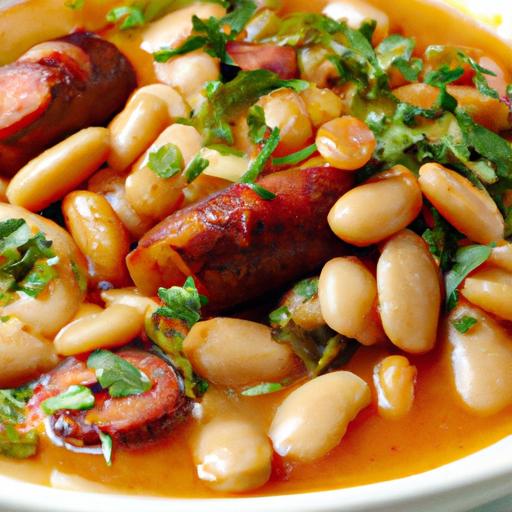


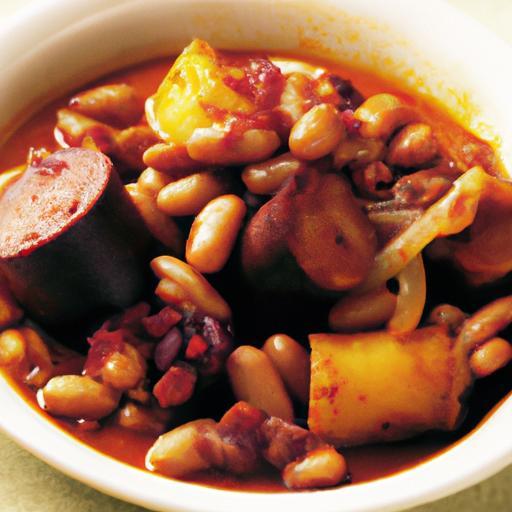
Nestled in the verdant hills of northern Spain, the region of Asturias boasts a culinary treasure that warms both heart and soul: Fabada Asturiana. This iconic stew, brimming with tender beans, smoky chorizo, and rich pork, is more than just a meal-it’s a hearty celebration of Spanish tradition and rustic comfort. In every spoonful of fabada Asturiana, centuries of history, culture, and craftsmanship simmer together, inviting food lovers to experience a genuine taste of asturias’ enduring heritage. Join us as we delve into the origins, ingredients, and unique flavors that make this dish a beloved emblem of Spain’s gastronomic tapestry.
Spanish Fabada Asturiana is a culinary treasure that embodies the soul of Asturias, a lush region in northern Spain. Known for its rich, smoky aroma and velvety texture, this hearty bean stew has warmed countless tables throughout history. My first encounter with Fabada Asturiana was during a chilly autumn evening in Oviedo; the comforting blend of flavors instantly transported me to a rustic Asturian kitchen, where tradition is savored in every bite.
Prep and Cook time
- Preparation Time: 20 minutes
- Cooking Time: 3 hours 30 minutes (including soaking and simmering)
Yield
Serves 6 generous portions
Difficulty Level
Medium – Requires patience and attention to detail, but the results are well worth the effort.
Key Ingredients That Define the authentic Flavors
- 500g dried large white fabes (Asturian beans) – the creaminess of these beans is foundational.
- 200g chorizo, sliced – smoky and slightly spicy, adds essential depth.
- 200g morcilla (blood sausage), sliced – rich and velvety, rounding out the flavor profile.
- 150g pancetta or pork belly – imparts luscious fattiness and umami.
- 1 onion,peeled and studded with 3 cloves – for subtle aromatic layers.
- 2 garlic cloves, crushed – fragrant and inviting.
- 1 tsp smoked paprika (pimentón) – the smoky heart of Spanish cuisine.
- Extra virgin olive oil – balances richness with a fruity finish.
- Salt and freshly ground black pepper – seasoning to taste.
- Water – slow cooking medium to transform ingredients into a luscious stew.
Step-by-Step Guide to perfecting Yoru own Fabada at Home
- Soak the fabes overnight: Place the dried beans in a large bowl with cold water, covering by at least three inches. Let soak for 8-12 hours to soften, then drain and rinse thoroughly.
- Prepare the flavor base: In a heavy-bottomed casserole or conventional clay pot, lightly brown the pancetta over medium heat until golden and fragrant. Remove and set aside.
- Sauté aromatics: In the same pot, add a splash of olive oil and gently cook the onion studded with cloves and the crushed garlic until softened and translucent, about 5 minutes; avoid browning.
- Combine ingredients: Add the soaked fabes, pancetta, sliced chorizo, and morcilla to the pot. Pour in enough cold water to cover by 2 inches.
- Season and enhance: Stir in the smoked paprika, and season lightly with salt (adjust at the end to avoid over-salting).
- Simmer gently: Bring to a gentle boil, then reduce heat to a low simmer. Partially cover the pot and let it cook slowly for 3 to 3.5 hours, stirring occasionally to prevent sticking.Add hot water as needed to maintain the stew consistency.
- Check texture and seasoning: The fabes shoudl be tender and creamy. Adjust salt and pepper. Remove the onion studded with cloves before serving.
- Rest the stew: Allow the fabada to rest covered off the heat for 15 minutes to deepen the flavors before serving.
chef’s Notes and Tips for Success
- Bean choice: Using authentic fabes de la Granja is ideal. If unavailable, large white beans like cannellini or baby lima beans work well but may alter texture slightly.
- Slow and low: The secret to velvety fabada is slow simmering. Resist boiling to keep the beans intact and creamy.
- Make ahead: Fabada Asturiana tastes even better the next day once the flavors marry perfectly. Gently reheat over low heat, adding a splash of water if needed.
- Vegetarian option: For a plant-based version, omit the meats and substitute smoked paprika with a dash of liquid smoke and smoked tofu cubes.
- Controlling richness: Skim excess fat from the surface after cooking for a lighter finish, if preferred.
Pairing Suggestions to Enhance the Traditional Experience
Serve Fabada Asturiana with thick rustic bread to soak up its luscious broth. A crisp, dry Spanish cider (sidra) from Asturias offers a refreshing counterpoint to the stew’s richness, brightening the palate. For wine lovers, opt for a medium-bodied red such as a Rioja Crianza or a Garnacha, whose bright berry notes and silky tannins complement the smoky, savory depths.A simple green salad with a sherry vinaigrette cuts through the dish’s robust texture elegantly.

| Nutritional Info (per serving) | Amount |
|---|---|
| Calories | 520 kcal |
| Protein | 32 g |
| Carbohydrates | 40 g |
| Fat | 22 g |
For more about traditional Spanish dishes that pair beautifully with Fabada Asturiana, check out our guide to popular Spanish tapas. To deepen your knowledge of Asturias’ rich culinary heritage, visit the official Spain tourism gastronomy page.
Q&A
Q&A: Spanish Fabada Asturiana – A Hearty Taste of Tradition
Q: What exactly is Fabada Asturiana?
A: Fabada Asturiana is a traditional Spanish stew hailing from the Asturias region in northern Spain. it’s a rich, warming dish made primarily with fabes de la Granja-large, buttery white beans-paired with an array of flavorful pork products like chorizo, morcilla (blood sausage), and pancetta. This stew is the embodiment of the heart and soul of Asturian home cooking.
Q: How did Fabada Asturiana become such an iconic dish?
A: Fabada’s roots stretch back to humble beginnings as a peasant meal designed to fuel hard-working farmers through chilly days. Over time, the dish blossomed from simple sustenance to a symbol of Asturian culinary identity, celebrated for its comforting flavors and hearty nature. Its slow-cooked magic draws out depth and richness, making it a beloved winter staple across Spain.
Q: What sets Fabada Asturiana apart from other bean stews?
A: While bean stews exist in many cultures, fabada stands apart due to its star ingredient-fabes, a soft, creamy bean unique to Asturias-and the use of traditional smoked pork products like chorizo and morcilla that infuse the dish with smoky, spicy, and savory notes. The slow simmering melds these elements into a luscious, velvety broth that’s distinctively Asturian.
Q: Can you describe the traditional cooking process?
A: Patience is key. The process begins by soaking the fabes overnight, softening them to perfection. Then, they’re gently simmered with the pork meats and spices-typically saffron and paprika-over low heat for several hours. This careful,unhurried cooking allows flavors to deepen and the broth to thicken,creating a sumptuous stew that’s worth every minute.
Q: Is Fabada Asturiana typically served with anything?
A: Yes! Fabada is traditionally served hot, often as a main course during lunch-the biggest meal of the day in Spain. It’s usually accompanied by crusty country bread to soak up the luscious broth and sometimes paired with a glass of robust red wine or the local cider, sidra, for an authentic Asturian experience.Q: Is Fabada Asturiana suitable for vegetarian or vegan diets?
A: Classic Fabada Asturiana relies heavily on pork products,so it isn’t vegetarian or vegan. Though, modern interpretations exist where mushrooms, smoked paprika, and rich vegetable broths replace the meat, offering a plant-based homage to the original’s hearty essence-though purists may argue the soul of Fabada lives in its porky roots!
Q: Where can one try authentic Fabada Asturiana outside of Asturias?
A: Many Spanish restaurants around the world, especially those devoted to regional cuisines, offer Fabada Asturiana on their menus during cooler months. Seeking out specialty Spanish grocery stores for ingredients and trying your hand at cooking it at home can also bring a taste of Asturias into your kitchen wherever you are.
Q: Why is Fabada Asturiana considered a timeless comfort food?
A: there’s something deeply satisfying about a bowl of fabada-a marriage of creamy beans, smoky meats, and spices that warms the body and soul. It carries the whispers of centuries-old traditions, family recipes passed down with love, and a connection to the rugged, lush landscapes of Asturias. Eating Fabada is like taking a comforting bite of history itself.
In Retrospect
In the rich tapestry of Spanish cuisine,fabada Asturiana stands out as a hearty emblem of tradition and regional pride. This beloved stew, with its slow-cooked beans, smoky chorizo, and savory morcilla, invites not just a meal but an experience-a warm embrace from the rugged mountains of Asturias to your table. Whether you’re savoring it on a chilly evening or exploring Spain’s culinary heritage from afar, Fabada’s hearty flavors tell a story of history, community, and comfort. Embracing this dish is more than tasting food; it’s tasting the soul of a culture that cherishes its roots and celebrates its simple, robust pleasures. So, next time you’re craving a taste of Spain’s culinary heart, let fabada Asturiana remind you that some traditions are meant to be savored, spoonful by soul-soothing spoonful.