

In the vibrant tapestry of Indian cuisine, few dishes capture the essence of comfort and culture quite like poha. This humble yet delightful readiness of flattened rice has journeyed through generations,weaving together flavors that are both simple and refined. “Poha Unveiled: The Perfect Blend of Taste and Tradition” invites you to explore the story behind this iconic dish-its regional variations, timeless appeal, and the subtle artistry that transforms everyday ingredients into a beloved culinary treasure. Join us as we unravel the secrets of poha, celebrating a dish that is much more than food; it’s a savory symbol of heritage and heart.
Poha, a beloved staple in many Indian households, embodies the perfect blend of taste and tradition, inviting food lovers to savor its delicate, fluffy texture coupled with vibrant flavors. This versatile dish,made from flattened rice,holds a warm place in India’s culinary heritage-celebrated as a wholesome breakfast or light meal that is wholesome,quick,and deeply satisfying.
Prep and Cook Time
- Preparation: 10 minutes
- Cooking: 15 minutes
- Total Time: 25 minutes
Yield
- Serves 4 hearty portions
Difficulty level
- Easy
Ingredients
- 2 cups flattened rice (poha), rinsed and drained
- 1 tablespoon oil (preferably mustard or vegetable oil)
- 1 teaspoon mustard seeds
- 1 teaspoon cumin seeds
- 1-2 green chilies, finely chopped (adjust to taste)
- 1 medium onion, finely chopped
- 8-10 curry leaves
- 1/2 cup green peas (fresh or frozen)
- 1/2 teaspoon turmeric powder
- 1 teaspoon sugar (optional)
- Salt to taste
- 1 tablespoon lemon juice
- 1/4 cup roasted peanuts (for crunch)
- Fresh coriander leaves, chopped for garnish
- Grated coconut (optional garnish)
Instructions
- Prepare the poha: place the rinsed poha in a large bowl. Sprinkle a little salt and gently fluff it with your fingers to separate the grains. Set aside for 10 minutes to soften.
- Temper the spices: Heat oil in a pan over medium heat. Add mustard seeds and wait for them to pop, then add cumin seeds and curry leaves. Sauté the spices until fragrant, about 30 seconds.
- Sauté aromatics: Add finely chopped onions and green chilies. Fry until the onions turn translucent and slightly golden, about 5 minutes.
- Add peas and turmeric: Stir in the peas and turmeric powder. Cook for 3-4 minutes until peas turn tender but retain their bright green hue.
- Combine with poha: Lower the heat and gently fold in the softened poha. Sprinkle sugar if desired and adjust salt to taste.
- Steam briefly: Cover the pan with a lid and allow the poha to steam on very low heat for 3-4 minutes, ensuring it becomes fluffy without drying out.
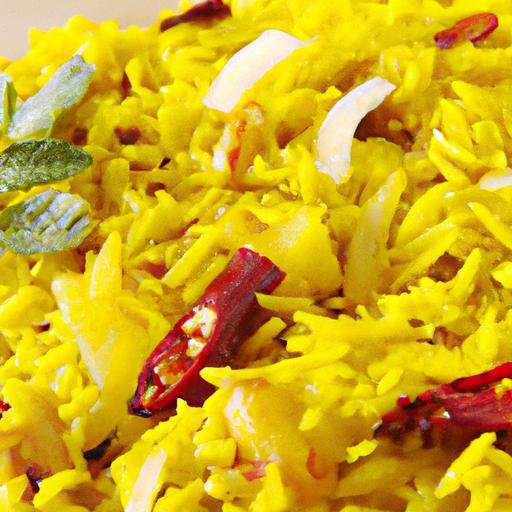
- Finish with freshness: Remove from heat and mix in lemon juice. Garnish with roasted peanuts, fresh coriander, and grated coconut for layers of texture and aromatic flair.
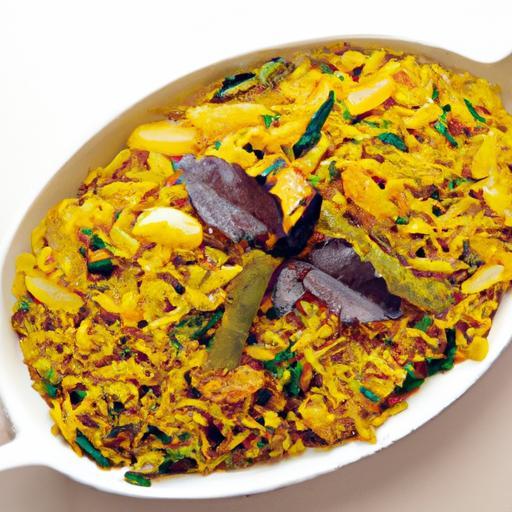
- Serve warm: Transfer immediately to a serving dish for the best flavor and fluffiness experience.
Tips for Success
- Avoid over-soaking poha: Rinsing it briefly and draining well keeps the grains separate and light.
- customize textures: Add finely diced potatoes or carrots for extra heartiness and color.
- Balance flavor: Lemon juice always brightens the dish-add more gradually until desired tartness.
- Make ahead: Prepare the tempering in advance and combine with poha just before serving to retain freshness.
- Experiment regionally: Try finishing with grated jaggery or dry fruits to echo Maharashtrian or Gujarati nuances.
Serving Suggestions
the ultimate poha experience comes alive when plated elegantly with thoughtful garnishes. Present it with a wedge of lemon on the side,and a dollop of sweet or spicy chutney such as coriander or tamarind for an added zing. A cup of hot masala chai complements this dish perfectly, enhancing the warmth and soul of your meal. For a festive touch,sprinkle freshly grated coconut and crushed peanuts atop,creating delightful bursts of texture and nuttiness with every bite.

| Nutrient | Per Serving |
|---|---|
| Calories | 220 kcal |
| Protein | 5 g |
| carbohydrates | 38 g |
| Fat | 6 g |
Don’t miss exploring Khandvi, another vibrant dish showcasing the diversity in Indian breakfast traditions. For more on the cultural origins of poha,visit Britannica for trusted insights.
Q&A
Q&A: Poha unveiled – The Perfect Blend of Taste and Tradition
Q1: What exactly is Poha, and why is it so beloved across India?
A1: Poha is a light, flattened rice dish that’s been a breakfast staple in many Indian households for generations. Its appeal lies in its simplicity-soft, airy flattened rice cooked with mustard seeds, curry leaves, turmeric, and often garnished with peanuts and fresh coriander. This humble dish embodies comfort and tradition, making it beloved for its ease of preparation and nostalgic flavors.
Q2: Were did Poha originate, and how has it evolved over time?
A2: Poha’s roots trace back to central and western India, especially the states of Maharashtra and Madhya Pradesh.Originally a quick,nourishing meal for farmers and travelers,it has evolved into countless regional variations. From the spicy Kanda Poha of Maharashtra to the sweeter versions in Gujarat, it reflects the diverse culinary heritage of the Indian subcontinent while maintaining its core identity.
Q3: What makes Poha more than just a simple rice dish?
A3: Beyond its ingredient list, Poha is a cultural emblem. It’s often associated with morning rituals, festivals, and familial bonding. The act of preparing Poha-tempering spices, soaking the flattened rice just right-is a sensory experience steeped in tradition. Nutritionally, it balances carbs with proteins and fibers (thanks to peanuts and vegetables), making it both wholesome and satisfying.
Q4: How do regional variations impact the taste and texture of Poha?
A4: Each region adds its own flair-some use potatoes or peas for added texture, others sprinkle a touch of sugar or lemon juice for a subtle tang.The South Indian version might incorporate grated coconut, while in Gujarat, sweet and savory notes coexist harmoniously. These nuances transform Poha from a simple dish into a canvas showcasing regional tastes and seasonal ingredients.
Q5: Can Poha be adapted to fit modern dietary preferences?
A5: Absolutely! Poha is incredibly versatile. It can be made vegan or gluten-free (since flattened rice is naturally gluten-free), and you can boost its nutritional profile by adding assorted veggies, sprouts, or even paneer. For those mindful of calories, Poha’s light nature is ideal, and swapping out oil types or controlling spice levels makes it accessible for all palates.Q6: Why should someone unfamiliar with Indian cuisine try Poha?
A6: Poha offers a flavorful gateway into Indian flavors without overwhelming heat or complexity. It’s comforting yet vibrant,showcasing how traditional ingredients can come together in harmony. For the adventurous eater seeking authentic tastes steeped in history,poha is an invitation to experience India’s culinary soul-one spoonful at a time.
Q7: What’s the secret to making the perfect poha at home?
A7: The secret lies in balance-soaking the flattened rice just enough to be soft but not mushy, tempering the spices to release their aroma, and ensuring every grain is coated evenly. Fresh ingredients like curry leaves and mustard seeds add layers of flavor, while a squeeze of lemon at the end brightens the dish. Patience and love are the final, essential ingredients that truly make Poha sing.
In Summary
As the sun rises over kitchens across the region, Poha continues to weave its magic-effortlessly blending simplicity with soulful tradition. This humble dish, rich in history and flavor, invites us to savor not just a meal, but a story passed down through generations. Whether enjoyed as a quick breakfast or a comforting snack, Poha stands as a testament to how taste and heritage can come together on a single plate. So next time you tuck into this golden, fragrant delight, remember-you’re not just eating food; you’re partaking in a timeless festivity of culture and community.