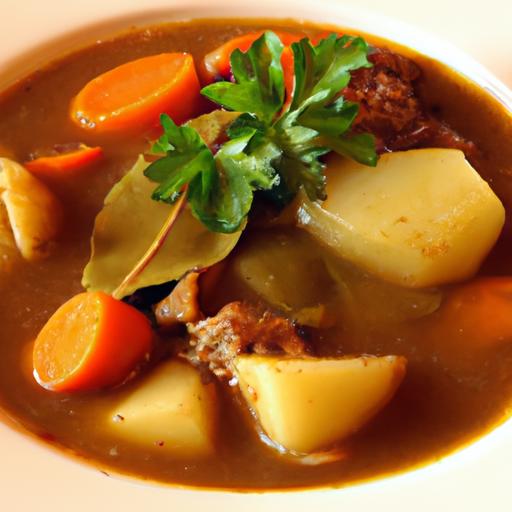


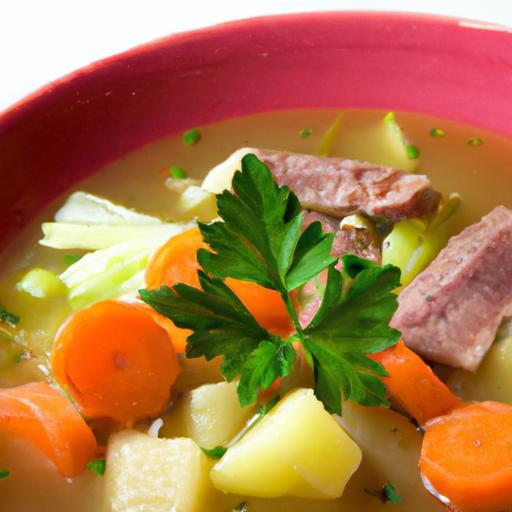
When chilly winds start to whistle outside and the days grow shorter, there’s nothing quite like the warm embrace of a steaming bowl of soup to soothe the soul.enter Hearty Beef & root Vegetable Soup-a timeless winter classic that marries tender chunks of savory beef with an earthy medley of root vegetables,simmered slowly to unlock layers of deep,comforting flavor.This nourishing bowl not only satisfies hunger but also evokes a sense of home and hearth, making it the perfect companion for frosty evenings and cozy gatherings. Join us as we explore the origins, ingredients, and simple secrets behind crafting this beloved dish that has warmed hearts and homes for generations.
Hearty beef & root vegetable soup invites you into a world of comforting warmth and rustic flavors, perfect for those chilly winter evenings. Selecting the right cuts of beef sets the foundation for this soul-soothing dish, where rich marbling and connective tissue transform into tender morsels infused with deep beefy essence. Paired with a harmonious blend of seasonal root vegetables, each spoonful delivers layers of natural sweetness and earthiness, elevated by the magic of slow simmering.
Prep and Cook Time
- Preparation: 25 minutes
- Cook Time: 3 hours 30 minutes
- Total Time: 3 hours 55 minutes
Yield
- serves 6 hearty portions
Difficulty Level
- Medium - Requires patience but yields incredible depth of flavor
ingredients
- 2 lbs chuck roast, cut into 1-inch cubes
- 1 tbsp vegetable oil
- 1 large onion, finely chopped
- 3 cloves garlic, minced
- 2 large carrots, peeled and diced
- 2 parsnips, peeled and diced
- 1 large celery stalk, sliced
- 2 medium potatoes, peeled and cubed
- 1 small rutabaga, peeled and diced
- 6 cups beef broth (preferably homemade or low sodium)
- 1 cup dry red wine (optional, but adds richness)
- 2 sprigs fresh thyme
- 2 bay leaves
- salt and freshly ground black pepper, to taste
- 2 tbsp tomato paste
- Fresh parsley, chopped for garnish
Instructions
- Prepare the beef: Pat the chuck roast cubes dry with paper towels to ensure a rich sear. Heat vegetable oil in a heavy-bottomed pot over medium-high heat. Add beef in batches, avoiding overcrowding, and sear until deeply browned on all sides, about 4-5 minutes per batch.Remove and set aside.
- Sauté aromatics: In the same pot, reduce heat to medium and add onions. Cook until softened and lightly caramelized, about 6-7 minutes. Stir in garlic and tomato paste, cooking for another 1 minute until fragrant.
- Deglaze and build flavor: Pour in the red wine, scraping the browned bits (fond) from the bottom with a wooden spoon. Let it reduce for 3-4 minutes, concentrating the wine’s flavor and sweetness.
- Add vegetables and herbs: Return the seared beef to the pot, then add carrots, parsnips, celery, rutabaga, and potatoes. Pour in beef broth and tuck in thyme sprigs and bay leaves.Season generously with salt and pepper.
- bring to a gentle simmer: Increase heat just until the liquid begins to bubble. Reduce heat to low, cover partially, and let it simmer slowly for 3 hours. Stir occasionally, skimming any foam or fat that rises to the surface for a cleaner broth.
- Check tenderness and adjust: after 3 hours, test the beef and vegetables for tenderness. They should be fork-tender, with broth thickened slightly. Remove herb sprigs and bay leaves.
- Final seasoning: Taste and adjust salt, pepper, or add a splash of vinegar or lemon juice for brightness if desired. For a thicker soup, mash a few potato cubes against the side of the pot and stir.
- Serve: Ladle into bowls and garnish with freshly chopped parsley. A crusty slice of rustic bread or a sprinkle of grated aged cheddar complements perfectly.
Chef’s Notes: Tips for Success
- Cut choice matters: Chuck roast is ideal becuase its fat and connective tissue melt during the slow simmer, enriching the broth. Avoid lean steaks that become tough.
- Season root vegetables mindfully: Use seasonal selections like rutabaga, parsnips, and carrots for natural sweetness and variety. Swap in turnips or sweet potatoes as desired.
- Slow-simmer with patience: Resist the urge to rush.Low and slow heat unlocks the tenderness and layers of aroma that define this beef & root vegetable soup.
- Make-ahead magic: This soup tastes even better the next day as flavors meld. Refrigerate for up to 3 days or freeze portions for later enjoyment.
- Customization: To suit every palate,experiment with adding fennel for a subtle licorice note or a pinch of smoked paprika for warmth and depth.
Serving Suggestions
- Serve steaming in deep bowls, each garnished with a sprinkle of fresh parsley or thyme leaves for a pop of color.
- Complement with a crusty sourdough or multigrain bread to soak up the luscious broth.
- Add a dollop of crème fraîche or sour cream if you enjoy a creamy contrast.
- for an elegant touch, finish with a drizzle of good-quality extra virgin olive oil or a few dashes of balsamic glaze.
| Nutrient | Per serving |
|---|---|
| Calories | 350 kcal |
| Protein | 32 g |
| Carbohydrates | 20 g |
| Fat | 15 g |

Choosing the Perfect Cuts of Beef for Deep Flavor
When embarking on the journey to create this hearty beef & root vegetable soup, picking the perfect cut is essential to unlocking its full potential. Chuck roast, known for its marbling and rich connective tissue, gently softens over hours of slow simmering, releasing gelatin into the broth that lends incredible body and mouthfeel. This cut transforms simple ingredients into a deeply satisfying experience,making every bite melt-in-your-mouth tender.
Unlocking the Richness of Seasonal Root Vegetables
Seasonal root vegetables are the unsung heroes in this soup. Carrots add subtle sweetness, parsnips contribute a honeyed nuance, while rutabaga and turnips bring earthiness and complexity.These firm-textured veggies stand up beautifully to slow cooking without falling apart. Their natural sugars caramelize on the edges during the sauté phase, enriching the broth with nuanced layers of flavor and color.
Mastering the Slow Simmer Technique for tenderness and Aroma
Patience is a chef’s best friend when crafting a dish like this. Bringing your soup to a slow, gentle simmer and maintaining it for several hours allows tough beef fibers to break down steadily, creating soft, aromatic meat and thick, luscious broth. Avoid boiling – high heat toughens proteins and clarifies the broth too quickly, robbing you of its soul-warming complexity. A partially covered pot encourages evaporation, concentrating flavors without drying out your ingredients.
Tips for Customizing Your Soup to Suit every Palate
The beauty of hearty beef & root vegetable soup lies in its versatility. For a gluten-free version,ensure your broth contains no wheat additives. Vegetables can be tailored – sweet potatoes add warmth,while celery root lends a subtle bite. Spice lovers might enjoy a pinch of smoked chili flakes or a swirl of harissa for heat. For a vegetarian twist, replace beef with slow-roasted mushrooms and vegetable stock but keep the root veggies for the same satisfying texture and taste.
For a deeper dive into slow-cooked recipes, check out our Slow Cooker Beef Stew guide, perfect for busy days when you want hands-off comfort.
Learn more about selecting beef cuts from Beef. It’s What’s For Dinner for expert advice on choosing your ideal meat.
Q&A
Q&A: hearty Beef & Root Vegetable Soup – A Cozy Winter Classic
Q1: What makes Hearty Beef & Root Vegetable Soup the ultimate winter comfort food?
A1: This soup is the embodiment of warmth and nourishment. The tender, slow-cooked beef melds beautifully with earthy root vegetables like carrots, parsnips, and potatoes, creating a rich, savory broth that feels like a warm hug on a chilly day. Its depth of flavor and hearty texture make it perfect for sustaining you through the coldest months.Q2: Which root vegetables work best in this classic soup?
A2: Customary root veggies like carrots, parsnips, turnips, and potatoes are the stars hear. Their natural sweetness and robust texture hold up well during slow simmering, adding layers of flavor and satisfying substance. You can also experiment with rutabagas or celery root for an extra earthy twist.
Q3: How does the cooking method influence the soup’s flavor?
A3: Slow simmering is key. Gently cooking the beef and vegetables over low heat allows the flavors to develop fully. The beef becomes tender and melts into the broth, infusing it with a rich, meaty depth, while the vegetables soften without losing their integrity. This gradual melding creates a complex, comforting taste that quick methods simply can’t replicate.
Q4: Can this soup be adapted for special diets or preferences?
A4: Absolutely! For a lighter take, use lean beef cuts and reduce salt. You can swap beef with plant-based proteins like mushrooms or lentils to create a vegetarian variation. Root vegetables provide ample heartiness, so the soup remains satisfying. Gluten-free? Simply skip any flour-based thickeners or use gluten-free alternatives.
Q5: What are some tips for serving and enjoying this soup?
A5: Serve it steaming hot with crusty bread or buttered rolls to soak up every last drop. A sprinkle of fresh herbs like parsley or thyme adds brightness, while a dollop of sour cream or a few shavings of sharp cheese can introduce a creamy contrast. Pair it with a robust red wine or a spiced cider to complete your cozy winter meal.
Q6: Why has Hearty Beef & Root Vegetable Soup stood the test of time as a winter classic?
A6: Because it nourishes both body and soul. root vegetables remind us of the earth’s quiet resilience, while beef provides sustenance that fuels our energy through long, cold days. This soup is simple yet deeply satisfying-a culinary tradition passed down through generations to bring comfort when it’s needed most.
To Wrap it Up
As the winter winds howl outside, there’s something undeniably comforting about a steaming bowl of Hearty Beef & Root Vegetable Soup. This cozy classic not only warms the body but also nourishes the soul, blending tender cuts of beef with the earthy sweetness of root vegetables in a rich, savory broth. whether served after a day in the cold or enjoyed by the fireside with loved ones,this soup embodies the essence of winter’s comfort. So next time the temperature drops, remember: a pot of this wholesome soup is more than just a meal-it’s a warm embrace in a bowl.