

Step inside the sardine bowl-a world where space is scarce, pressure is palpable, and every movement ripples through a tightly packed crowd. Frequently enough used as a metaphor for cramped conditions, the sardine bowl is much more than just a vivid expression.It’s a captivating phenomenon that reveals stories about human behavior, urban design, and even cultural dynamics. In this article, we embark on a close-up journey to unpack the layers of the sardine bowl, exploring what truly happens when individuals find themselves packed shoulder to shoulder. Prepare to see this everyday scenario from a fresh, insightful viewpoint that goes beyond the squeeze.
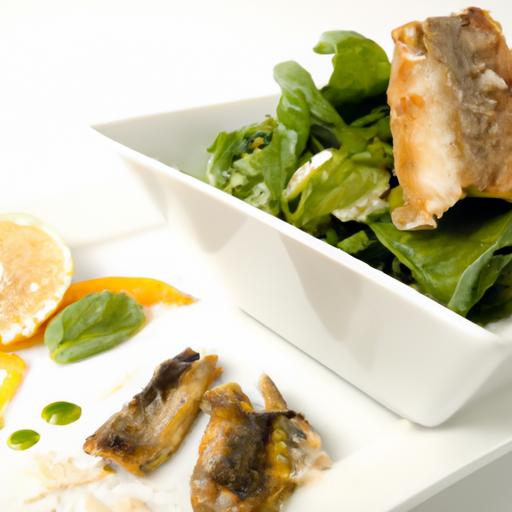
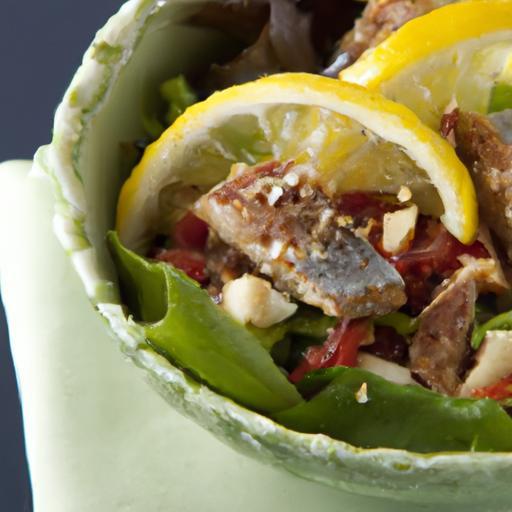
Unpacking the Sardine Bowl reveals a captivating journey into a dish that is much more than a simple seafood entree. Rooted deeply in coastal traditions, the sardine bowl combines rustic charm with the nutritional bounty of small oily fish, celebrated not only for its rich flavor but also for its vital role in sustaining local economies and communities.This post will guide you through the intricate features and cultural significance behind this dish, while inspiring you to create an authentic, enduring version in your own kitchen.
Prep and Cook Time
- Planning: 15 minutes
- Cooking: 20 minutes
- Total Time: 35 minutes
Yield
Serves 4
Difficulty Level
Medium
Ingredients
- 500g fresh sardines, cleaned and gutted
- 3 tablespoons extra virgin olive oil
- 1 medium shallot, finely sliced
- 2 garlic cloves, minced
- 1 lemon, zested and juiced
- ½ cup dry white wine
- 1 teaspoon smoked paprika
- 1 cup cherry tomatoes, halved
- Fresh parsley, chopped, for garnish
- Salt and freshly ground black pepper, to taste
- Crusty bread (for serving)
Instructions
- Prepare the sardines: Rinse the sardines gently under cold water and pat dry with paper towels. Set aside.
- Sauté aromatics: Heat olive oil in a wide skillet over medium heat. Add shallots and cook for 2 minutes until translucent. Stir in garlic and cook an additional 30 seconds to release fragrance.
- Add tomatoes and spices: Toss in cherry tomatoes and smoked paprika. Sauté for 4-5 minutes until tomatoes begin to soften, stirring occasionally to meld flavors.
- Deglaze the pan: Pour white wine and lemon juice into the skillet,scraping bottom gently to incorporate all caramelized bits. Simmer for 3 minutes until the liquid reduces slightly.
- Cook sardines: Carefully lay sardines in a single layer atop the tomato mixture. Season with salt and pepper. Cover the skillet loosely and cook for 8-10 minutes, allowing sardines to steam gently and absorb the aromatic sauce.
- Finish and garnish: Remove skillet from heat. Sprinkle lemon zest and chopped parsley over the sardines for a vibrant,fresh finish.
- Serve: Spoon sardines and sauce into warm shallow bowls. Accompany with slices of crusty bread to soak up every flavorful drop.
Chef’s Notes: Tips for Success
- Choose fresh sardines: Look for firm flesh and bright eyes to ensure quality and flavor.
- Adapt spice level: Add a pinch of chili flakes if you prefer a spicy kick.
- Make-ahead option: The tomato base can be prepared a day in advance to deepen flavors.
- Substitutions: If fresh sardines are unavailable, canned wild sardines or fresh mackerel can work well as alternatives.
- Serving tip: Drizzle a little extra olive oil just before serving to enrich the mouthfeel and gloss.
Serving Suggestions
This vibrant sardine bowl pairs elegantly with a crisp,dry white wine,enhancing the bright citrus and smoky profiles. For an elevated presentation, garnish with edible flowers or a sprinkle of toasted pine nuts to add texture contrast. Complement the dish with a simple mixed green salad dressed in lemon vinaigrette for a balanced coastal meal experience.

| Nutrient | Amount per Serving |
|---|---|
| Calories | 280 kcal |
| Protein | 32g |
| Carbohydrates | 6g |
| Fat | 12g |
To explore more traditional seafood dishes that celebrate sustainable fishing,check out our article on Mediterranean Seafood Stew. For further reading on the economic impact of sardine fisheries, visit the FAO’s fisheries department official site.
Q&A
Q&A: Unpacking the Sardine Bowl: A Closer Look Inside
Q1: What exactly is a sardine bowl, and why should we care about what’s inside?
A sardine bowl isn’t just a quirky phrase-it’s a literal container holding those iconic little fish, packed snugly like an ocean’s miniature metropolis. Beyond being a pantry staple, the sardine bowl represents a fascinating interplay of culinary tradition, nutrition, and sustainable fishing. Peering inside helps us appreciate the tiny powerhouses that have nourished cultures worldwide for centuries.
Q2: How are sardines packed so tightly without losing their shape or flavor?
The secret lies in precision and care. Sardines are typically cleaned, cooked, and then packed in layers inside their tin or jar-brine, oil, or sauce adding flavor and preserving freshness. This careful layering keeps each fish intact, maintaining that characteristic “packed like sardines” tightness. It’s a culinary choreography that balances preservation with appeal.
Q3: What surprises might one find when unpacking a sardine bowl for the first time?
Beyond the shiny silvery fish,you might notice delicate bones-soft and edible-rich omega-3 oils glistening in the coating,and sometimes unexpected flavor infusions like smoky paprika or tangy lemon. Unpacking also invites curiosity about thes tiny creatures’ journey from sea to bowl,connecting us to watery ecosystems and artisanal fishermen’s skill.
Q4: are there environmental considerations tied to sardine fishing?
Absolutely. sardines are a vital forage fish in marine ecosystems, feeding larger predators and supporting biodiversity. Sustainable fishing practices are crucial to maintain their populations and ocean health. Many brands now promote responsibly caught sardines, offering consumers a guilt-free indulgence.
Q5: How can understanding what’s inside a sardine bowl enhance our culinary experience?
Knowing what’s inside transforms the simple act of opening a can into a sensory adventure. It inspires creativity-pair sardines with crusty bread, fresh herbs, or a zesty salad. Appreciating their nutritional punch and storied background enriches every bite, turning an everyday snack into a flavorful celebration of ocean bounty.
Q6: What’s the cultural significance of sardines in global cuisine?
From Portuguese festivals honoring the humble fish to Mediterranean tapas and Japanese canned seafood art, sardines are celebrated worldwide. They embody resilience, simplicity, and community-a shared food around tables large and small. The sardine bowl is thus more than a container; it’s a cultural capsule preserving heritage and stories.
Q7: Any final thoughts on the charm of the sardine bowl?
Peeking inside a sardine bowl offers a microcosm of nature’s efficiency and humans’ culinary ingenuity. It’s a reminder that even the tiniest creatures wield big flavors and deep meanings. So next time you crack open that tin, savor the surprise, history, and sustainability packed inside-there’s a whole world in that compact, shimmering bowl.
In Summary
As we peel back the tin and gaze inside the sardine bowl, we uncover more than just tightly packed fish-we glimpse a microcosm of nature’s efficiency, human ingenuity, and cultural tradition. Whether admired for their nutritional punch, their sustainable sourcing, or their iconic place in culinary history, sardines invite us to appreciate the complexities wrapped within a humble can. So next time you crack open a sardine bowl, remember: it’s not just a snack, but a compact story of the sea, preserved in every shimmering fish.