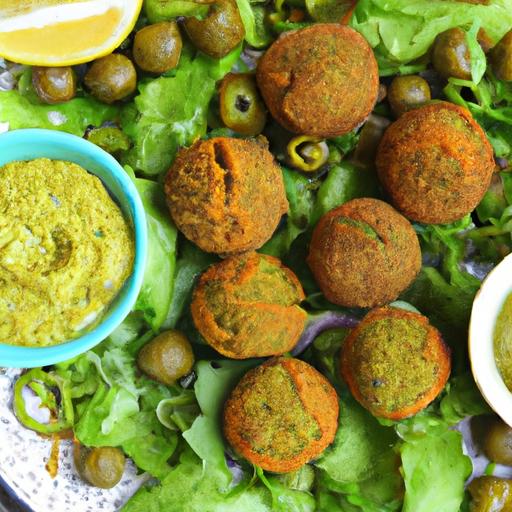


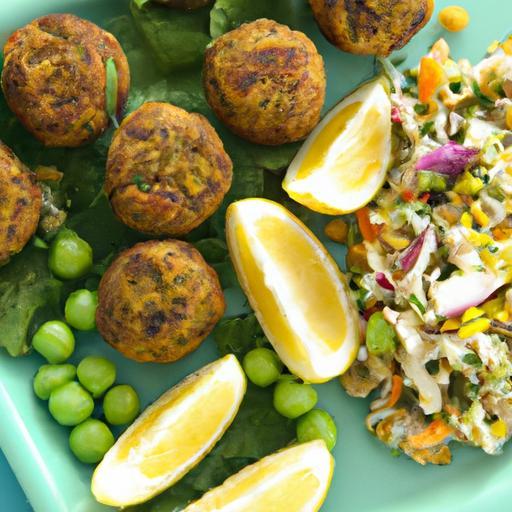
Imagine biting into a warm, crispy falafel that’s familiar yet refreshingly new-a vibrant green twist that dances on your palate with unexpected brightness and depth. Enter edamame falafel, a modern reinvention of the beloved Middle Eastern staple that swaps traditional chickpeas for protein-packed edamame beans. This innovative spin not only offers a delightful change in flavor and texture but also brings a nutritional boost, making it a perfect fusion of tradition and innovation. In this article, we’ll explore how edamame falafel is redefining a classic favorite, inviting food lovers to savor a fresh, wholesome experience that’s as versatile as it is flavorful.
The Nutritious Powerhouse Behind Edamame Falafel
Edamame falafel brings a vibrant,protein-packed twist to a timeless Middle Eastern classic. Edamame falafel combines the creamy texture and subtle sweetness of young soybeans with the fragrant spices and fresh herbs typically found in traditional falafel. This fusion not only amplifies the nutritional profile-offering a wealth of plant-based protein, fiber, and essential vitamins-but also delivers a delightful and unexpectedly fresh flavor that makes it irresistible. Inspired by my first bite at a bustling farmer’s market,where innovation meets comfort,this recipe embodies versatility and nourishment all in one bite-sized marvel.
Prep and cook Time
- Planning: 20 minutes
- Cooking: 15 minutes
- Total Time: 35 minutes
Yield
Makes approximately 18 falafel patties, serving 4-6 people as a main dish or appetizer.
Difficulty Level
Medium – perfect for adventurous cooks eager to explore a fresh take on familiar flavors.
Ingredients
- 2 cups shelled edamame (fresh or frozen,thawed)
- 1 small onion,roughly chopped
- 3 cloves garlic,minced
- 1 cup fresh parsley leaves,packed
- ½ cup fresh cilantro leaves,packed
- 1 teaspoon ground cumin
- 1 teaspoon ground coriander
- ½ teaspoon smoked paprika
- ¼ teaspoon cayenne pepper (optional,for heat)
- 1 teaspoon baking powder
- 3 tablespoons chickpea flour (for binding)
- Salt and black pepper to taste
- 3 tablespoons olive oil,plus more for frying
- Juice of half a lemon
Instructions
- prepare the edamame: If using frozen edamame,steam or boil until tender,then drain and pat dry thoroughly. This step is crucial to avoid excess moisture that may cause falafel to fall apart.
- Blend the base: In a food processor, pulse the edamame, onion, garlic, parsley, and cilantro until finely chopped but not pureed – retaining some texture is key to a great falafel.
- Season and bind: Transfer the mixture to a bowl and stir in cumin, coriander, smoked paprika, cayenne (if using), baking powder, chickpea flour, lemon juice, salt, and pepper.Mix until the ingredients form a sticky, cohesive dough.
- Rest the mixture: Cover and refrigerate for 30 minutes. This resting time helps flavors meld and improves the texture, making the patties easier to shape and fry.
- Shape the falafel: Using wet hands,form the mixture into small,evenly sized patties or balls,about 1½ inches in diameter for even cooking.
- Cook to perfection: Heat olive oil in a skillet over medium heat. Fry falafel in batches, turning gently, until golden brown and crispy, about 3-4 minutes per side.Avoid overcrowding the pan to maintain temperature.
- Drain and serve: Remove falafel with a slotted spoon and drain on paper towels. Serve warm, garnished with fresh herbs or a drizzle of tahini sauce.
Tips for success
- Moisture control: Ensure edamame is well-drained and patted dry to prevent soggy patties.
- Binding matters: Chickpea flour is essential for structure but can be substituted with all-purpose flour or gluten-free flour if needed.
- Flavor balance: Fresh herbs brighten the falafel-feel free to adjust parsley and cilantro ratios to suit your taste.
- Make-ahead: The falafel dough can be refrigerated up to 24 hours or frozen for up to a month, making it perfect for meal prep.
- Cooking method: For a lighter version, bake falafel at 375°F (190°C) for 20-25 minutes, flipping halfway.
Innovative Serving Suggestions to Elevate Your Edamame Falafel
Serve your edamame falafel nestled in a warm pita pocket with crisp,tangy pickled vegetables,and a dollop of creamy tzatziki or garlic-aioli.For a vibrant bowl, layer falafel atop a bed of quinoa, roasted sweet potatoes, and kale, then drizzle with a zesty tahini-lemon dressing sprinkled with pomegranate seeds for pops of color and flavor.
Garnish with toasted sesame seeds, fresh mint leaves, or a sprinkle of sumac to infuse layers of complexity. Consider a side of crunchy slaw made with napa cabbage and carrot for added texture. This versatility transforms your plate from simple to spectacular.
Pairing Edamame Falafel with flavors from Around the World
the shining, nutty notes of edamame falafel harmonize beautifully with global cuisines. Pair with a cooling cucumber raita from India or a spicy harissa sauce from North Africa for a flavor-packed contrast. Middle Eastern dips like muhammara or baba ganoush enhance the falafel’s herbal depth and satisfy cravings for smoky, rich accompaniments.
For a fusion twist,place falafel in a Japanese-style bao bun with pickled ginger and wasabi mayo,or serve alongside Korean kimchi and steamed rice for an exciting umami boost. This globally inspired versatility demonstrates how edamame falafel excels beyond its traditional roots, inviting endless culinary exploration.
| Nutrient | Per Serving (3 Falafel) |
|---|---|
| Calories | 210 |
| Protein | 12g |
| carbohydrates | 18g |
| Fat | 10g |

Ready to dive deeper into plant-based recipes? Check out our collection of wholesome meals and discover creative ways to fuel your palate. For more detailed insights on edamame nutrition, visit Healthline’s complete guide.
Q&A
Q&A: Edamame Falafel – A Fresh Twist on a Classic Favorite
Q1: What exactly is edamame falafel?
A1: Edamame falafel is a vibrant, green-hued spin on the traditional Middle Eastern falafel. Instead of the usual chickpeas,this version uses edamame-young,tender soybeans-to create a fresh,slightly sweeter flavor and a creamy texture that’s as delightful to eat as it is to look at.
Q2: Why use edamame instead of chickpeas?
A2: Edamame brings a subtle,nutty sweetness and packs a protein punch that rivals chickpeas. It also offers a hint of freshness and a lighter density,which makes edamame falafel feel modern and unexpected while still honoring the beloved crispy exterior and herbaceous essence of the classic falafel.
Q3: How does the taste of edamame falafel differ from traditional falafel?
A3: While traditional falafel has an earthy, hearty flavor with a pronounced chickpea undertone, edamame falafel feels lighter and brighter on the palate. The fresh, grassy notes of edamame lend a unique twist that dances harmoniously with garlic, cumin, and fresh herbs, creating an exciting flavor profile that’s both familiar and new.
Q4: Can edamame falafel accommodate dietary preferences or restrictions?
A4: Absolutely! Edamame falafel is naturally vegan, gluten-free (if you use gluten-free breadcrumbs or omit them), and packed with plant-based protein, making it an excellent choice for vegetarians, vegans, and health-conscious foodies alike. Plus,it’s a fantastic option for those looking to diversify their legume intake.
Q5: What are some creative ways to enjoy edamame falafel?
A5: The possibilities are endless! Stuffed into pita pockets with vibrant veggies and tahini sauce,crumbled over a salad for texture and zest,served alongside a cooling cucumber-yogurt dip,or even embraced as a snack with a sprinkle of za’atar-edamame falafel complements a variety of culinary adventures.
Q6: Is making edamame falafel at home intricate?
A6: Not at all! With cooked or thawed frozen edamame, a handful of fresh herbs like parsley and cilantro, spices, garlic, onion, and some flour or breadcrumbs to bind, you can whip up a batch in under an hour. The key is pulsing the ingredients to the right consistency-coarse enough for crunch, fine enough to hold together when fried or baked.
Q7: how does edamame falafel contribute to a enduring diet?
A7: Edamame is a sustainable crop that enriches soil by fixing nitrogen and often requires less water compared to other legumes. By choosing edamame falafel, you’re not only diversifying your meals but also supporting eco-pleasant food choices that benefit both your body and the planet.
Q8: Where can I find edamame falafel outside my kitchen?
A8: While edamame falafel is still carving out its niche, it’s increasingly appearing on menus at innovative Middle Eastern eateries, plant-based cafes, and fusion bistros. Keep an eye out at your local food markets or trendy restaurants that celebrate global flavors with a modern twist!
Edamame falafel marries tradition with innovation, creating a delicious way to reimagine a beloved classic. Whether you’re a falafel fanatic or a curious foodie, this fresh twist promises a rewarding bite-and maybe even a new favorite.
Wrapping Up
In reimagining the beloved falafel with nutrient-packed edamame, this fresh twist not only honors tradition but also invites a new wave of vibrant flavors to the table. Whether nestled in a pita, tossed into a salad, or enjoyed on their own, edamame falafels offer a delightful balance of familiar comfort and innovative zest. Embracing this fusion is more than just a culinary experiment-it’s a celebration of how classic favorites can evolve, nourishing both body and palate in exciting, unexpected ways. So next time you crave that crispy, golden bite, consider the green goodness of edamame falafel-where heritage meets health in perfect harmony.