

Nestled among rolling vineyards and sun-dappled hillsides, grapes have long narrated tales of terroir, tradition, and change. Among the countless varieties that grace the vine, Chardonnay and Concord stand out not just for their distinctive flavors, but for the unique stories they embody-from ancient Old World elegance to vibrant New World character. In this exploration of “Grapes on the Vine: Exploring Chardonnay and Concord Varieties,” we delve beyond the glass to uncover the origins, cultivation, and cultural significance of these two iconic grapes. Join us as we journey through the delicate nuances of Chardonnay’s crisp sophistication and the bold, sweet essence of Concord, revealing how each variety continues to shape the world of wine, juice, and beyond.
chardonnay and Concord grapes offer an remarkable journey through the vineyard, unfolding stories of heritage, flavor, and versatility. Known for their distinct characteristics and culinary charm, these grape varieties bring rich expressions that captivate both casual tasters and seasoned palates alike.
Origins and Unique Characteristics of Chardonnay and Concord Grapes
Chardonnay, often hailed as the ”chameleon of grapes,” traces its roots to the Burgundy region of France. its adaptability to diverse climates and terroirs makes it a celebrated varietal worldwide, revered especially in producing elegant white wines. Chardonnay grapes boast small, green-yellow berries with a translucent skin that allows the subtlety of flavors to shine through-from crisp apple and pear in cooler regions to tropical notes like pineapple and mango in warmer climes.
conversely, the Concord grape originates in the northeastern United States, bred in the mid-19th century by Ephraim Wales Bull. Its robust, thick skin and deep blue-purple hue make it instantly recognizable. Loved for its deeply aromatic, sweet, and tart profiles, Concord is a staple in jellies, juices, and iconic American comfort foods-bringing a distinctly nostalgic, fruit-forward punch.
tasting Notes and Flavor Profiles: What Sets these Varieties Apart
When you taste Chardonnay grapes or their wines, expect a complex layering starting with fresh orchard fruits, a hint of citrus zest, and sometimes buttery or vanilla undertones when oak-aged.The mouthfeel is often creamy, with moderate acidity offering balance and length.
In contrast, Concord grapes explode with juicy sweetness reminiscent of blackberry and grape candy, underscored by a lively tartness. their distinctive “foxy” aroma-a term used to describe their intense grape essence-is instantly evocative and treasured in jams and baked goods, making the experience both bold and comforting.
Cultivation Tips for Thriving Chardonnay and Concord vines
Successfully cultivating these grapes requires understanding their individual needs. Chardonnay vines thrive in well-drained soils and benefit substantially from temperate climates where cold winters and warm summers balance sugar development and acidity preservation. Regular pruning and canopy management help maximize sunlight exposure and air circulation for healthy grape clusters.
Concord grapes are notably hardy, with excellent resistance to many diseases, making them suited for home gardeners and commercial growers alike. They prefer slightly acidic, sandy loam soils and need strong support structures due to vigorous vine growth. Consistent watering during dry spells, alongside seasonal pruning to encourage fruiting shoots, ensures bountiful, flavorful harvests.
Pairing Recommendations and Culinary Uses for Chardonnay and Concord Grapes
Chardonnay grapes, especially in wine form, pair beautifully with rich dishes like creamy pastas, roasted chicken, and mild soft cheeses such as Brie or Camembert. Their crisp acidity also complements shellfish and subtly seasoned vegetable dishes. Fresh Chardonnay grapes can brighten salads or add texture to fruit-forward salsas.
Concord grapes shine in sweeter applications-think homemade jellies, grape pies, or syrup-infused pancakes. Their intense flavor also pairs well with sharp cheddar or puckering goat cheese, offering a fantastic sweet-and-savory contrast. For an adventurous twist, use Concord grapes in sauces for grilled meats to introduce a fruity tang and vibrant color.
Chardonnay and Concord grapes Crisp Salad
This refreshing salad brings the best of both grape varieties, combining juicy Concord grapes and tender Chardonnay slices with crisp greens and toasted nuts. It’s rapid to assemble yet strikingly elegant-perfect for a light lunch or side dish that celebrates the unique flavors of these grapes on the vine.
Prep and Cook Time
Prep: 15 minutes | Cook: 0 minutes | Total: 15 minutes
Yield
4 servings
Difficulty Level
Easy
Ingredients
- 1 cup fresh Concord grapes, halved
- 1 cup fresh Chardonnay grapes, halved and peeled
- 4 cups mixed baby greens (arugula, spinach, and butter lettuce)
- 1/2 cup crumbled goat cheese
- 1/3 cup toasted pecans or walnuts
- 1 small red onion, thinly sliced
- 2 tbsp extra virgin olive oil
- 1 tbsp white balsamic vinegar
- 1 tsp honey
- Salt and freshly ground black pepper, to taste
Instructions
- Rinse and gently pat dry the grapes and baby greens.
- In a large salad bowl,combine the mixed greens,halved Concord grapes,and Chardonnay grapes.
- Add the thinly sliced red onion, crumbled goat cheese, and toasted nuts for a delightful crunch and creamy counterpoint.
- in a small bowl, whisk together the extra virgin olive oil, white balsamic vinegar, and honey until smooth and emulsified.
- Drizzle the dressing over the salad and toss gently to coat all ingredients without bruising the grapes or greens.
- Season with salt and freshly ground pepper to taste.
- Serve immediately for the freshest experience.
Tips for Success
- peeling Chardonnay grapes reduces their slight bitterness; though, for a more rustic texture, leave the skins on.
- Toast nuts on a dry skillet over medium heat until fragrant-about 2-3 minutes-for enhanced flavor.
- For added richness, sprinkle a handful of pomegranate seeds or a few shards of Parmesan cheese.
- Make the dressing ahead and refrigerate for up to 2 days; whisk well before tossing.
serving Suggestions
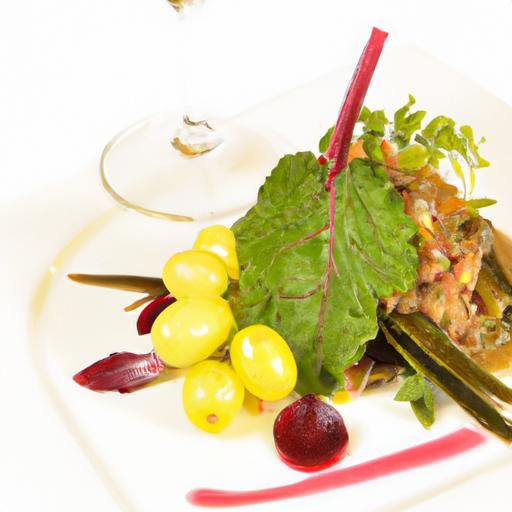
Plate this salad in clear glass bowls to showcase the jewel-like grapes.Garnish with fresh thyme leaves or edible flowers for an elegant touch. Pair with a chilled Chardonnay wine to elevate the grape-to-glass experience beautifully.
| Nutrient | Per Serving |
|---|---|
| Calories | 180 kcal |
| Protein | 5 g |
| Carbohydrates | 16 g |
| Fat | 11 g |

For more inspiration on working with grapes on the vine,check out our Grape harvest and Preservation Guide. For in-depth viticulture details, the UC Davis Viticulture Program offers an excellent resource.
Q&A
Q&A: Grapes on the Vine – Exploring Chardonnay and Concord Varieties
Q1: What makes Chardonnay and Concord grapes unique among the many grape varieties?
A: Chardonnay and Concord grapes stand out not only for their distinctive flavors but for their contrasting histories and uses. Chardonnay, frequently enough dubbed the ”queen of white grapes,” is celebrated worldwide for its versatility in winemaking-from crisp, mineral-driven bottles to rich, buttery oaked wines.Concord, on the othre hand, is a native north american grape known for its bold, grapey aroma and deep purple hue, commonly enjoyed in juices, jellies, and sweet wines. Together, they highlight the diverse spectrum of grape personality and purpose.
Q2: How do Chardonnay and Concord grapes differ in taste and aroma?
A: Chardonnay grapes typically offer flavors ranging from green apple and citrus in cooler climates to tropical fruits like pineapple and mango in warmer regions. Their aroma can be fresh and clean or rich and creamy, especially when aged in oak.Concord grapes deliver a robust, unmistakable flavor profile-think intense grape jelly, black cherry, and a touch of earthiness. Concord’s aroma is pronounced and often described as “grapey,” evoking childhood memories of grape sodas and school lunchboxes.
Q3: In what climates do Chardonnay and Concord grapes thrive?
A: Chardonnay is famously adaptable, thriving in cool climates like Burgundy, France, as well as warmer regions such as california and Australia. This adaptability allows winemakers to craft a wide array of wine styles. Concord grapes prefer temperate climates with cold winters and moderate summers, like those in the northeastern United States. They’re hardy and well-suited to regions that might be too cold for other Vitis vinifera varieties.
Q4: What are the primary uses of each grape variety beyond wine?
A: Chardonnay’s primary stage is in winemaking, from still to sparkling wines. Its flavor profile and structure make it a favorite for both solo bottlings and blends.Concord grapes, simultaneously occurring, shine outside the wine glass, frequently enough turned into juices, jams, jellies, and even candies. While Concord wine exists, it’s usually sweeter and less subtle than vinifera wines, making it popular among those seeking a fruity, accessible drink.
Q5: How have Chardonnay and Concord contributed to cultural and culinary traditions?
A: Chardonnay’s global appeal has influenced fine dining and wine culture, symbolizing elegance and versatility. It pairs wonderfully with dishes ranging from seafood to roasted chicken, making it a staple on restaurant wine lists worldwide. concord grapes hold a nostalgic place in American culture, especially in the Northeast and Midwest, where homemade Concord jelly and grape soda evoke warm memories of family gatherings and local harvests-a reminder of the grape’s sweeter, homegrown roots.
Q6: Can these two grape varieties be grown together or blended in winemaking?
A: While chardonnay and Concord aren’t typically blended due to their wildly different flavor profiles and winemaking traditions, some experimental vintners may explore unique blends or co-fermentations.However, their differing growth habits, sugar levels, acidity, and tannin profiles usually make them better suited to separate cultivation and production. Growing them side by side is possible in certain climates, but each demands unique care to bring out its best qualities.Q7: What should wine enthusiasts look for when tasting wines made from Chardonnay or concord grapes?
A: For Chardonnay, pay attention to the balance between acidity, fruit character, and oak influence.Is it a lean, crisp version bursting with citrus and green apple? Or is it a creamy, toasted, and buttery style with tropical undertones? For concord-based wines (frequently enough sweeter), seek the vibrancy of the grape’s signature grape flavor, balanced sweetness, and smoothness. Though less common in fine wine circles, they offer a charming choice for those who appreciate nostalgic fruitiness.
whether you’re swirling a glass of refined Chardonnay or savoring the nostalgic sweetness of Concord,these grapes on the vine tell stories of place,tradition,and flavor-each inviting you to experience the vine’s varied and vibrant world.
In Retrospect
As the sun sets on our journey through the vineyards of Chardonnay and Concord grapes, we’re reminded of the rich stories each variety carries-from crisp, elegant notes that dance in a glass of Chardonnay to the bold, nostalgic sweetness of Concord that echoes childhood memories. Whether cultivated for elegant wines or beloved jams and juices, these grapes offer a captivating glimpse into the diversity and heritage of viticulture. so next time you savor a chilled Chardonnay or reach for a Concord grape snack, take a moment to appreciate the unique journey from vine to palate that makes each variety truly special.