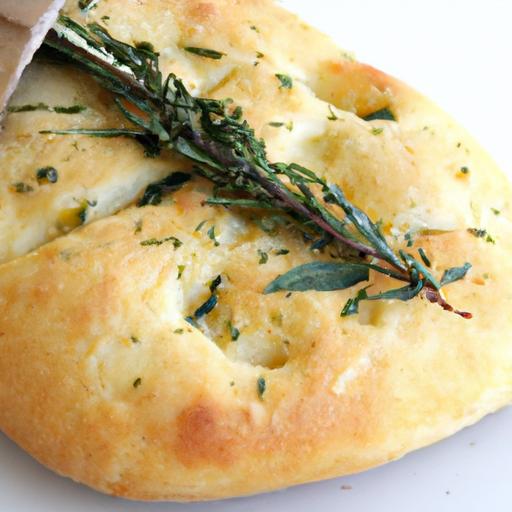


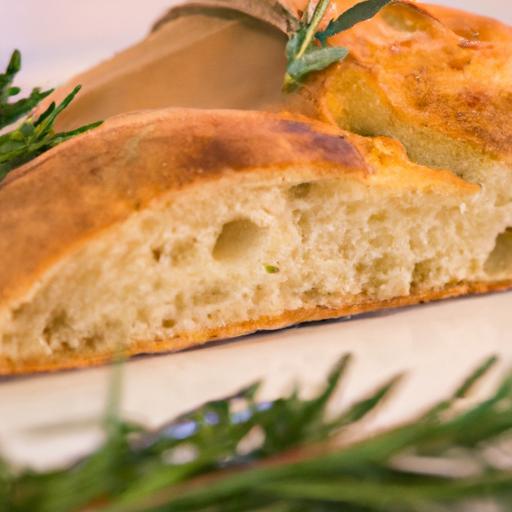
There’s a certain magic that happens when simple ingredients-flour, water, yeast, olive oil, and a sprinkling of salt-come together in perfect harmony. Aromatic rosemary focaccia is more than just bread; it’s an experience rooted in centuries of Mediterranean tradition, where every fragrant bite tells a story of sun-drenched groves and rustic kitchens. This golden, pillowy olive oil bread, kissed by the piney freshness of rosemary, transforms humble pantry staples into an artisanal delight. Join us as we explore the art behind creating this timeless Italian classic, uncovering the secrets that make rosemary focaccia a beloved staple on tables around the world.
Aromatic Rosemary Focaccia is a timeless Italian classic that turns humble ingredients into an irresistible symphony of flavors and textures. The fresh rosemary’s woodsy, pine-like notes breathe new life into this rustic bread, while the rich olive oil lends unparalleled depth and silkiness to every bite. Originating from Liguria on Italy’s northwestern coast,focaccia is both a simple pantry hero and a luxurious companion to any meal. The secret lies in balancing fresh herbs, selecting the perfect oil, and mastering the dough-a process that transforms everyday baking into an artisanal experience bursting with aroma and golden crusts.
Prep and cook Time
- Preparation: 20 minutes
- First rise: 1 hour 30 minutes
- Second rise: 40 minutes
- Baking: 25 minutes
- Total Time: Approximately 3 hours
Yield
One 12×16-inch focaccia, serving 8 generously.
difficulty Level
Medium - Ideal for bakers pleasant with yeast dough but approachable for adventurous beginners eager to learn.
Ingredients
- 3 ½ cups all-purpose flour, sifted
- 1 tbsp active dry yeast
- 1 ¼ cups warm water (about 100°F/38°C)
- 1 tsp fine sea salt
- ½ cup high-quality extra virgin olive oil, plus extra for drizzling
- 2 tbsp fresh rosemary leaves, finely chopped (plus sprigs for garnish)
- Coarse sea salt for sprinkling
Instructions
- Activate the yeast: In a small bowl, combine the warm water with yeast. Let it sit for 5-10 minutes until it becomes foamy, signalling that the yeast is alive and ready.
- Mix the dough: In a large mixing bowl, whisk together the sifted flour and sea salt. Pour in the yeast mixture and ¼ cup of olive oil. Stir with a wooden spoon until a sticky dough forms.
- Knead gently: Transfer dough to a lightly floured surface. Knead for about 8-10 minutes until smooth and elastic, adding small flour amounts only if necessary. Avoid over-flouring to keep the dough soft and hydrated.
- First rise: Lightly oil a clean bowl with olive oil, place dough inside, and cover with a damp cloth or plastic wrap. Let it rise in a warm spot for about 1 hour 30 minutes or until doubled in size.
- Prepare the baking sheet: Drizzle 2 tbsp olive oil on a 12×16-inch baking pan, spreading it evenly. Transfer the risen dough and gently stretch it out to fill the pan. Use your fingertips to dimple the dough deeply-this is key to the characteristic focaccia texture and allows the oil and rosemary to sink in.
- Second rise: Brush the dough generously with remaining olive oil, sprinkle with freshly chopped rosemary, and coarse sea salt. Let it rest for 40 minutes, uncovered, allowing it to puff up slightly.
- Bake to golden perfection: Preheat oven to 425°F (220°C). Bake the dough for 20-25 minutes or until the crust is beautifully golden with crisp edges and popping bubbles on the surface.
- Finish and serve: Once out of the oven, instantly brush with a light drizzle of olive oil and garnish with additional rosemary sprigs for an aromatic finish. Allow the focaccia to cool slightly before slicing and serving.
Tips for Success
- Choose an extra virgin olive oil with a fruity, peppery profile-like those from Liguria or Tuscany-to enhance the focaccia’s flavour and mouthfeel.
- the fresh rosemary should be fragrant but not overpowering; chop finely to release oils without making the bites too woody.
- If your kitchen is cold, create a warm rising environment by placing the dough near a preheated but turned-off oven or atop a warm appliance.
- Dimples are essential-use your fingertips to gently press the dough rather than punching it down, preserving the airy structure.
- For a twist, consider adding thinly sliced garlic or cherry tomatoes tucked into the dimples before baking.
- You can prepare the dough a day ahead and refrigerate it after the first rise; bring to room temperature before proceeding to the second rise for enhanced flavor complexity.
Serving suggestions
Savor this bread warm, paired with a robust bowl of minestrone or alongside a plate of artisanal cheeses and olives. The herbaceous notes and golden crust make it perfect for dipping in flavored olive oils or balsamic reductions. To elevate presentation, drizzle with a rosemary-infused oil and scatter fresh microgreens or edible flowers atop the warm focaccia. This bread also shines sliced and used for gourmet sandwiches or bruschettas glazed with ripe tomatoes and burrata.
| Nutritional facts (per serving) | Calories | Protein | Carbs | fat |
|---|---|---|---|---|
| Approximate Values | 270 kcal | 6 g | 32 g | 12 g |

For those interested in enhancing their bread-baking journey, explore our detailed guide on yeast baking fundamentals. To deepen your understanding of olive oil’s impact in mediterranean cuisine,visit International Olive Council. This authoritative resource offers insights on selecting top-quality oils that complement recipes such as this aromatic rosemary focaccia.
Q&A
Q&A: Aromatic Rosemary Focaccia – The Art of Olive Oil Bread
Q1: What makes rosemary focaccia an iconic olive oil bread?
A1: Rosemary focaccia is a celebration of simplicity and aroma. At its heart lies the humble olive oil-liquid gold that infuses the dough with richness and a delicate fruity undertone. The fresh rosemary adds a fragrant, evergreen essence, creating a sensory experience that transforms this bread from mere sustenance into an artful indulgence.
Q2: How does olive oil influence the texture of focaccia?
A2: Olive oil is the secret architect of focaccia’s tender crumb and golden crust. It tenderizes the dough, allowing it to rise with airy bubbles, giving the bread its characteristic lightness. Simultaneously,olive oil crisps the surface during baking,producing a luscious,slightly crackling crust kissed with shimmering oil pools in the dimples.
Q3: Why is dimpling the focaccia dough so essential, and how is it done?
A3: Dimpling isn’t just decorative-it’s functional and soulful. Pressing your fingertips gently into the dough before baking creates pockets that hold olive oil, herbs, and sea salt.Thes indentations facilitate even olive oil absorption, ensuring every bite bursts with flavor and moisture. Think of it as the bread’s signature fingerprint.
Q4: Can you suggest variations to elevate classic rosemary focaccia?
A4: Absolutely! While rosemary is the star, focaccia welcomes a chorus of flavors. Try adding caramelized onions, sun-dried tomatoes, or olives for complexity. Experiment with herbs like thyme or sage, or sprinkle flaky sea salt and cracked black pepper atop your olive oil canvas. Each tweak personalizes your loaf into a masterpiece of taste.
Q5: What role does the quality of olive oil play in making focaccia?
A5: The olive oil’s quality is paramount-it’s the soul of focaccia.Extra virgin olive oil, with its robust aroma and slightly peppery bite, imparts depth and authenticity. A mediocre oil can yield a flat flavor, while a vibrant, fresh oil elevates the bread, making each mouthful a fragrant symphony.
Q6: How should focaccia be served to best appreciate its flavor?
A6: Focaccia is a versatile companion-it shines warm from the oven, brushed with a little extra olive oil and sprinkled with flaky salt. Pair it with hearty stews, crisp salads, or as a canvas for gourmet sandwiches. its olive oil richness also makes it a sublime dipper for balsamic vinegar or herbed spreads.Q7: What challenges might a baker face when making rosemary focaccia, and how can they be overcome?
A7: The main challenges include achieving the perfect rise and managing moisture to avoid a soggy or dry crumb. Patience for the dough’s fermentation is key-long, slow rises unlock flavor and texture. Properly greasing the pan with olive oil prevents sticking and encourages crispness. Also, don’t skimp on dimpling and topping with enough oil and salt; they’re crucial for that trademark focaccia charm.
Q8: In what ways does making focaccia connect us to Mediterranean culinary traditions?
A8: Making focaccia is a ritual that ties us to centuries of Mediterranean life-where simple ingredients celebrate the land’s bounty. it’s more than baking; it’s storytelling through food, honoring olive trees, fragrant herbs, and communal sharing at the table. Crafting focaccia invites us to slow down, embrace rustic elegance, and savor the art born from sun-drenched coasts.
With every rosemary-scented bite, focaccia tells the enduring tale of olive oil’s magic, weaving taste, texture, and tradition into a bread that transcends time.
Wrapping Up
As the golden crust of your rosemary focaccia cools, the scent of olive oil and fragrant herbs lingers-a fragrant reminder that bread is more than sustenance; it is an art form. In mastering this timeless recipe, you’ve not only baked a loaf but also crafted a sensory experience, where each bite tells a story of Mediterranean sun, fertile soil, and centuries of tradition. Whether enjoyed warm from the oven or paired with your favorite meal, aromatic rosemary focaccia invites you to slow down, savor simplicity, and celebrate the soulful alchemy of olive oil and flour. So, next time you crave comfort baked with care, remember: the art of olive oil bread is always just a knead away.