


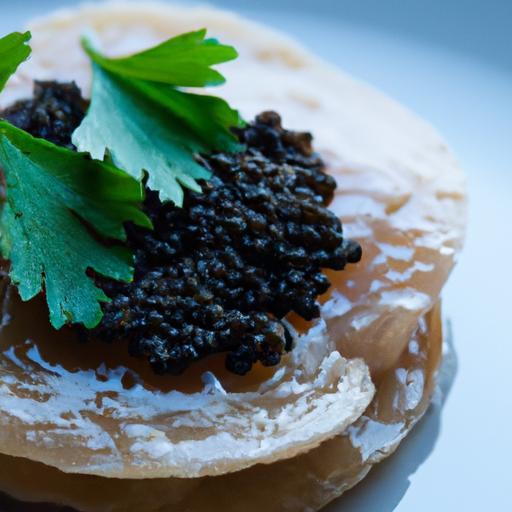
In the world of gourmet indulgence, few combinations evoke elegance quite like the pairing of buckwheat blini and luxurious caviar. These petite, pillowy pancakes-crafted from earthy buckwheat flour-serve as the perfect canvas for the shimmering pearls of the sea, creating a bite-sized symphony of flavors and textures.Rooted in Eastern European culinary tradition yet beloved by epicureans worldwide, buckwheat blini offer more than just a vessel; they bring a nutty depth and subtle heartiness that elevate the delicate saltiness of premium caviar. Join us as we explore why this humble pancake reigns supreme as the quintessential base for one of the world’s most revered delicacies.
Buckwheat Blini evoke a timeless culinary tradition rooted in Russian and Eastern European heritage. Their nutty, earthy flavor offers the perfect counterpoint to the delicate luxury of caviar. mastering the art of crafting light and fluffy buckwheat blini transforms a simple batter into an elegant canvas, elevating every bite into a celebration of texture, taste, and visual splendor.
Prep and Cook Time
Preparation: 15 minutes | Cooking: 20 minutes | Resting: 45 minutes
Yield
Approximately 20 small blini (3-inch diameter)
Difficulty Level
Medium
Ingredients
- 1 cup buckwheat flour, sifted
- ½ cup all-purpose flour, sifted
- 1 teaspoon granulated sugar
- ½ teaspoon fine sea salt
- 1 teaspoon instant dry yeast
- ¾ cup whole milk, warmed (about 105°F/40°C)
- 2 large eggs, separated
- 3 tablespoons unsalted butter, melted, plus more for cooking
- Sour cream, for serving
- Luxurious caviar, chilled
- Fresh dill sprigs, finely chopped shallots, and lemon wedges, for garnish
Instructions
- Activate the yeast: In a small bowl, whisk the warm milk, sugar, and yeast. let it stand for 5-10 minutes until foamy-this guarantees a lively ferment that contributes to the blini’s signature lightness.
- mix dry ingredients: In a large bowl, combine the buckwheat flour, all-purpose flour, and salt. stir well to ensure even distribution of ingredients.
- Combine wet and dry: Pour the yeast mixture into the flour blend. Add the egg yolks and melted butter, stirring gently until a smooth batter forms. Cover loosely and set aside in a warm place to rest and rise for 30-45 minutes. It should develop small bubbles and increase slightly in volume.
- Beat the egg whites: Using a clean whisk or electric mixer, beat the egg whites to stiff peaks but avoid dryness. Gently fold them into the risen batter in two additions to create a feather-light texture. Preserve as much air as possible.
- Pan-cook the blini: Heat a non-stick skillet or cast-iron pan over medium heat and lightly brush with butter. Spoon 1 tablespoon of batter per blin into the pan. Cook until bubbles appear on the surface and edges feel set, about 2 minutes.Flip carefully and cook another 1-2 minutes until golden brown and cooked through.
- keep warm: Transfer cooked blini to a warm plate covered loosely with foil. Continue cooking the rest of the batter, brushing the pan with butter between batches.
- Serve with elegance: Top each warm buckwheat blin with a dollop of sour cream, a teaspoon of caviar, and garnish with fresh dill and finely chopped shallots. Add a delicate squeeze of lemon to brighten flavors instantly.
Tips for Success
- Choosing the ideal buckwheat flour: Opt for pale, fine-milled buckwheat flour for a lighter texture and subtle nutty notes that won’t overpower your toppings.
- Yeast rising tip: Ensure your milk is warm but not hot to preserve yeast activity; a thermometer is handy.
- Folding egg whites: Use a spatula and perform gentle folding motions to keep air bubbles intact-this will make your blini wonderfully fluffy.
- Make ahead: Blini batter can be made up to 1 hour before cooking; keep refrigerated and bring to room temperature before cooking.
- Alternative flours: For a gluten-free option, experiment with a blend of buckwheat and rice flour, but expect subtle differences in texture.
- Storage advice: Leftover blini refrigerate well and reheat gently in a pan or oven to maintain softness.
Serving Suggestions
Present your buckwheat blini like a refined hors d’oeuvre, layering sensuous toppings that complement the luxurious caviar. The classic trio of chilled caviar, crème fraîche or sour cream, and fresh dill is unmatched. Enhance the experience further with delicate shallots for bite, tiny lemon wedges for zest, and maybe a touch of finely grated horseradish or chives for additional dimension.
for an elevated grazing table, display blini on a rustic wooden platter beside crystal bowls of various caviar varieties and accouterments. Adding edible flowers or microgreens adds a splash of color and sophistication. Such visual charm entices the eye and invites indulgence.
| Nutrient | Per 2 Blini | Per 1 Tbsp Caviar |
|---|---|---|
| Calories | 110 | 40 |
| Protein | 4g | 4g |
| Carbohydrates | 15g | 1g |
| Fat | 3g | 3.5g |
Explore more on caviar’s cultural significance and varieties and dive deeper into complementary recipes such as creme fraiche sauces for impeccable serving techniques.

Q&A
Q&A: Buckwheat Blini – The Perfect Base for Luxurious Caviar
Q1: What exactly is a buckwheat blini?
A: A buckwheat blini is a small, round, and tender pancake made primarily from buckwheat flour. Unlike its wheat-based cousins, this blini boasts a slightly nutty flavor and a pleasantly earthy aroma, creating a distinctive foundation that elevates the delicacy of caviar.
Q2: Why choose buckwheat blini over regular pancakes or toast for serving caviar?
A: Buckwheat blini offers a subtle, complex taste that complements rather than competes with the intense, briny notes of caviar.Its texture is light yet sturdy enough to hold toppings without overwhelming the palate, making it the ideal vehicle for luxurious bites.
Q3: Is buckwheat traditionally used in Russian cuisine?
A: Absolutely! Buckwheat has deep roots in Russian and Eastern European cooking. Blini made with buckwheat flour have long been a festive staple, especially during Maslenitsa, and pairing them with caviar is a time-honored tradition that highlights the finesse of both ingredients.
Q4: Can buckwheat blini be made gluten-free?
A: Yes! Buckwheat is naturally gluten-free, making these blini an excellent option for those with gluten sensitivities. Just ensure the other ingredients used do not contain gluten, and you’ll have a safe, sumptuous treat suitable for many dietary needs.
Q5: How do you make the perfect buckwheat blini at home?
A: The magic lies in balance and patience. Mix buckwheat flour with a touch of all-purpose or gluten-free flour for structure, add yeast or baking powder for fluffiness, and let the batter rest to develop flavor. Cook each blini in a lightly buttered skillet until golden brown, then top with crème fraîche and a spoonful of caviar for an elegant bite.
Q6: What toppings pair best with buckwheat blini and caviar?
A: Classic accompaniments include tangy crème fraîche, finely chopped chives or dill, thinly sliced shallots, and a squeeze of fresh lemon juice. These add brightness and texture, creating a harmonious flavor experience that enhances the luxurious nature of caviar.
Q7: Are buckwheat blini only for caviar lovers?
A: Not at all! While caviar is the crown jewel topping,buckwheat blini’s versatile flavor and texture work beautifully with smoked salmon,mushroom ragouts,or even sweet spreads like honey and berries. They’re a canvas for culinary creativity, perfect for any occasion.Q8: How does buckwheat’s nutritional profile benefit this indulgent appetizer?
A: Buckwheat is packed with protein, fiber, and essential minerals like magnesium and manganese. It’s also rich in antioxidants. Paired with nutrient-dense caviar, this dish blends decadence with wholesome nourishment-a truly luxurious yet mindful indulgence.Q9: Can buckwheat blini be served warm or cold?
A: Traditionally, buckwheat blini are served warm to highlight their delicate texture and aroma, which enhances the sensory experience when paired with chilled caviar. However, leftovers can be enjoyed at room temperature, maintaining their subtle charm.
Q10: What makes buckwheat blini and caviar a timeless culinary pairing?
A: It’s all about harmony: the nutty,hearty base of the buckwheat blini gently cushions the glistening pearls of caviar,letting their flavors shine without overpowering one another. Together, they create an elegant balance of earthy and oceanic delights-an irresistible duet cherished across cultures and generations.
the conclusion
In the delicate dance of flavors and textures, buckwheat blini emerge not just as a humble canvas, but as an essential partner to the opulence of caviar. Their nutty depth and tender crumb create a harmonious backdrop that allows each pearl of caviar to shine, transforming every bite into a celebration of culinary elegance. whether served at an intimate gathering or a grand soirée, buckwheat blini remind us that luxury need not be complicated-sometimes, the simplest foundation can elevate the most exquisite indulgence. So next time you reach for that tin of caviar, remember: the perfect pairing is waiting, crowned by the rustic charm of a perfectly crafted buckwheat blin.