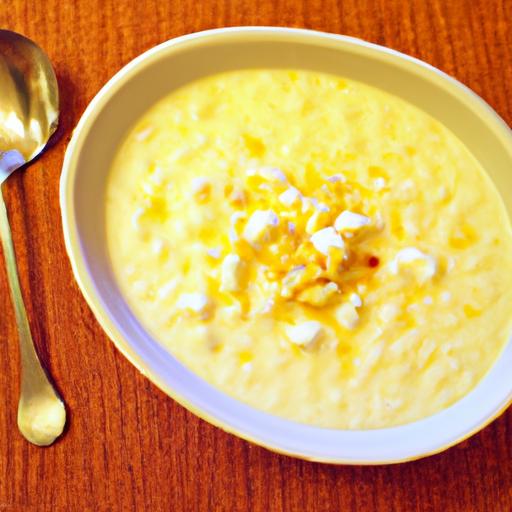


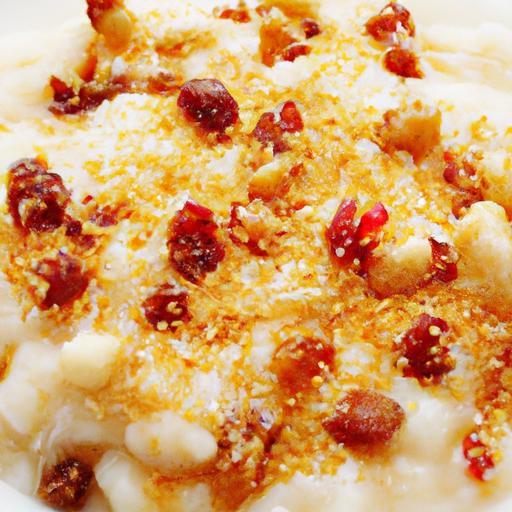
Nestled within the rich tapestry of Nepal’s culinary heritage lies a humble yet enchanting treat that has delighted generations-Dahi Chura. This traditional delicacy, a harmonious blend of fermented curd and flattened beaten rice, captures the essence of Nepalese simplicity and flavor in every bite. More than just a dish, Dahi Chura is a celebration of culture, community, and the land’s bountiful harvests. In this article, we embark on a flavorful journey to explore the origins, cultural significance, and unique taste profiles of this beloved classic, uncovering why Dahi Chura remains a cherished staple on Nepali tables and in hearts across the nation.
Dahi Chura Delight is a quintessential Nepalese treat that elegantly combines rustic tradition with comforting flavors. This humble yet soul-satisfying dish,deeply woven into Nepal’s culinary fabric,is an emblem of simplicity and cultural heritage. At its heart, Dahi Chura Delight is an exquisite pairing of curd (dahi) and beaten rice (chura), celebrated across households and festivals alike, evoking memories of gatherings, rural landscapes, and joyful traditions.
Origins and Cultural Significance of Dahi Chura Delight in Nepalese Cuisine
Dahi chura has long been cherished in Nepal as more than just a snack-it’s a cultural symbol of hospitality and the joys of simple living. Traditionally,it was a quick meal for farmers and villagers,offering immediate energy with minimal readiness. Its roots trace back centuries, intertwined with Newari and Madhesi communities, who often serve it during auspicious days like Dashain and Tihar. The blend of tangy curd and crunchy chura represents balance in Nepalese culinary philosophy: coolness paired with texture, freshness with rustic grains. As families pass down recipes through generations, this dish remains a festive centerpiece as well as a beloved daily delight.
Distinctive Ingredients and Traditional Preparation Techniques
The beauty of Dahi Chura delight lies in its minimalism and quality of ingredients. The beaten rice (chura) is delicate-flattened, dry, and slightly toasted to enhance its natural nuttiness. The dahi is usually fresh, creamy, and slightly sour, made traditionally from buffalo or cow milk, giving it a luscious texture that complements chura’s crispness. Preparation is deceptively simple: the dry chura is gently roasted to remove excess moisture, then combined just before eating with a generous dollop of curd.
Families often add a drizzle of jaggery or a pinch of salt to provide a unique contrast. The process of churning fresh dahi at home remains a cherished ritual. Some also enhance texture by adding roasted peanuts or finely chopped sugarcane bits, layering the flavors while preserving the dish’s authenticity.
Flavor Variations and Regional Twists to Savor
Although Dahi Chura Delight maintains a consistent base, its appeal lies in regional creativity. In the Terai region, people frequently enough add ripe bananas or seasonal fruits alongside jaggery, turning the dish into a naturally sweet breakfast-harmony. In hill regions, a dash of mustard oil or crushed chili flakes introduces a subtle heat that balances the cool dahi, offering a distinct Nepali twist. The Newars might incorporate finely chopped coconut or sesame seeds for added richness and texture.
Exploring these regional versions transforms the humble dish into a vibrant palette of flavors that showcases Nepal’s diverse culinary lineage while celebrating indigenous ingredients and family traditions.
Pairing Suggestions and Best Occasions to Enjoy Dahi chura Delight
Perfectly at home during early morning breakfasts or as a mid-afternoon energy booster, Dahi Chura Delight pairs beautifully with fragrant masalas and fresh seasonal fruits. It’s an ideal companion to a cup of Nepalese black tea infused with cardamom, completing a sensory experience that’s both calming and invigorating. For those craving crunch alongside spice, traditional fried items like aloo chop or sel roti elevate the meal further.
Special occasions such as Bijaya Dashami or Tihār see this dish served in community feasts, emphasizing its role as a comfort food that brings people together. It’s also popular during harvest festivals, symbolizing gratitude for the land’s bounty.
Prep and Cook Time
- Preparation: 10 minutes
- Cooking (toasting chura): 5 minutes
- Total Time: 15 minutes
Yield
- Serves 4 people
Difficulty Level
- Easy – perfect for beginners and busy home cooks
Ingredients
- 2 cups beaten rice (chura), preferably thick variety
- 1½ cups fresh plain yogurt (dahi), full-fat for creaminess
- 2 tbsp jaggery syrup or honey (optional, for sweetness)
- 1 tbsp roasted peanuts, coarsely crushed (optional)
- Pinch of salt to balance flavors
- Fresh fruits like ripe banana or mango slices (optional garnish)
Instructions
- Lightly toast the beaten rice: place 2 cups of chura in a dry skillet over medium heat. Toast for about 3-5 minutes, stirring continuously until it becomes aromatic and slightly crispy but not browned.
- Transfer the toasted chura to a bowl and let it cool to room temperature to prevent curd from curdling.
- Prepare the curd base: In a separate serving bowl, whisk the fresh yogurt until smooth and creamy. Taste and add a pinch of salt to enhance the overall flavor.
- Combine chura and dahi: Gently fold the toasted chura into the yogurt, ensuring even coating without making it soggy immediately.
- Add sweetness and crunch: Drizzle jaggery syrup or honey to your liking and sprinkle crushed roasted peanuts over the mix for texture contrast.
- Garnish: Top with fresh, seasonal fruit slices such as banana or mango for a burst of natural sweetness and color.
- Serve immediately: Dahi Chura is best enjoyed fresh, while the chura retains its delightful crunch against the cool yogurt.
Chef’s Notes & Tips for Success
- Freshness matters: Use fresh, creamy yogurt for authentic taste. If unavailable, Greek yogurt can be a rich substitute but adjust water content by stirring in a tablespoon of cold water before mixing.
- Chura texture: Toasting the chura just enough keeps it crisp but avoid over-toasting to prevent bitterness.
- Sweetness variations: Traditional recipes sometimes skip sweeteners; adapt according to palate. Jaggery adds a rustic depth unmatched by processed sugar.
- Make-ahead: Keep components separate. Toast chura and refrigerate yogurt. Assemble just before serving for perfect texture.
- Try regional spices: For a subtle twist, sprinkle roasted cumin powder or a pinch of chili powder when serving.
Serving Suggestions
Serve this Nepalese delight in rustic ceramic bowls adorned with a sprig of fresh mint for visual freshness. Pair with lightly spiced masala chai or traditional Nepalese black tea to harmonize the tangy, creamy notes. For a festive spread, accompany with sel roti or small fried lentil patties (momo) to introduce textural contrast and heartier elements.

| Nutrient | Per Serving |
|---|---|
| Calories | 180 kcal |
| Protein | 7g |
| Carbohydrates | 30g |
| Fat | 3g |
For an in-depth exploration of Nepalese traditional foods, discover our comprehensive guide on Nepalese cuisine classics. To deepen your understanding of yogurt cultures worldwide, visit the USDA’s food safety and yogurt resources.
Q&A
Q&A: Dahi Chura Delight – Exploring Nepal’s Traditional flavored Treat
Q1: What exactly is Dahi Chura?
A1: Dahi Chura is a classic Nepali delicacy that marries simplicity with rich cultural flavors. At its core, it’s a combination of chura-flattened, beaten, or roasted rice flakes-and dahi, the tangy, creamy yogurt. This humble dish is often enhanced with a drizzle of jaggery or sugar, creating a perfect balance of textures and tastes, cherished especially in rural Nepal.
Q2: How did Dahi Chura become a traditional favorite in Nepal?
A2: The origins of Dahi Chura date back centuries,rooted in the agricultural lifestyle of Nepalese mountain communities. After a day of hard work in the fields,farmers valued quick,nutritious meals. The availability of freshly pounded rice and homemade yogurt made Dahi Chura an ideal,wholesome snack or breakfast. Over time, it transcended its humble beginnings to become a symbol of Nepali heritage and hospitality.
Q3: What makes the flavor profile of Dahi Chura unique?
A3: The magic lies in the interplay of contrasting yet harmonizing flavors. The slight nuttiness and chewiness of the chura complement the cool, tart creaminess of the dahi. When sweetened with jaggery-an unrefined sugar made from palm or sugarcane-it adds an earthy sweetness that elevates the dish beyond a simple snack to a delectable experience that dances on the palate.
Q4: Are there regional variations of Dahi Chura across Nepal?
A4: Absolutely! While the basic ingredients remain consistent,variations emerge in accompaniments and preparation. In some hill regions, people add seasonal fruits, such as mango or berries, inviting a fresh burst of flavor.Others might sprinkle roasted sesame seeds or a pinch of salt and chili powder for a savory twist.These regional nuances celebrate Nepal’s diverse ecosystems and cultural tapestries.
Q5: How is dahi Chura traditionally prepared at home?
A5: Preparing Dahi Chura is both an art and a ritual. First, freshly harvested rice is pounded and flattened to create chura flakes, often sun-dried to achieve the perfect texture. Yogurt is homemade,usually from cow or buffalo milk,fermented to a creamy tang. To serve, a generous helping of dahi is placed in a bowl, topped with chura, and sweetened with warm jaggery syrup or sprinkled sugar. sometimes, a handful of nuts or dry fruits are added for the extra crunch and flavor.
Q6: Is Dahi Chura only a breakfast dish, or can it be enjoyed at other times?
A6: While traditionally enjoyed as a wholesome breakfast, Dahi Chura’s versatility allows it to be savored anytime. It serves as a refreshing afternoon snack, a light dessert, or a revitalizing meal after physical activity. Its natural probiotics from yogurt also lend health benefits, making it a nourishing choice throughout the day.
Q7: Can Dahi chura be adapted for modern palates or dietary preferences?
A7: certainly! Contemporary food enthusiasts experiment by using plant-based yogurts to cater to vegan diets, or incorporate superfoods like chia seeds and flaxseeds for added nutrition.Some chefs fuse the dish with honey,cinnamon,or exotic dried fruits,crafting a fusion treat that honors tradition while inviting global tastes.
Q8: Why should travelers and food lovers make a point to try Dahi Chura when visiting Nepal?
A8: Sampling Dahi Chura is more than tasting a dish-it’s immersing yourself in Nepal’s soul. It offers a direct connection to the country’s agrarian roots, its warm hospitality, and the resilient spirit of its people. Every spoonful tells a story of sun-drenched terraces, mountain mornings, and the joyful simplicity of Nepali life, making it an unforgettable culinary adventure.
Discovering Dahi Chura is a delightful journey into nepal’s vibrant food culture-where humble ingredients transform into a flavorful celebration of tradition and taste. Whether under the Himalayan sun or in your own kitchen, this treat invites you to savor a genuine slice of Nepalese heritage.
Key Takeaways
As the final grains of Dahi Chura melt away, we find ourselves savoring more than just a traditional Nepalese treat – we’ve tasted a slice of Nepal’s rich cultural tapestry. This humble dish, with its simple yet harmonious blend of fermented rice flakes and creamy yogurt, invites us to slow down and appreciate the stories embedded in every bite. Beyond its delightful flavors, Dahi Chura stands as a testament to Nepal’s enduring traditions, passed lovingly from generation to generation. Whether enjoyed in a bustling Kathmandu market or a quiet mountain village, this timeless delight connects the past with the present, reminding us that sometimes, the most exquisite pleasures come from the simplest ingredients.So next time you seek a culinary adventure that nourishes both body and soul, let Dahi Chura guide your palate on a journey straight into the heart of Nepal.