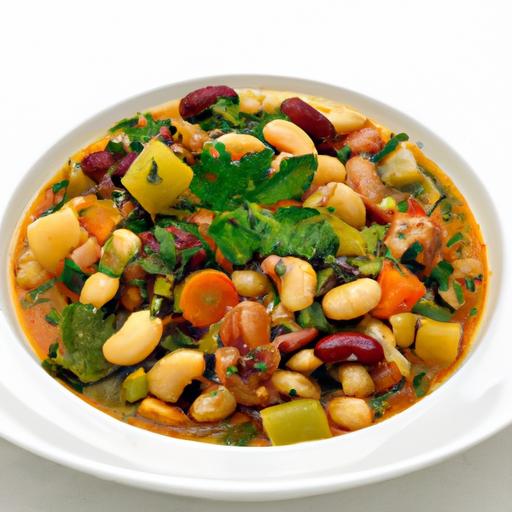


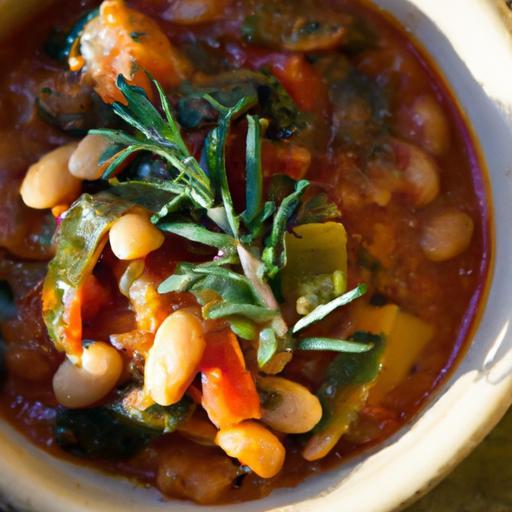
Nestled in the sun-dappled hills of Tuscany, where rustic traditions meet vibrant flavors, lies a culinary gem that warms both heart adn hearth: Ribollita. This humble vegetable stew, born from peasant ingenuity and a love for simple, nourishing ingredients, tells a story of Italy’s rich history and timeless kitchen wisdom. More than just a dish, Ribollita is a celebration of seasonal bounty-thick, hearty, and brimming with kale, beans, stale bread, and the essence of tuscan soil. Join us as we peel back the layers of this iconic comfort food, discovering how Ribollita transforms ordinary pantry staples into a soulful, steaming bowl of Tuscan tradition.
Discover Ribollita, a soul-warming Tuscan vegetable stew born from the humble traditions of Italy’s countryside. This iconic dish origins from the practice of reheating leftover minestrone over and over – hence its name, which means “reboiled.” Over time, Ribollita has become a beloved emblem of Tuscan culinary heritage, perfectly capturing the rustic simplicity and nourishing flavors of seasonal vegetables, hearty bread, and fragrant olive oil. Every spoonful tells a story of peasant ingenuity and the art of transforming simple ingredients into a comforting masterpiece.
Prep and Cook Time
- Planning: 20 minutes
- Cooking: 2 hours
- Total Time: 2 hours 20 minutes
Yield
- Serves 6 hearty bowls
Difficulty Level
- Medium – ideal for home cooks ready too explore customary Tuscan cooking with rewarding results
Key Ingredients That Bring Tuscan Flavors to Life
- 1/4 cup extra-virgin olive oil – the flavorful heart of Tuscany
- 1 large onion,finely chopped
- 2 carrots,diced
- 2 celery stalks,diced
- 4 cloves garlic,minced
- 1 zucchini,chopped
- 1 bunch cavolo nero (Tuscan black kale),washed and chopped
- 1 can (14 oz) cannellini beans,drained and rinsed
- 4 cups vegetable broth or chicken broth for added depth
- 2 cups stale country bread,cubed – crusty preferred,soak up the stew’s richness
- 1 can (14 oz) diced tomatoes – the subtle acidity brightens flavors
- 1 bay leaf
- Salt and freshly ground black pepper,to taste
- Fresh thyme sprigs or rosemary (optional) for aromatic layers
Step-by-Step Guide to Crafting the Perfect Ribollita at Home
- heat the olive oil in a large heavy-bottomed pot over medium heat. Add the onion, carrot, and celery, and sauté until softened and translucent, about 7 minutes, stirring occasionally to develop gentle sweetness without browning.
- Add the garlic and cook for another minute until fragrant, then stir in the zucchini. Cook for 5 minutes,allowing the zucchini to release some moisture.
- Pour in the diced tomatoes along with their juice, stirring to combine. Toss in the bay leaf and optional herbs for extra aroma.
- Add the vegetable broth,cannellini beans,and cavolo nero. Bring the stew to a simmer, cover partially, and cook gently for about 1 hour until the kale is tender and flavors meld beautifully.
- Remove the bay leaf and any herb stems. Stir in the cubed stale bread. let it soak for 15 minutes off the heat, then return to low heat, stirring frequently, and cook until the bread disintegrates and thickens the stew, about 10 more minutes.
- Adjust seasoning with salt and black pepper.For an extra touch, drizzle with more olive oil before serving to enhance richness and mouthfeel.
Tips for Serving and Pairing Ribollita to Elevate Your Meal
- Serve piping hot in rustic earthenware bowls to evoke the Tuscan countryside.
- Garnish with a drizzle of fresh extra virgin olive oil,a sprinkle of Parmigiano-Reggiano shavings,and a few fresh thyme leaves for vibrant aroma.
- Pair Ribollita with a crisp, chilled Tuscan white wine such as Vernaccia di San Gimignano or a glass of full-bodied Chianti for balance.
- Toast rustic bread slices rubbed with garlic and olive oil on the side to complement the stew’s texture and soak up every luscious drop.
- For a heartier meal, serve it alongside roasted pork loin or a simple green salad dressed in balsamic vinaigrette.
Chef’s Notes for Success
- Substitution tips: If cavolo nero isn’t available, replace it with kale or Swiss chard to maintain earthy bitterness.
- Make ahead: Ribollita deepens in flavor when refrigerated and reheated the next day – a true “reboiled” dish.
- Stale bread: Essential for the classic texture; if fresh, lightly toast cubes before adding to thicken.
- Beans: Use dried cannellini soaked overnight and cooked, for an authentic texture and flavor.
- Vegetarian kind: Use vegetable broth and omit cheese garnish to keep it plant-based.
| Nutrient | Per Serving |
|---|---|
| Calories | 280 kcal |
| Protein | 12 g |
| Carbohydrates | 40 g |
| Fat | 7 g |

Explore more traditional Italian recipes like Tuscan Panzanella Salad to continue your culinary journey through Italy’s flavorful landscapes.
Q&A
Q&A: Discover Ribollita – Italy’s Hearty Tuscan Vegetable Stew
Q: What is Ribollita?
A: Ribollita,which means “reboiled” in Italian,is a traditional Tuscan vegetable stew renowned for its rich flavor and rustic charm. It’s a thick, hearty soup made by simmering stale bread with a vibrant mix of vegetables, beans, and leafy greens – a flavorful way to transform simple kitchen staples into a comforting meal.
Q: Where does Ribollita come from?
A: Ribollita hails from Tuscany, Italy’s sun-kissed region known for its robust cuisine and connection to the land. Originally a humble peasant dish, it was created as a frugal way to repurpose leftover minestrone or vegetable soup by reheating it with bread-a practice that gave it its name and deep, layered taste.
Q: What are the key ingredients in Ribollita?
A: At its heart, Ribollita features cannellini beans, cavolo nero (Tuscan black kale), carrots, onions, celery, tomatoes, and ancient Tuscan bread. Olive oil, garlic, and sometimes rosemary add fragrant depth. The magic lies in slow-cooking these ingredients together until they meld into a velvety,soul-warming stew.
Q: Why is stale bread used in Ribollita?
A: Stale bread is a cornerstone of Ribollita-it thickens and enriches the stew while soaking up the savory broth. This use of day-old bread exemplifies “cucina povera” (“poor kitchen”), Italy’s culinary tradition of honoring food by minimizing waste and maximizing flavor.
Q: How is Ribollita traditionally served?
A: Ribollita is best served piping hot, drizzled with high-quality extra virgin olive oil for a silky finish. It’s frequently enough enjoyed as a robust first course or light main dish, accompanied by a glass of rustic Chianti or a crisp white wine to complement its earthy richness.
Q: Is Ribollita healthy?
A: Absolutely! Packed with fiber from beans and greens, vitamins from fresh vegetables, and heart-healthy olive oil, Ribollita is a wholesome, nourishing choice.It’s a filling vegetarian meal that exemplifies the Mediterranean diet’s emphasis on wholesome, natural ingredients.
Q: Can Ribollita be made ahead of time?
A: Yes! In fact,Ribollita tastes even better the next day,as the flavors deepen overnight. Traditionally, it’s cooked in large batches and reheated (“reboiled”), making it a perfect make-ahead dish for busy days craving comfort food.
Q: How can I bring a taste of Tuscany to my kitchen with Ribollita?
A: To capture Ribollita’s Tuscan soul, start with fresh, seasonal vegetables, hearty beans, and authentic tuscan bread if possible. Slow-cook it with love and patience, and don’t forget a generous drizzle of olive oil at the end. With every spoonful, you’ll be transported to a cozy Tuscan farmhouse kitchen where simplicity meets sublime flavor.
Discovering Ribollita is more than trying a recipe-it’s savoring history, culture, and the true essence of Italian comfort food. Buon appetito!
to sum up
As the final spoonful of ribollita warms you from within, it becomes clear that this humble Tuscan stew is much more than just a dish-it’s a delicious testament to italy’s rich culinary heritage. Born from peasant traditions and crafted with the simplicity of fresh, seasonal ingredients, ribollita invites you to savor the flavors of Tuscany in every hearty bite. Whether you’re a seasoned food lover or a curious traveler, discovering ribollita is an invitation to slow down, embrace comfort, and celebrate the soul of Italian cooking in its most authentic form. So next time you crave a meal that feeds both body and spirit, let ribollita be your flavorful guide to Tuscany’s enduring charm.