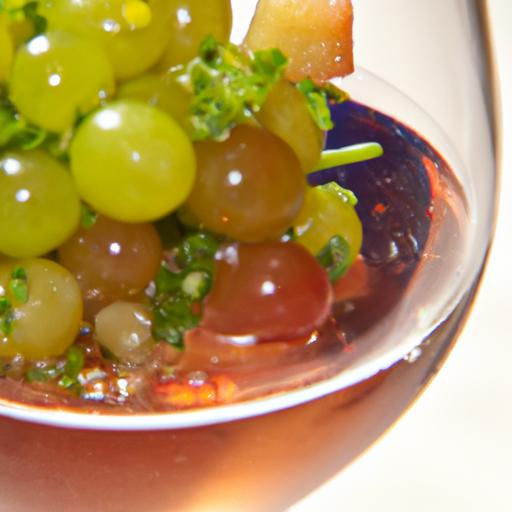


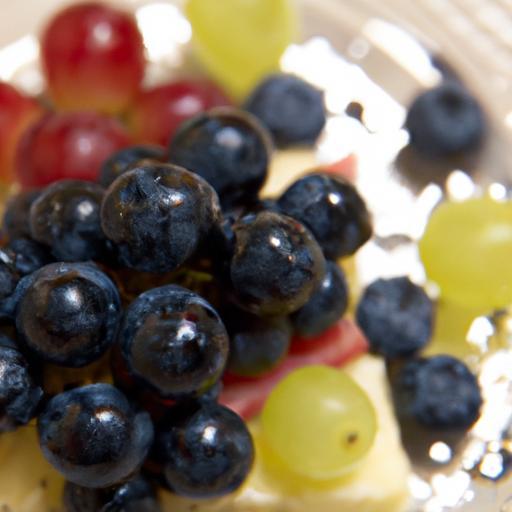
from the sun-drenched vineyards of Burgundy to the native fields of north America, grapes have long captivated the senses and shaped cultures. Among the vast variety of grape species, Chardonnay and Concord stand out-not just for their distinct flavors, but for the stories thay tell from vine to glass. Chardonnay,the elegant star of the wine world,carries centuries of tradition and terroir in every sip,while concord,with its bold,sweet character,speaks of heritage,resilience,and homegrown charm.Join us as we journey through the roots, growth, and conversion of these two remarkable grapes, uncovering how nature, nurture, and craftsmanship converge to create the spirited beverages we cherish today.
From Vine to Glass: Exploring Chardonnay and Concord Grapes reveals an extraordinary passage of nature’s bounty transformed into moments of sensory delight. These grapes aren’t just fruit; they are the essence of tradition,terroir,and craftsmanship. Weather it’s the crisp elegance of Chardonnay or the bold, fruity charm of Concord, understanding their journey brings a new level of gratitude to winemaking and pairing.
Prep and Cook Time
- Preparation Time: 15 minutes
- Fermentation/aging Time: 2-12 months (winery process)
- Harvesting Window: Late summer to early fall (varies by region)
Yield
Produces approximately 750 ml of wine (one standard bottle) from 2.5 kg of grapes, depending on pressing efficiency and grape quality.
Difficulty Level
intermediate – Requires attention to detail and patience, especially during the fermentation and aging stages, but the vineyard and harvest steps can be enjoyed hands-on with moderate experience.
Ingredients
- 2.5 kg fresh Chardonnay grapes, handpicked and destemmed
- 2.5 kg fresh Concord grapes, freshly harvested
- 5 grams wine yeast (preferably Champagne yeast for Chardonnay)
- 1 teaspoon pectic enzyme (optional, enhances juice extraction)
- Sulfur dioxide (SO2) or Campden tablets, as needed to sanitize
- Potassium metabisulfite for stabilization
- Filtered water, for adjusting must
- Campden tablets, optional for sanitation
Instructions
- Harvesting and Sorting: Carefully handpick the grapes during the early morning to preserve freshness. Remove any leaves, stems, and imperfect grapes to ensure only top-quality fruit is used.
- Crushing and Destemming: Lightly crush the grapes to release juice while avoiding crushing seeds. Remove stems to prevent bitterness, especially important for Concord grapes.
- Adding Enzymes and Sulfites: Stir in pectic enzyme gently to improve juice clarity and extraction. Add measured sulfur dioxide (or Campden tablets) to inhibit wild yeasts and bacteria before fermentation.
- Primary Fermentation: Transfer must into a sanitized fermentation vessel. Add wine yeast according to package instructions. Maintain a steady temperature between 60-70°F (15-21°C) to preserve delicate flavors in Chardonnay or enhance fruitiness in Concord. Fermentation typically lasts 7-14 days.
- Pressing: Once the fermentation slows, press the grapes to seperate juice from solids. Chardonnay often benefits from gentle pressing to avoid bitter phenolics, while Concord grapes release deeply colored juice.
- secondary Fermentation and Aging: Rack the wine off lees into a clean vessel for malolactic fermentation or clarification. Chardonnay often undergoes oak barrel aging for added complexity, while Concord wine may be aged briefly in stainless steel to preserve freshness.
- Bottling and Storage: Stabilize the wine with potassium metabisulfite to prevent oxidation. Bottle the wine carefully to avoid contamination, then store in a cool, dark place, ideally at 55°F (13°C).
Chef’s Notes: Tips for Success
- Timing the Harvest: Chardonnay grapes should be picked slightly earlier for higher acidity, while Concord grapes thrive with full ripeness for their signature boldness.
- Fermentation Control: Keep an eye on temperature and cap management (for reds) to prevent off-flavors. Using a hydrometer can definitely help track sugar levels accurately.
- Substitutions: If fresh grapes aren’t available, high-quality grape juice can be used, but won’t capture the full “From Vine to Glass” essence.
- Make-Ahead: Wine must can be refrigerated for up to 24 hours before fermentation to improve clarity but avoid longer delays.
Serving Suggestions
Chardonnay’s buttery texture and crisp acidity pair beautifully with roasted poultry, creamy risottos, or lightly grilled seafood garnished with fresh herbs. Enhance the presentation with a lemon twist or a sprig of thyme.
Concord wine’s vibrant and fruity character finds harmony alongside spicy barbecue dishes, sharp cheeses like aged cheddar, or sweet desserts featuring berries. Serve slightly chilled to accentuate freshness.
Consider a tasting flight-a side-by-side presentation with charcuterie, nuts, and dried fruits to highlight their distinct profiles.

| Nutrient | Chardonnay Wine (per 5 oz) | Concord Wine (per 5 oz) |
|---|---|---|
| Calories | 120 | 130 |
| Protein | 0.1 g | 0.1 g |
| Carbohydrates | 3.8 g | 5.0 g |
| Fat | 0 g | 0 g |
For a deeper dive into wine styles and pairing, you can explore our Ultimate Wine Pairing Guide. Also, the Wine Enthusiast’s Chardonnay Evolution offers valuable insights on varietal trends and terroir impact.
Q&A
Q&A: From Vine to glass – Exploring Chardonnay and Concord grapes
Q1: What makes Chardonnay and Concord grapes uniquely special in the world of viticulture?
A: Chardonnay and Concord grapes are like two siblings with very different personalities. Chardonnay, the aristocrat of the wine world, is prized for its versatility and ability to express terroir-from crisp, minerally Burgundy whites to rich, buttery Californias. Concord,on the other hand,is the spirited folk hero,celebrated for its bold,sweet flavor and deep purple hue,commonly found in juices,jellies,and boldly flavored wines in the U.S. Their uniqueness lies in their genetic lineage and the very different climates and soils in which they thrive, offering a fascinating glimpse into grape diversity.
Q2: How do the growing conditions for Chardonnay and Concord grapes differ?
A: Chardonnay grapes flourish in cooler climates with well-drained soils, often found in regions like Burgundy, France, and parts of California. They need a delicate balance of sunshine and cool nights to develop their complex aroma profiles. Concord grapes prefer a more temperate climate and are incredibly hardy, thriving in the northeastern United States with its humid summers and cold winters. This resilience makes Concord a favorite for home growers and small-scale vineyards in challenging climates.Q3: Can you describe the flavor profiles of wines made from Chardonnay versus Concord grapes?
A: Chardonnay wines can be as varied as a painter’s palette-ranging from crisp green apple and lemon zest notes in unoaked versions, to creamy vanilla and toasted almond characters when aged in oak barrels. Concord wines present a striking contrast; their flavor is vivid and sweet, frequently enough reminiscent of grape candy or jelly, with a musky, fruity punch that pairs wonderfully with comfort foods and desserts.
Q4: What does the journey from vine to glass look like for these grapes?
A: Both grapes begin their journey as tender clusters hanging on the vine, but their paths diverge quickly. Chardonnay grapes require careful hand-harvesting at just the right ripeness to preserve their delicate acidity. They are gently pressed and frequently enough fermented in stainless steel or oak, allowing winemakers to tailor the style. Concord grapes, with thicker skins and high sugar levels, are typically harvested a bit later, crushed, and frequently fermented with their skins to extract that intense color and flavor. While Chardonnay transforms into elegant wines savored at fine dinners,Concord often becomes approachable,fruit-forward wines and beloved grape juice.Q5: Why should wine lovers explore both Chardonnay and Concord varieties?
A: Embracing both Chardonnay and Concord is like enjoying two sides of the grape spectrum. Chardonnay offers sophistication, complexity, and an possibility to trace the influence of terroir in a glass. Concord invites nostalgia,bold fruitiness,and a taste of Americana that’s both comforting and fun. Together, they expand your palate, enrich your appreciation for viticulture’s diversity, and deepen your understanding of how grape varieties shape our drinking experiences.
Q6: Are there any captivating historical or cultural stories behind these grapes?
A: Absolutely! Chardonnay’s story is steeped in centuries of French winemaking tradition, evolving through noble estates and global terroirs. Concord, named after Concord, Massachusetts, is linked to American pioneer Ephraim Wales Bull, who in the 19th century bred it to create a grape that could withstand New England’s tough winters. It became a cornerstone of American grape culture, symbolizing innovation and regional pride.Whether you sip a glass of meticulously crafted Chardonnay or enjoy the vibrant zest of Concord wine, you’re partaking in a rich narrative that spans continents, climate, and centuries-truly, a journey from vine to glass.
Insights and Conclusions
From the sun-drenched vineyards where Chardonnay clusters sway gently in the breeze to the vibrant Concord grapes bursting with autumn’s essence, the journey from vine to glass is a testament to nature’s artistry and human craftsmanship. Each sip tells a story-whether it’s the crisp elegance of a Chardonnay crisping the palate or the bold, nostalgic sweetness of concord echoing childhood memories. By exploring these two distinctive grapes,we glimpse the rich tapestry of flavors and traditions that define the world of wine and juice alike. So next time you raise your glass, remember the remarkable voyage those grapes undertook, transforming from humble fruit into a party of taste, terroir, and time. Cheers to the journey, from vine to glass!