

Beneath the shimmering surface of the world’s oceans lies a mesmerizing spectacle frequently enough overlooked-a swirling,silver cloud of sardines moving in perfect harmony. Known as the “sardine bowl,” this remarkable phenomenon is nature’s tiny ocean marvel, were thousands of these small fish create a living fortress against predators. But beyond its captivating beauty, the sardine bowl holds secrets about marine ecosystems, survival strategies, and the delicate balance of life under the sea. In this article, we dive deep into the science and wonder of the sardine bowl, uncovering the intricate behaviors and ecological importance of these diminutive yet mighty ocean voyagers.
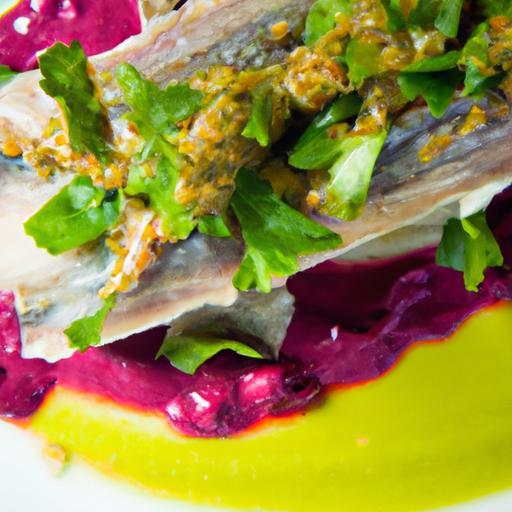
Inside the Sardine bowl: Exploring Nature’s Tiny Ocean Marvel has inspired this vibrant recipe capturing the essence of sardines-those shimmering, delicate fish that embody the wonder of collective living in our oceans. Drawing from coastal Mediterranean traditions, this dish celebrates sardines’ natural brilliance and their pivotal role in marine ecosystems. I recall a sunlit morning in a small fishing village where I first tasted a freshly grilled sardine platter, smoky and succulent, surrounded by laughter and stories of the sea. This recipe invites you to recreate that moment at home,a delicious nod to nature’s tiny ocean marvels.
Prep and Cook Time
- Readiness: 15 minutes
- Cooking: 10 minutes
- Total Time: 25 minutes
Yield
serves 4
Difficulty Level
Easy
ingredients
- 800g fresh sardines, cleaned and gutted
- 3 tbsp extra virgin olive oil
- 2 garlic cloves, thinly sliced
- 1 lemon, zest and juice
- 1 tsp smoked paprika
- Fresh parsley, finely chopped (2 tbsp)
- 1 tsp sea salt
- Freshly ground black pepper, to taste
- 1 small chili, deseeded and finely chopped (optional)
- Crusty bread, for serving
Instructions
- Prepare the sardines: Rinse the sardines under cold water and pat them dry with paper towels to ensure they crisp beautifully when cooked.
- Marinate: In a bowl, combine the olive oil, garlic slices, lemon zest, smoked paprika, chili (if using), sea salt, and black pepper. Add the sardines and toss gently to coat. Let rest for 10 minutes to infuse flavors.
- Preheat your grill or skillet: Heat a cast-iron skillet or outdoor grill pan over medium-high heat.
- Cook sardines: Lay the sardines skin-side down and cook for about 3-4 minutes until the skin crisps and chars slightly. Flip carefully and cook for another 2-3 minutes until just cooked through.
- Finish with lemon juice and parsley: Remove from heat, drizzle with fresh lemon juice, and sprinkle the chopped parsley over the sardines for a burst of color and freshness.
- Rest and serve: Let the sardines rest for a minute to allow flavors to meld before serving with warm crusty bread that soaks up every drop of the tangy, smoky juices.
Tips for Success
- Choose the freshest sardines available-shining eyes and firm flesh yield the best results.
- For an even smokier flavor, finish sardines over a charcoal grill or charcoal-flavored plank.
- If fresh sardines aren’t at hand, high-quality frozen sardines can be thawed gently in the refrigerator overnight.
- Balance the heat by adjusting chili quantity or omitting it for a milder dish.
- This recipe can be partially prepared ahead by marinating sardines for up to an hour before cooking.
Serving Suggestions
Serve your grilled sardines alongside a fresh and crisp fennel and orange salad or a simple tomato and basil bruschetta. A glass of chilled dry white wine, such as Albariño or Vermentino, elevates this dish to an unforgettable coastal feast. Garnish with lemon wedges and an additional sprinkle of fresh parsley for a lively presentation.

nutritional Information per Serving
| Calories | Protein | Carbs | Fat |
|---|---|---|---|
| 220 kcal | 25 g | 1 g | 12 g |
For further insights on sustainable fishing, explore the FAO Sustainable Fishing Practices. Discover more seafood recipes that honor the ocean’s bounty in our Seafood Cooking Tips article.
Q&A
Q&A: Inside the Sardine Bowl – exploring Nature’s Tiny Ocean Marvel
Q: What exactly is a “sardine bowl,” and why is it called that?
A: The term “sardine bowl” poetically describes the mesmerizing phenomenon when thousands-sometimes millions-of sardines swim tightly packed together in shimmering, undulating formations.Much like sardines snugly packed in a tin can, these small fish huddle for protection, creating a living, moving sphere or swirling mass that looks like a tiny ocean marvel from below.
Q: Why do sardines form such enormous, dense schools?
A: Safety in numbers is the secret of the sardine bowl. By schooling tightly, sardines create confusion for predators, drastically lowering each fish’s chances of becoming a snack. This dynamic dance also allows them to conserve energy and navigate ocean currents more efficiently, transforming vulnerability into collective strength.
Q: How does the sardine bowl impact the marine ecosystem?
A: Sardines play a vital role in ocean ecology as both prey and predator. Their massive schools provide a crucial food source for larger fish, seabirds, and marine mammals. At the same time, sardines help regulate plankton populations by feasting on tiny phytoplankton and zooplankton.Essentially, the sardine bowl is an energetic hub, driving nutrient cycles and supporting rich biodiversity.
Q: Can we observe a sardine bowl in the wild, and where?
A: Yes! Some of the most spectacular sardine runs happen along the coasts of south Africa, Australia, and parts of the Pacific Northwest. During these seasonal migrations, the oceans come alive with shimmering silver clouds, attracting an array of predators and turning the sea into one giant natural aquarium that captivates divers and marine enthusiasts alike.
Q: What makes the sardine’s schooling behavior so interesting to scientists?
A: Sardines exhibit a near-perfect example of collective behavior-a ballet of instinct and communication with no central leader. By studying sardine schools, scientists gain insights into how individual actions contribute to complex group dynamics, offering clues applicable beyond marine biology, from robotics to crowd management.
Q: how do human activities affect the sardine bowl phenomenon?
A: Overfishing, climate change, and pollution can disrupt sardine populations and their intricate schooling behavior. Changes in ocean temperature and plankton abundance affect sardine migration patterns, sometimes shrinking the sardine bowl or altering its timing. Protecting these tiny ocean marvels ensures the health of the broader marine web.
Q: What can readers take away from learning about the sardine bowl?
A: The sardine bowl is more than a fish frenzy-it’s a vivid reminder that even the smallest creatures in nature have profound roles and astonishing strategies for survival. By appreciating the sardines’ sparkling spectacle, we can deepen our respect for ocean life and the delicate balance sustaining it.After all, in nature’s vast ocean, tiny marvels often ripple into splendid stories.
Key Takeaways
As we drift away from the shimmering spectacle of the sardine bowl, it’s clear that these tiny ocean marvels are far more than just a mesmerizing show beneath the waves. They are vital threads in the intricate tapestry of marine life, shaping ecosystems and supporting countless species in ways both grand and subtle. By peering inside this swirling dance of silver,we gain not only awe for nature’s creativity but also a deeper understanding of the delicate balance sustaining our oceans. Next time you glimpse a sardine school, remember-their small size belies a mighty role in the vast, blue world we all share.