

Nestled at the crossroads of ancient civilizations and vibrant cultures, Lebanese cuisine is a tapestry of flavors that tells a story of tradition, hospitality, and culinary artistry. The Lebanese bowl, a harmonious medley of fresh ingredients, aromatic spices, and time-honored recipes, invites food lovers on a delicious journey through the heart of Lebanon’s rich gastronomic heritage. From the crisp crunch of tabbouleh to the creamy indulgence of hummus, each bite is a party of nature’s bounty and centuries-old techniques passed down through generations. Join us as we explore the Lebanese bowl-a vibrant dish that not only nourishes the body but also connects us to a timeless cultural legacy.
Exploring the Rich Heritage of Lebanese Cuisine
The Lebanese Bowl is more than just a meal; it is a vibrant celebration of centuries-old culinary traditions and fresh, wholesome ingredients. Rooted deeply in Lebanon’s ancient Levantine culture, this dish beautifully represents the harmony of flavors that Lebanese cuisine is renowned for-zesty, herbaceous, creamy, and earthy all at once. I still remember my first taste of a Lebanese bowl at a quaint Beirut market stall, where the aroma of freshly toasted za’atar and the bright tang of sumac mingled in the air, instantly transporting me to a place where food tells stories. Today, crafting the perfect Lebanese bowl at home is an inviting way to embrace this heartwarming heritage.
Signature ingredients That Define the Lebanese Bowl
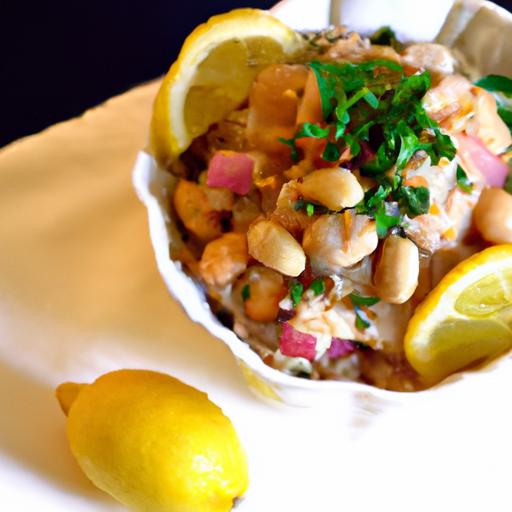
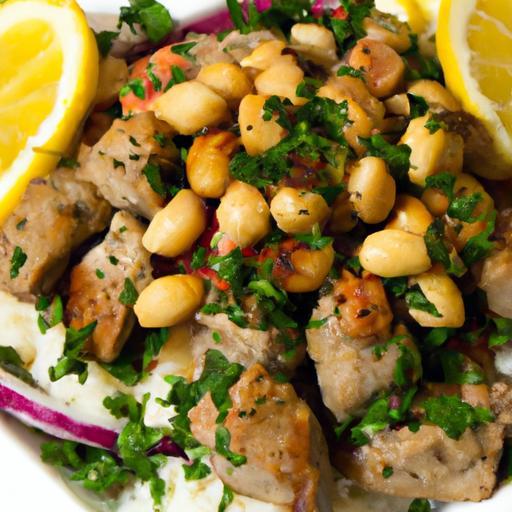
At the core of every Lebanese Bowl lies a handful of iconic ingredients that work together to create a canvas bursting with texture and flavor. Fresh herbs like parsley and mint bring brightness, while sumac dusted from tangy red berries adds a citrusy punch. Smooth and creamy hummus and labneh (strained yogurt) deliver richness, balanced perfectly with the nutty, wholesome bite of bulgur wheat or cooked pearl couscous. Roasted pine nuts, caramelized onions, and a drizzle of extra virgin olive oil top off the bowl, elevating it to aromatic bliss. The interplay of textures-from crisp cucumbers and tomatoes to soft chickpeas and fluffy grains-is essential in capturing the authenticity of this dish.
Crafting the Perfect Lebanese Bowl at Home
Prep and Cook Time
- Preparation: 20 minutes
- cooking: 25 minutes
- Total Time: 45 minutes
Yield
- Serves 4 hearty portions
Difficulty Level
- medium – perfect for home cooks ready to explore new flavors and layering techniques
Ingredients
- 1 cup bulgur wheat (or pearl couscous), rinsed
- 1 1/2 cups boiling water
- 1 can (15 oz) chickpeas, drained and rinsed
- 1 medium cucumber, diced
- 2 medium tomatoes, chopped
- 1 small red onion, finely chopped
- 1 cup fresh parsley, chopped
- 1/2 cup fresh mint leaves, chopped
- 1/4 cup pine nuts
- 1/2 cup hummus (store-bought or homemade)
- 1/2 cup labneh
- 2 tbsp extra virgin olive oil, plus more for drizzling
- 1 tsp ground sumac
- Juice of 1 lemon
- Salt and freshly ground black pepper, to taste
- Optional garnish: pomegranate seeds, fresh radish slices
Instructions
- Prepare the bulgur: Place the rinsed bulgur wheat in a large bowl.Pour boiling water over it, cover tightly with a lid or plastic wrap, and let it soak for 15-20 minutes until tender and fluffy.Fluff with a fork once absorbed.
- Toast pine nuts: While bulgur soaks, heat a dry skillet over medium heat. Add pine nuts and toast for 2-3 minutes, stirring constantly until golden and fragrant. Remove and set aside.
- Make the dressing: In a small bowl, whisk together lemon juice, olive oil, sumac, salt, and pepper.
- Combine fresh ingredients: in a large serving bowl, toss diced cucumber, tomatoes, red onion, parsley, and mint with half the dressing. Adjust seasoning to taste.
- Layer the bowl: Start with the fluffed bulgur as the base, then add the fresh vegetable-herb mixture on top. Scatter chickpeas evenly across the surface.
- Add creamy accents: Spoon dollops of hummus and labneh in concentric circles around the bowl.
- Finish with toppings: Sprinkle toasted pine nuts and optional pomegranate seeds or radish slices over the bowl. Drizzle extra olive oil and remaining dressing for an aromatic, glossy finish.
- Serve immediately: Present with extra lemon wedges and warm pita or flatbread to scoop up every flavorful bite.
Tips for Success
- For a gluten-free twist, substitute bulgur with quinoa or cauliflower rice; the bowl remains equally vibrant.
- Roasting the chickpeas with smoked paprika and cumin enhances their texture and depth.
- Make the whole bowl ahead by prepping individual components, then assemble just before eating for freshness.
- Labneh can be swapped with Greek yogurt for a milder tang and creaminess.
- Use fresh, high-quality olive oil-it truly shines as the final drizzle, adding richness and gloss.
Serving Suggestions
This Lebanese Bowl stands as a centerpiece for casual lunches or festive dinners. For an elevated experience, serve alongside classic mezze like stuffed grape leaves, grilled halloumi, or freshly baked manakish. Garnishing with vibrant pomegranate arils and sprigs of mint injects both color and a burst of freshness. Pair with a chilled glass of mint lemonade or a light red wine to balance the citrusy and creamy elements. Encourage guests to assemble bites combining the creamy hummus, tangy labneh, and crisp vegetables, scooped with warm pita bread for a truly immersive taste of Lebanese culture.
| Nutrient | Per Serving |
|---|---|
| Calories | 420 kcal |
| Protein | 15 g |
| Carbohydrates | 52 g |
| Fat | 14 g |

Discover more authentic Middle Eastern recipes in our authentic Lebanese mezze guide for perfect side dishes and flavor inspirations. For detailed nutritional insights into Lebanese staples, visit Medical News Today.
Q&A
Q&A: Lebanese Bowl – A Delicious Journey Through Customary Flavors
Q1: What exactly is a lebanese Bowl?
A Lebanese Bowl is a vibrant, flavorful dish that brings together the essence of Lebanese cuisine in one nourishing meal. Think of it as a beautifully crafted bowl filled with a variety of traditional ingredients like hummus, tabbouleh, grilled meats, fresh vegetables, and zesty sauces, all harmonizing to create a balanced and satisfying experience.
Q2: How does the Lebanese bowl reflect traditional Lebanese flavors?
The Lebanese Bowl is a celebration of the region’s culinary heritage. It incorporates staple ingredients such as chickpeas, garlic, lemon, olive oil, and fragrant herbs like parsley and mint. Each component tells a story-be it the smoky warmth of grilled lamb,the tangy brightness of sumac,or the creamy richness of tahini-inviting you to explore Lebanon’s rich tapestry of tastes with every bite.
Q3: Is the Lebanese Bowl suitable for vegetarians or vegans?
Absolutely! The beauty of the Lebanese bowl lies in its versatility. It can easily be customized to cater to vegetarian and vegan diets by emphasizing plant-based ingredients like falafel, lentils, roasted veggies, and an abundance of fresh herbs. The marriage of textures and flavors in plant-based Lebanese fare is anything but boring-its a feast of wholesome goodness.
Q4: What makes Lebanese cuisine unique compared to other Middle Eastern dishes?
Lebanese cuisine stands out for its balance of fresh, bright flavors and its emphasis on sharing. Unlike some heavier middle Eastern fare, lebanese dishes frequently enough focus on freshness-think citrusy dressings, herbal notes, and lightly grilled proteins. The cuisine also prides itself on mezze culture-a social way of eating that brings people together over small plates, showcasing diversity and hospitality.
Q5: How can I recreate an authentic Lebanese Bowl at home?
Start with a base of fluffy rice or warm flatbread, then layer in your choice of proteins-grilled chicken shawarma, spiced lamb, or crispy falafel. Add a healthy scoop of tabbouleh or fattoush salad for crunch and freshness. Don’t forget the classics: dollops of creamy hummus and baba ganoush, a sprinkle of toasted pine nuts, and a drizzle of tangy lemon-tahini sauce. Finish it off with a side of pickled turnips or fresh mint for that authentic touch. Experiment with spices like sumac and za’atar to unlock that unmistakable Lebanese magic.
Q6: Why is the Lebanese Bowl gaining popularity worldwide?
In a world craving both convenience and authenticity, the Lebanese Bowl fits perfectly. It’s a wholesome,flavorful meal that’s easy to customize and packed with nutrients. Its colorful presentation also appeals to the eye and the palate, making it a go-to option for health-conscious foodies and anyone eager to explore global flavors. Plus, its roots in communal, aromatic cuisine make it a delicious ambassador of lebanese culture everywhere.
The Conclusion
as we close the chapter on this flavorful exploration, the Lebanese bowl stands out as more than just a meal-it is a vibrant tapestry of history, culture, and culinary artistry. Each bite invites you to savor the harmonious blend of fresh herbs, tangy spices, and wholesome ingredients that have been lovingly passed down through generations. Whether you’re a seasoned foodie or a curious newcomer, the Lebanese bowl offers a delicious journey into traditional flavors that continue to inspire and delight palettes around the world. So next time you crave a meal that tells a story, remember that within a humble bowl lies the heart of Lebanon waiting to be discovered.