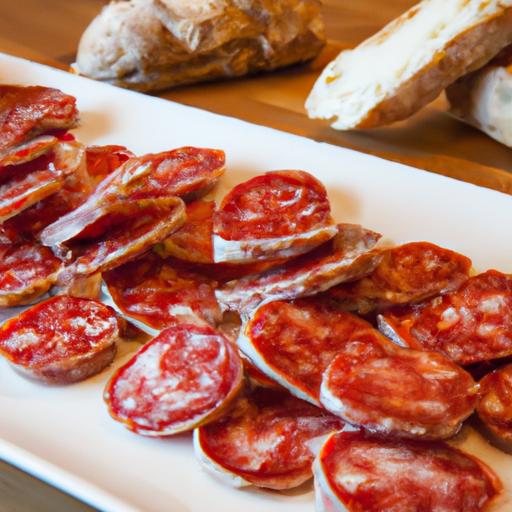


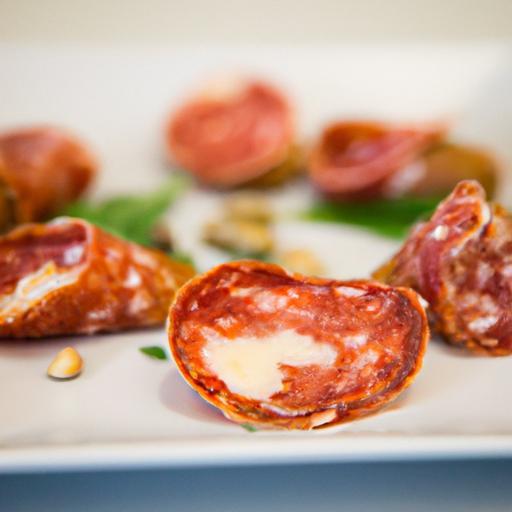
Nestled deep within the sun-soaked hills of Calabria, a fiery treasure has been quietly sizzling on Italian tables for centuries. Meet ‘Nduja: a spreadable salami that defies convention with its bold spice, rich texture, and unapologetic heat. More than just a charcuterie star, ‘Nduja is a tasty enigma wrapped in tradition and wrapped in chili, inviting adventurous palates to explore a world where fire meets flavor in every luscious bite. In this article, we peel back the layers of this spicy delicacy-uncovering its origins, crafting secrets, and the reasons why ‘nduja is igniting kitchens and menus far beyond its southern roots. Get ready to dive into the irresistible story of ’Nduja,the fiery spreadable salami secret you never knew you needed.
Discovering the Fiery Heritage and Art Behind NdujaS Bold heat
Nduja, a spicy, spreadable salami hailing from Calabria, Italy, embodies centuries of culinary tradition infused with the region’s love for bold, fiery flavors. This robust pork-based delight is blended generously with smoky, sun-dried Calabrian chilies, creating its signature heat and vibrant red hue.I first fell in love with nduja during a rustic Italian market visit, where its intense aroma and creamy texture revealed a unique depth that’s concurrently rustic and refined. Its artisanal preparation combines skillful seasoning, curing, and fermentation, turning humble cuts of pork and fiery peppers into an irresistible culinary treasure that elevates dishes with effortless spice and savory richness.
Prep and cook Time
- Preparation: 10 minutes
- Cooking: 15 minutes
- Total Time: 25 minutes
Yield
Serves 4-6 as an appetizer or flavor booster.
Difficulty Level
Easy to Medium – Ideal for adventurous home cooks.
Ingredients
- 150g nduja (spicy Calabrian spreadable salami)
- 200g penne or rigatoni pasta
- 2 tbsp extra virgin olive oil
- 3 cloves garlic, thinly sliced
- 1 small red onion, finely chopped
- 400g canned crushed tomatoes
- Handful fresh basil leaves, roughly torn
- Salt and freshly ground black pepper, to taste
- Grated Pecorino Romano cheese, for serving
Instructions
- Cook the pasta: Bring a large pot of salted water to a boil. Add the pasta and cook until al dente according to package instructions, usually 11-13 minutes. Reserve ½ cup of pasta water before draining.
- Prepare the sauce base: While pasta cooks, heat olive oil in a large skillet over medium heat. Add the sliced garlic and chopped onion, sautéing until golden and fragrant, about 5 minutes. Stir frequently to avoid burning.
- melt in nduja: lower the heat and crumble the nduja into the skillet. Allow it to gently melt into the oil, stirring constantly to incorporate its smokey, spicy fats.
- Add tomatoes and simmer: Pour in the crushed tomatoes, stirring to blend all flavors. Let the sauce gently simmer for 8-10 minutes, stirring occasionally. Adjust seasoning with salt and pepper.
- Combine pasta and sauce: Toss the drained pasta into the skillet with the sauce. Add reserved pasta water a little at a time until the sauce reaches a silky consistency that clings beautifully to each pasta tube.
- Finish and serve: Stir in fresh basil leaves and transfer to serving bowls. Generously sprinkle Pecorino Romano cheese on top for a sharp, salty contrast that balances nduja’s heat.
chef’s Notes: Tips for Success
- Balancing heat: If you prefer milder spice, start with half the recommended nduja, then gradually add more to taste.
- Making ahead: The sauce can be prepared a day ahead; reheat gently and add a splash of pasta water before tossing with fresh pasta.
- Creative substitutions: Substitute penne with bucatini or even roasted vegetables for a low-carb option that soaks up the nduja’s bold flavor.
- Layering flavors: Adding a splash of dry white wine to the sauce after melting the nduja adds depth and a hint of acidity.
- Vegetarian twist: Though conventional nduja is pork-based,you can experiment with spicy vegan spreads or smoked paprika mixtures for a similar flavor punch.
Serving Suggestions to Elevate Your Nduja Experience
Serve nduja-infused pasta garnished with fresh basil for fragrant brightness. For a rustic antipasto platter, scoop nduja onto toasted sourdough slices and top with a drizzle of honey to balance the heat. Alternatively, swirl nduja into creamy polenta or roasted root vegetables to add smokiness and spice without overwhelming the dish. Complement nduja’s boldness with a chilled glass of robust red wine, such as a Nero d’Avola, or crisp Italian whites like Verdicchio to refresh the palate.lastly, present your dish with a sprinkle of toasted pine nuts or a few shards of aged Pecorino for stunning texture and contrast.
| Nutrient | Per Serving |
|---|---|
| Calories | 420 kcal |
| Protein | 18 g |
| Carbohydrates | 45 g |
| Fat | 15 g |
Expert storage Tips to Maximize Freshness
Because nduja is a cured and heavily spiced salami, it preserves well but is best stored refrigerated in an airtight container onc opened to prevent it from drying out. It can last up to two weeks in the fridge if tightly sealed.for longer storage, wrap nduja in parchment paper and freeze in small portions, thawing only what you need to retain that fresh, fiery flavor. Avoid direct contact with metallic containers to preserve its texture and prevent off-flavors. When preparing sauces or spreads, incorporating nduja last ensures its robust flavor remains vibrant through cooking.
For more inspiration on italian cured meats and authentic recipes,explore our comprehensive guide to Italian charcuterie. To delve deeper into nduja’s cultural significance, visit The Ark of Taste by Slow Food, spotlighting endangered traditional foods like nduja.

Q&A
Nduja Unwrapped: The Fiery Spreadable Salami Secret – Q&A
Q1: What exactly is ‘Nduja?
A1: Imagine spicy, smoky salami met a luscious, spreadable texture-that’s nduja. Hailing from Calabria, Italy’s sun-drenched toe, nduja is a fiery, soft pork sausage paste packed with chili peppers, giving it its signature heat and vibrant red hue. It’s the spicy soul of southern Italian cuisine wrapped in a modest, rustic casing.
Q2: How did nduja get its start?
A2: Nduja’s roots run deep in Calabria’s poor, rural past, where nothing of the pig was wasted. Using fatty pork cuts and abundant local chili peppers, Calabrians created this cheap yet flavorful spread to stretch ingredients and ignite their dishes. It’s a culinary patchwork of resourcefulness and passion.
Q3: what makes nduja different from other salamis?
A3: Unlike firm, sliceable salamis, nduja is uniquely soft and spreadable, thanks to its high fat content and fine grinding. plus, its fiery chili hit isn’t just a background note-it’s the star, delivering a smoky, spicy punch that lingers. It’s almost like salami met hot sauce and had a deliciously messy love child.
Q4: How do you eat nduja?
A4: Nduja is incredibly versatile.Slather it onto crusty bread for a fiery snack; melt it into pasta sauces for a spicy twist; dollop it on pizza for a flavor explosion; or even stir it into scrambled eggs to start the day with a kick. The spread’s rich, spicy essence transforms simple dishes into bold Italian statements.
Q5: Is nduja very spicy?
A5: Yes! Nduja means business when it comes to heat. The generous inclusion of Calabrian chili peppers sets it apart with a sustained warmth that tickles your taste buds without overwhelming them. Think of it as a friendly fire-welcoming but definitely not for the faint of heart.
Q6: Can you cook with nduja or is it just a condiment?
A6: Absolutely, it’s a culinary chameleon. Nduja shines both raw-spread on bread or cheese boards-and cooked-melting seamlessly into sauces, stews, or even roasted veggies.Cooking mellows and blends its heat, infusing dishes with a smoky complexity that’s utterly addictive.
Q7: Where can I find authentic nduja?
A7: Authentic nduja is most commonly found in Italian specialty stores or high-end markets. Look for products labeled “Nduja di Spilinga,” which hints at the traditional production town in Calabria known for superior quality. Online Italian delis also ship this fiery treasure worldwide.
Q8: Can I make nduja at home?
A8: Making nduja is a labor of love requiring pork shoulder, fat, Calabrian chilies, salt, and a curing process. While doable for serious charcuterie enthusiasts, it’s complex and time-consuming. For most, savoring authentic nduja straight from Calabria is the way to truly taste tradition.
Q9: why is nduja gaining popularity worldwide?
A9: In a world hungry for bold, authentic flavors, nduja’s spicy, spreadable charm is captivating foodies and chefs alike. Its ease of use and intense flavor profile add instant depth to modern dishes, making it a trendy secret weapon in kitchens from New York to Tokyo.
Q10: What’s the best way to store nduja?
A10: Keep nduja refrigerated, wrapped tightly to preserve moisture and prevent it from absorbing other fridge aromas. Once opened, aim to enjoy it within a couple of weeks. Some aficionados freeze small portions to enjoy bursts of fiery goodness anytime.
Nduja isn’t just a salami; it’s a spicy story in a spread-intense, rustic, and unforgettable. Unwrap the secret and let your palate blaze a little.
The Conclusion
Whether you’re a culinary adventurer or a curious foodie, nduja offers a spicy gateway into the rich tapestry of Southern Italian flavors. This fiery, spreadable salami isn’t just a condiment-it’s an invitation to experience tradition, craftsmanship, and a dash of boldness in every bite. From rustic pastas to gourmet pizzas, understanding nduja’s origins and unique texture unlocks endless possibilities in the kitchen. So next time you crave something with a kick, reach for this secret spread and let your taste buds embark on a deliciously smoky, peppery journey that’s as vibrant as calabria itself.