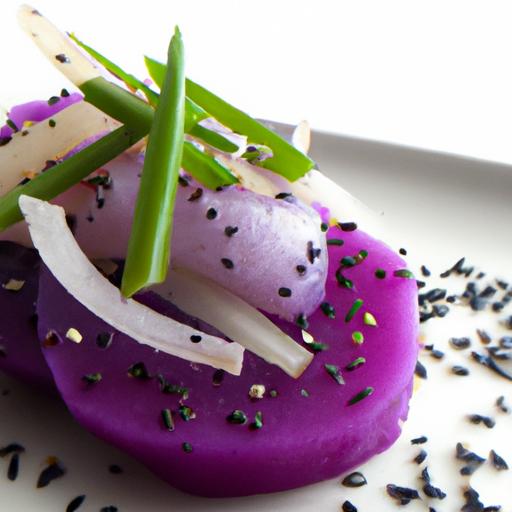


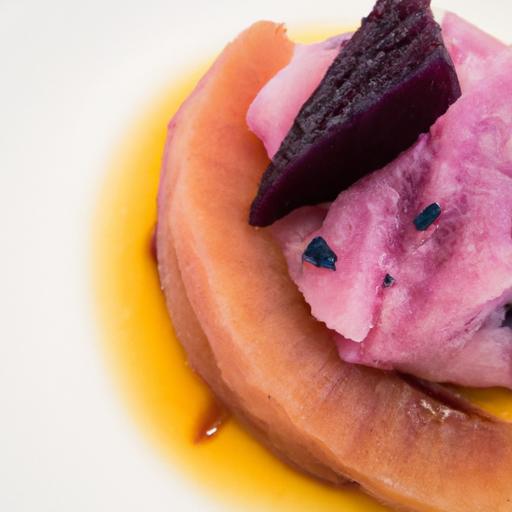
Nestled deep within the vibrant tapestry of Southeast Asian cuisine lies a captivating treasure: the purple yam,lovingly known as ube. With its striking violet hue and naturally sweet,nutty flavor,ube has transcended conventional boundaries to become a beloved ingredient in desserts around the world.”Purple Yam Ube Dream: A Sweet Journey into Flavor” invites you to explore the rich history, cultural meaning, and irresistible taste of this enchanting tuber. from humble beginnings in Filipino kitchens to trendy cafes and patisseries globally, ube’s rise is a testament to the magic that happens when nature’s colors meet culinary creativity. Join us as we unravel the story behind the purple yam and discover why it continues to inspire sweet dreams for food lovers everywhere.
Purple Yam ube Dream offers a captivating glimpse into the rich culinary tapestry woven by the vibrant purple yam ube. Hailing from the heart of the Philippines, this root vegetable has been cherished for centuries, celebrated not only for its striking lavender hue but also for its distinctive, sweet, and nutty flavor. whether you first encountered it in a decadent halo-halo or a creamy ube halaya, this ingredient’s unique appeal lies in its cultural depth and versatile culinary applications.
Prep and Cook time
Preparation: 15 minutes | Cooking: 45 minutes | Total Time: 1 hour
Yield
Makes approximately 4 servings
difficulty Level
Medium – Perfect for adventurous home cooks willing to dive into traditional flavors with modern twists.
Ingredients
- 2 cups purple yam ube, peeled and cubed
- 1 cup coconut milk, full fat
- 3/4 cup granulated sugar
- 1/2 cup evaporated milk
- 2 tablespoons unsalted butter
- 1 teaspoon vanilla extract
- Pinch of salt
Instructions
- Steam the purple yam ube cubes until tender, about 25 minutes. This ensures a naturally sweet and creamy base. Drain and let cool slightly.
- Mash the steamed ube with a fork or potato masher until smooth but still slightly textured for a rustic feel.
- In a heavy-bottomed pan over medium heat, combine the mashed ube, coconut milk, evaporated milk, sugar, and butter. Stir continuously to prevent sticking and clumping.
- Cook the mixture for 15-20 minutes, stirring constantly. It should thicken into a luscious, pudding-like consistency. Patience here is key for that perfect creamy texture.
- Remove from heat and stir in vanilla extract and a pinch of salt to enhance and balance the sweetness.
- Transfer the ube halaya into a greased dish and allow it to cool to room temperature before refrigerating for at least 2 hours to set.
- Once chilled, garnish with toasted coconut flakes or crushed pistachios for a delightful crunch and vibrant contrast.
Tips for Success: Elevate Your Purple Yam Ube Dream
- For a richer taste, swap evaporated milk with heavy cream or coconut cream, but adjust sugar as needed.
- use fresh purple yam ube when possible; frozen varieties work but may require longer cooking to remove excess moisture.
- sauté the cooked ube lightly in butter before mashing for a nuttier depth of flavor.
- To make ahead: Prepare up to step 5, then cool and refrigerate for up to three days. Reheat gently over low heat before serving.
- Substitutions: For a vegan version, use coconut sugar and coconut cream exclusively, omitting butter or replacing with coconut oil.
Creative Culinary Uses to Elevate Your ube Experience
Beyond the traditional halaya, the purple yam ube lends itself beautifully to innovative dishes. Imagine fluffy ube pancakes swirled with coconut syrup, velvety ube ice cream crowned with caramelized bananas, or even a delicate chiffon cake layered with ube buttercream. Its brilliant violet shade makes every dish photogenic and festive, inviting endless experimentation.
Serving Suggestions
- Serve chilled with a dollop of whipped cream and a sprinkle of crushed toasted macadamia nuts for texture.
- Pair with tropical fruits like mango or pineapple for a luminous counterbalance to the rich sweetness.
- try spreading the purple yam ube halaya on warm brioche or soft pancakes to create an irresistible brunch treat.
- for added indulgence, drizzle warm coconut caramel sauce over a slice and garnish with edible flowers.

Nutritional Information per Serving
| Nutrient | Amount |
|---|---|
| Calories | 230 kcal |
| Protein | 3 g |
| Carbohydrates | 40 g |
| Fat | 6 g |
Intrigued? Explore how to incorporate the vibrant hues of tropical fruits into your desserts or learn more about the health benefits of purple yams from NCBI Nutritional Studies.
Q&A
Q&A: Purple Yam Ube Dream – A Sweet Journey into Flavor
Q1: what exactly is ube, and why is it gaining so much popularity?
A1: Ube, also known as purple yam, is a vibrant violet root vegetable native to the Philippines. Beyond its stunning color lies a subtly sweet, nutty flavor that makes it a versatile star in desserts. Its surge in popularity comes not just from its stunning hue but from its unique taste and cultural richness, inspiring chefs and home bakers worldwide.
Q2: How does ube differ from other purple foods like purple sweet potatoes or taro?
A2: While ube, purple sweet potatoes, and taro all boast purple shades, ube stands out with its creamy, almost vanilla-like sweetness and denser texture. Purple sweet potatoes tend to be earthier and less sweet, while taro has a nuttier flavor with a different texture. Ube’s distinctive profile makes it a dream ingredient for desserts.
Q3: what traditional dishes highlight ube in Filipino cuisine?
A3: Ube shines in many Filipino treats-think ube halaya (a luscious purple yam jam), halo-halo (a colorful shaved ice dessert), and bibingka infused with its flavor. Each dish showcases ube’s versatility, whether mashed, cooked, or baked, offering sweet comfort and a cultural connection.
Q4: Can you describe the flavor journey when tasting an ube dessert?
A4: First, your eyes feast on the rich purple hue, sparking curiosity.The first bite unfolds a mellow sweetness, subtly earthy and nutty, with creamy undertones that linger. It’s less sugary than many sweets, inviting you to savor each spoonful-a gentle, dreamlike escape into flavor.
Q5: How can home cooks incorporate ube into their recipes?
A5: Ube comes in many forms-fresh, frozen, powdered, or as halaya jam-making it accessible for home cooking. Try mixing ube jam into cakes, swirl it into ice cream, or create no-bake cheesecakes.Its vibrant color adds visual flair while the flavor adds an exotic twist to familiar treats.
Q6: Is ube nutritious,or is it just a pretty dessert ingredient?
A6: Ube isn’t just eye candy; it’s packed with nutrients. It’s rich in vitamins A and C,antioxidants,and dietary fiber,making it a wholesome addition to sweet dishes. While it’s enjoyed mostly as a dessert, ube offers health benefits that align with its natural, earthy charm.
Q7: What’s the best way to store ube to maintain its flavor and quality?
A7: Fresh ube should be kept in a cool, dry place and used within a couple of weeks. For longer storage, ube halaya and powders can be refrigerated or frozen, preserving their flavor and vibrancy. Treating ube gently, like a precious gemstone, helps keep that dreamlike taste intact.
Embark on your own purple yam ube dream, where every bite tells a story of tradition, creativity, and pure, sweet delight.
Final Thoughts
As we close the chapter on our Purple Yam Ube Dream, it’s clear that this vibrant root is more than just a striking hue on your plate-it is indeed a flavorful bridge connecting tradition and innovation. From its humble origins in Filipino kitchens to its rising star status in desserts around the globe, ube invites us on a sweet journey that tantalizes more than just our taste buds. So,whether you savor it in a creamy halo-halo,a fluffy cake,or a trendy latte,let the purple yam inspire your culinary adventures and remind you that sometimes,the most unexpected ingredients create the most unforgettable experiences.