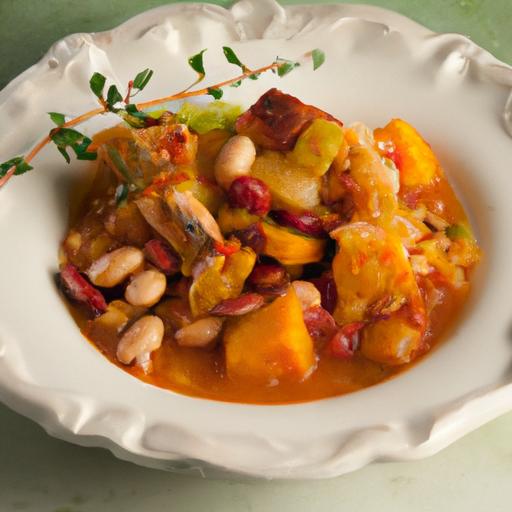


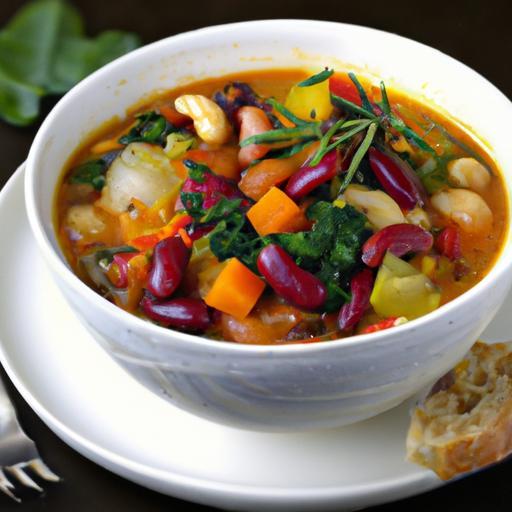
In the heart of Tuscany, where olive groves stretch beneath sun-dappled skies and ancient cobblestones whisper tales of centuries past, a humble pot simmers with history and soul. Ribollita-literally meaning “reboiled”-is more than just a stew; its a culinary emblem of resourcefulness, tradition, and community. This hearty Tuscan dish, born from peasant roots and revived with rustic charm, reveals a tapestry of flavors woven from day-old bread, seasonal vegetables, and the lingering warmth of generations.Join us as we peel back the layers of Ribollita, uncovering the rich heritage behind Italy’s treasured stew and the secrets that make it a comforting symbol of Tuscany’s enduring spirit.
Ribollita Revelations bring us deep into the heart of Tuscany, where this humble yet hearty stew has long been a beloved symbol of rustic Italian cooking. originally crafted as a thrifty means to transform leftover Tuscan bread and vegetable soup into an even more flavorful dish,ribollita’s name itself means “reboiled,” referring to the conventional practice of reheating the stew to enhance its rich,comforting depth. This staple of Tuscan cuisine is a festivity of seasonal vegetables, robust beans, and day-old bread, melded together by slow cooking to create a soul-warming meal steeped in history and simplicity.
Prep and cook Time
- Preparation: 20 minutes
- Cooking: 3 hours (including simmering and reboiling)
- Total Time: Approximately 3 hours 20 minutes
Yield
Serves 6 generous portions
Difficulty Level
Medium – ideal for cooks ready to embrace slow, attentive simmering that rewards patience with authentic Tuscan flavour.
Key Ingredients Bringing Ribollita to Life
- 2 cups dried cannellini beans (or 4 cups cooked, drained)
- 4 cups day-old Tuscan bread, crust removed and cut into chunks
- 1 large onion, finely chopped
- 2 carrots, diced
- 2 celery stalks, diced
- 3 garlic cloves, minced
- 1 bunch cavolo nero (Tuscan kale), thick stems removed, leaves chopped
- 1 large potato, peeled and cubed
- 1 can (14 oz) diced tomatoes
- 6 cups vegetable or chicken broth
- 1/4 cup extra virgin olive oil, plus extra for drizzling
- 1 bay leaf
- Salt and freshly cracked black pepper, to taste
- A pinch of red chili flakes (optional, for subtle warmth)
Mastering the Art of Slow Cooking for authentic Flavor
- Soak and Cook the Beans: Soak the dried cannellini beans overnight in cold water. Drain, then simmer in fresh water until tender, about 1 to 1.5 hours.Alternatively, use canned beans for convenience.
- Sauté the Mirepoix: In a large, heavy-bottomed pot, heat the olive oil over medium heat. Add the onion, carrots, and celery, sautéing until softened and golden, about 8 minutes. Stir occasionally to avoid sticking.
- Build the Base: Add the garlic and cook until fragrant,~1 minute. Pour in the diced tomatoes and cook down for 5 minutes to concentrate flavors.
- add Vegetables and Broth: Stir in the potatoes, cavolo nero, cooked beans, bay leaf, and broth.Season with salt,pepper,and chili flakes if using. Bring to a gentle boil, then reduce heat to low.
- Simmer Slowly: cover partially and let simmer for 2 hours, stirring occasionally. This long,slow cooking melds the ingredients into a luscious stew.
- Incorporate the Bread: About 30 minutes before finishing, add the bread chunks, stirring gently to allow them to soak up the broth and soften without disintegrating entirely.
- Reboil for Tradition: After cooking, cool the ribollita slightly, then reheat (“reboil”) it on low heat for another 20 minutes. This step deepens the flavors and thickens the stew beautifully.
- Final Seasoning: Adjust salt and pepper as needed, drizzle with extra virgin olive oil before serving to elevate richness and aroma.
Chef’s Tips for Success
- Use Tuscan bread if possible – its dense, unsalted nature is perfect for soaking without turning mushy.
- slow is key: Don’t rush the simmering step; it’s essential for that authentic, melt-in-your-mouth texture and depth.
- Make ahead: Ribollita tastes even better the next day once flavors meld further; store in the fridge and reheat gently.
- Vegetarian or not: Use vegetable broth for a fully vegetarian meal or chicken broth for added heartiness.
- Flex your greens: Substitute cavolo nero with kale or Swiss chard if unavailable.
Serving Suggestions and Pairings to Elevate Your Ribollita Experiance
Serve your ribollita steaming hot in rustic bowls with a generous drizzle of high-quality extra virgin olive oil and a sprinkle of freshly cracked black pepper. Garnish with finely chopped fresh parsley or a few shaved parmesan flakes for a touch of elegance. For an authentic Tuscan presentation, place a small bundle of cavolo nero leaves in the bowl before ladling the stew.
Accompany with a crisp, chilled Tuscan white wine such as Vernaccia di San Gimignano or a light-bodied chianti red. A side of rustic garlic crostini dusted with rosemary and sea salt will complement the earthiness of the stew beautifully. For a textural contrast, a simple green salad dressed with lemon vinaigrette and toasted pine nuts brightens the palate.

| Nutrient | Per serving |
|---|---|
| Calories | 320 kcal |
| Protein | 15 g |
| Carbohydrates | 45 g |
| Fat | 7 g |
For a deeper dive into traditional Tuscan cooking methods, explore our Tuscan Classics Made Easy guide or visit the Slow Food Foundation for more on preserving Italy’s culinary heritage.
Q&A
Q&A: Ribollita Revelations – Italy’s Hearty Tuscan Stew Tradition
Q1: What exactly is Ribollita, and why is it called that?
A1: Ribollita translates literally to “reboiled” in Italian-a name that perfectly captures the essence of this dish. It’s a thick, rustic Tuscan stew made primarily from leftover bread, beans, kale, and seasonal vegetables. Traditionally, ribollita is cooked, cooled, and then reheated-sometimes several times-developing deeper, heartier flavors with each reheating, embodying the spirit of lasting, resourceful cooking.
Q2: Where does Ribollita originate from, and why is it so iconic in Tuscany?
A2: Ribollita hails from the rural kitchens of Tuscany, where peasant families crafted nourishing meals from scraps and garden harvests. This stew became a symbol of ingenuity-transforming humble ingredients into a satisfying feast. Its iconic status in Tuscany stems from its strong roots in the region’s agricultural lifestyle and its ability to bring warmth and comfort through cold winters.
Q3: What are the key ingredients that make Ribollita special?
A3: Ribollita’s magic lies in its simple yet robust components. Stale Tuscan bread forms the hearty base, soaking up a mirepoix of onions, carrots, and celery. Cannellini beans provide protein and creaminess, while cavolo nero (Tuscan black kale) adds a bitter, earthy contrast. Seasonal vegetables like potatoes, tomatoes, and cabbage round out the stew’s layered textures and flavors.
Q4: How is Ribollita traditionally prepared?
A4: Traditionally, Ribollita starts with slow-sautéed vegetables, simmered gently with beans and broth. Once a thick stew forms, chunks of day-old bread are added, absorbing the savory juices. The stew is then allowed to cool and is reheated (“reboiled”) the next day-or even later-to deepen the flavors. Each reheating intensifies the taste and softens the bread further, truly making it a dish that improves with time.
Q5: Why is Ribollita considered a “peasant dish,” and does that perception diminish its value today?
A5: Ribollita was born from necessity, crafted by Tuscan peasants who needed to stretch limited ingredients into filling meals. Far from diminishing its value, this humble origin enhances its cultural significance. Today, Ribollita symbolizes sustainable eating and culinary tradition, celebrated by chefs and food lovers worldwide who appreciate its hearty simplicity and the story it tells about resilience and regional identity.
Q6: Can ribollita be adapted for different dietary needs or tastes?
A6: Absolutely! Ribollita is a flexible canvas. While the classic recipe is vegetarian and naturally gluten-containing due to bread, gluten-free bread alternatives can accommodate gluten sensitivities. For a vegan version, ensure vegetable broth is used instead of any meat-based stock. Additionally, adding different herbs or seasonal vegetables allows cooks to personalize the stew while respecting its authentic roots.
Q7: What makes ribollita a dish worth trying for someone traveling through Italy?
A7: Ribollita is more than just a stew; it’s an edible piece of tuscan history. trying it offers travelers a taste of authentic local life and culinary tradition. Its warming, robust character is ideal after a day wandering medieval streets or rolling Tuscan hills, inviting you to slow down and savor the simplicity and richness of Italian countryside cuisine.
Q8: any tips for serving Ribollita like a true Tuscan?
A8: serve Ribollita piping hot in a rustic bowl, drizzled with a good splash of extra virgin olive oil and accompanied by freshly cracked black pepper.Pair it with a sturdy red wine from Tuscany-such as a Chianti-or simply enjoy it with a slice of crusty bread. The key is to embrace its humble heartiness and share it in good company, savoring each spoonful as the locals do.
The Way Forward
As the final spoonful of ribollita warms both palate and spirit, we find ourselves not just savoring a stew, but tasting centuries of Tuscan tradition simmered into every bite. More than a humble dish, ribollita embodies resilience, community, and the art of turning simple ingredients into soulful sustenance. Whether enjoyed in a rustic farmhouse or recreated in a modern kitchen afar, this hearty stew invites us to slow down, appreciate the richness of local heritage, and celebrate the enduring warmth found in Italy’s culinary heart. ribollita is more than food-it’s a delicious revelation of Italy’s enduring love affair with simplicity, seasonality, and shared stories around the table.