

In the vibrant tapestry of Indian cuisine, where every dish tells a story of culture, history, and flavor, sattu paratha stands out as a humble yet hearty hero. This unassuming flatbread, packed generously with roasted gram flour and aromatic spices, is more than just a meal-it’s a celebration of nutrition and tradition wrapped in every bite.From the bustling streets of Bihar to the cozy kitchens across the country, sattu paratha has nourished generations with its wholesome goodness and earthy taste. Join us as we unravel the secrets behind this time-honored delicacy, exploring how a simple combination of ingredients transforms into a culinary treasure rich in both heritage and health.
Sattu Paratha is a beloved staple in many North Indian households, cherished not only for its hearty flavor but also for the rich cultural heritage it carries. This rustic flatbread, stuffed with a spiced roasted gram flour mixture, has been fueling farmers and families alike for centuries, offering a nutritious boost that is both economical and sustaining.my first encounter with sattu paratha was during a vibrant village festival, where the air was fragrant with freshly rolled dough and warming spices-an unforgettable experience that ignited my passion to recreate and share this wholesome tradition wrapped in every bite.
Prep and Cook Time
- Preparation: 20 minutes
- cooking: 15 minutes
- Total Time: 35 minutes
Yield
Serves 4 hearty portions
Difficulty Level
Medium – Ideal for cooks pleasant with rolling dough and handling fillings
Ingredients
- For the Dough:
- 2 cups whole wheat flour (atta), sifted
- ½ teaspoon salt
- ¾ cup warm water (approximate, adjust as needed)
- 1 tablespoon vegetable oil
- For the Sattu Filling:
- 1 cup sattu (roasted gram flour)
- 1 small onion, finely chopped
- 2 green chilies, finely chopped
- 1 teaspoon roasted cumin powder
- ½ teaspoon black salt
- ½ teaspoon chaat masala
- 2 tablespoons fresh coriander, finely chopped
- Juice of half a lemon
- Salt, to taste
- Warm water as needed (about 2-3 tablespoons)
- for Cooking:
- Ghee or oil, for frying
Instructions
- Prepare the dough: In a large bowl, combine the whole wheat flour and salt. Gradually add warm water while kneading until you get a soft, pliable dough.Add the oil and knead for a few more minutes. Cover and let it rest for 20 minutes.
- Make the filling: In a mixing bowl, combine the sattu, finely chopped onions, green chilies, roasted cumin powder, black salt, chaat masala, coriander, lemon juice, and regular salt. Add warm water gradually to bind the mixture; it should be moist but not runny.
- Divide the dough and filling: Divide the dough into 8 equal balls. Similarly, shape the sattu filling into 8 small balls slightly smaller than the dough balls.
- Roll and stuff the paratha: On a lightly floured surface, roll one dough ball into a small disc (about 4 inches).Place one filling ball in the center. Carefully bring the edges of the dough around the filling and pinch to seal. Flatten gently and roll out evenly into a 6-7 inch circle.Use gentle rolling to avoid tearing.
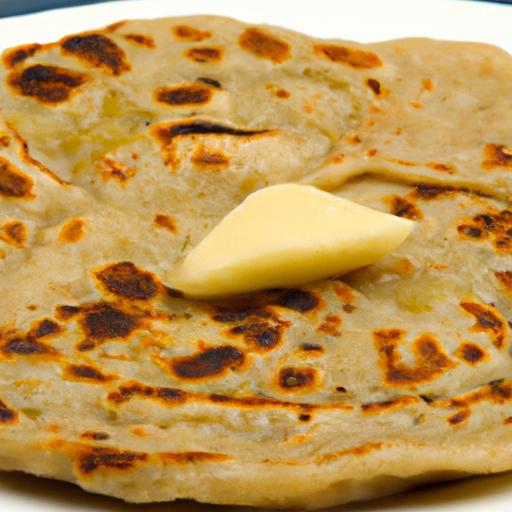
- Cook the paratha: Heat a tawa or skillet over medium-high heat. Place the rolled paratha on it. Cook for 30 seconds,then flip. Apply a little ghee or oil, flip again, and spread some ghee on the surface. Cook until golden brown spots appear on both sides, about 2-3 minutes per side. Press gently with a spatula for even cooking.
- Repeat: Repeat the rolling and cooking process with the remaining dough and filling balls.
- Serve hot: Serve sattu parathas immediately with a dollop of fresh butter, yogurt, or tangy pickle for a complete and satisfying meal.
Tips for Success
- Moisture in the filling: Be mindful of adding warm water to your sattu mix; just enough to bind helps keep the paratha from cracking.
- Rolling technique: Roll gently with even pressure to avoid tearing the dough over the filling.
- Resting the dough: Don’t skip the resting time-this step makes the dough more elastic and easier to work with.
- Make-ahead option: You can prepare the filling in advance and refrigerate it for up to 2 days. Assemble and cook as needed.
- Ingredient swap: Substitute regular wheat flour with multigrain flour for an extra health boost; adjust water accordingly.
serving Suggestions and Innovative Twists
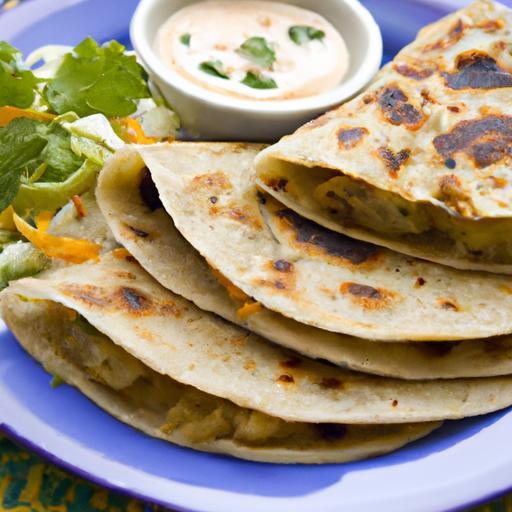
Serve your golden, fluffy sattu paratha with chilled sweet or salted yogurt to balance the hearty flavors. A side of tangy mango pickle or green chutney adds a vibrant contrast. For an innovative twist, try incorporating finely grated carrots or beets into the sattu filling for a subtle sweetness and added texture. alternatively,sprinkle crushed peanuts or fennel seeds for a crunchy surprise.
for a breakfast treat, serve with a drizzle of honey and a spread of fresh homemade ghee, elevating the humble paratha into a luxurious meal. To enjoy it as a wholesome lunch or dinner,pair with a simple dal tadka or a spicy vegetable curry for a complete and nourishing experience.
Nutritional Details
| Nutrition | Per Serving |
|---|---|
| Calories | 320 kcal |
| Protein | 12 g |
| Carbohydrates | 45 g |
| Fat | 7 g |

For a deeper understanding of sattu’s health benefits, visit the British nutrition Foundation.
Looking for more wholesome Indian breads? Check out our Methi Paratha recipe for another nutritious and flavorful option.
Q&A
Q&A: sattu Paratha – Wholesome Tradition Wrapped in Every Bite
Q1: What exactly is a Sattu Paratha?
A: Imagine the rustic charm of the Indian countryside folded into a warm, golden flatbread-that’s Sattu Paratha for you. It’s a stuffed Indian bread made with sattu, a finely ground roasted gram flour, typically mixed with spices, herbs, and sometimes a dash of tangy lemon or finely chopped onions. Rolled out and cooked on a hot tava (griddle), each bite delivers a hearty punch of flavor and nutrition.
Q2: Where did Sattu Paratha originate?
A: sattu Paratha hails from the heartlands of Bihar and the eastern parts of Uttar Pradesh in india. It reflects the culinary wisdom of generations who prized energy-packed, affordable food that could sustain them through hard labor and long days. Over time,its popularity spread far beyond these regions,celebrated for its wholesome goodness all across the subcontinent.
Q3: What makes Sattu an ideal filling for parathas?
A: Sattu is not just any flour-it’s roasted chickpea or barley flour,rich in proteins,fiber,and iron. This roasted process intensifies its nutty aroma and makes it instantly digestible. Packed with health benefits and an earthy, robust flavor, sattu turns a simple flatbread into a fulfilling meal that nourishes body and soul alike.
Q4: how is a traditional sattu Paratha prepared?
A: It’s a culinary dance of textures and flavors.First, sattu is mixed with mustard oil, finely chopped green chilies, coriander, carom seeds (ajwain), salt, and sometimes a squeeze of lemon. This mixture becomes the ever-lovable filling for the dough, which is carefully rolled and then cooked on a hot griddle with a drizzle of ghee or oil. the result is a crispy, golden-brown paratha with a fragrant, savory center.
Q5: Is Sattu Paratha only a breakfast dish?
A: not at all! while deeply rooted as a filling breakfast staple that jumpstarts your day with energy, Sattu Paratha’s versatility shines throughout every meal. It’s a popular lunchbox treat, a comforting dinner option, and even a delicious snack accompanied by a dollop of fresh yogurt or spicy pickle.
Q6: Can Sattu Paratha be enjoyed by everyone, including those with dietary restrictions?
A: Absolutely. Sattu is naturally gluten-free when made from barley or chickpeas (though the dough typically uses wheat flour), high in protein and fiber, and low in fat. For gluten-sensitive individuals, alternatives like millet or chickpea flour dough can be used. it’s a wholesome choice appreciated in vegetarian and vegan diets too, offering robust nutrition without compromise.Q7: Why does Sattu Paratha hold such cultural meaning?
A: Beyond its taste and nutrition, Sattu paratha embodies tradition, resilience, and simplicity. It tells stories of agricultural communities who valued resourcefulness-turning humble grains into powerful sustenance. serving or sharing it evokes warmth,hospitality,and a rich heritage passed down through care and craftsmanship.
Q8: how can someone new to Sattu Paratha best experience it?
A: Start fresh-enjoy it hot off the griddle, slathered with a pat of ghee or butter. Pair it with tangy mango pickle, crisp raw onions, or chilled curd for the full sensory journey. Embrace the rustic flavors and let each bite transport you into the heart of Indian tradition, where simple ingredients create soulful meals.
Sattu Paratha isn’t just food-it’s a delicious bridge connecting the past with the present,nourishing both the body and the spirit with every wholesome bite.
The Way Forward
As the aroma of freshly cooked Sattu Paratha lingers in the air, it’s clear that this humble dish is much more than just a meal-it’s a celebration of heritage, nutrition, and the timeless art of simple cooking.Wrapped in every bite is the story of generations who have savored its wholesome goodness,embracing both sustenance and soulfulness. Whether enjoyed as a hearty breakfast or a comforting snack, Sattu Paratha remains a vibrant thread in the fabric of Indian culinary tradition, reminding us that sometimes, the most nourishing flavors come from the purest ingredients and the hands that craft them with care. So next time you fold into its folds, know you’re tasting a legacy that’s as rich in history as it is indeed in health.