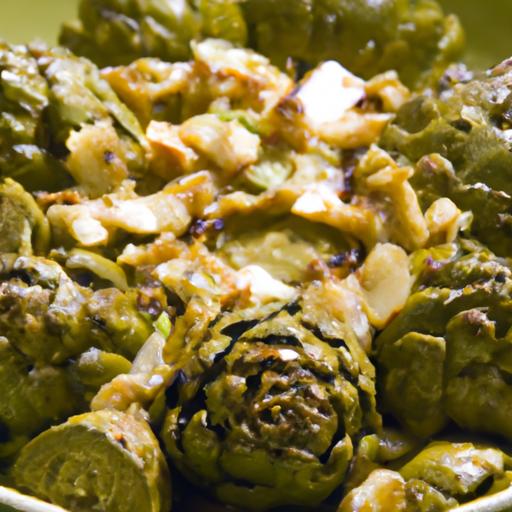


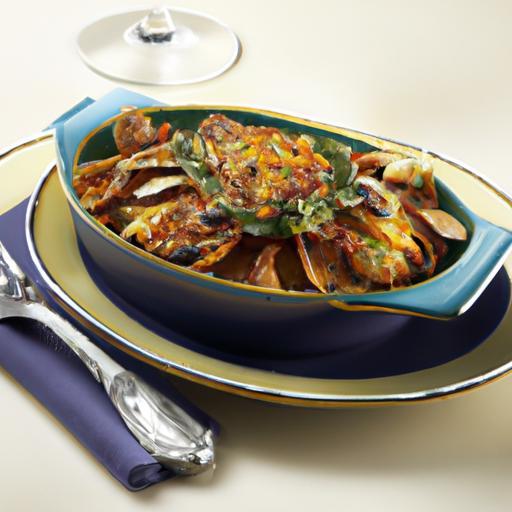
In the vibrant tapestry of Spanish cuisine,few dishes capture the soul of the Mediterranean quite like paella. This iconic feast, bursting with colors and flavors, is more than just a meal-its a festivity of tradition, community, and the art of combining simple ingredients into a culinary masterpiece. Among the many variations, the enchanting blend of tender artichokes and golden saffron threads creates a paella that is as visually stunning as it is irresistibly fragrant. Join us as we unravel the secrets behind this exquisite dish, exploring how the earthy bitterness of artichokes and the warm, floral notes of saffron come together to create a symphony of taste that honors Spain’s rich gastronomic heritage.
Savor Spanish Paella with artichokes and saffron offers a vibrant symphony of flavors and textures that capture the heart of traditional Spanish cooking. This dish, originating from the sun-drenched fields of Valencia, celebrates the delicate earthiness of artichokes combined with the golden warmth of saffron, creating a culinary experience that is both authentic and unforgettable. The richness of the saffron threads infuses each grain of rice with an unmistakable aroma, while tender artichoke hearts add a subtle nuttiness and a delightful bite, elevating your home-made paella beyond the ordinary.
Prep and cook Time
- Readiness: 20 minutes
- Cooking: 45 minutes
- Total: 1 hour 5 minutes
Yield
Serves 4 generous portions
Difficulty Level
Medium – perfect for those ready to explore the nuances of Spanish cuisine with confidence
Ingredients
- 2 cups Bomba rice or short-grain Spanish rice
- 1 cup fresh artichoke hearts, trimmed and quartered
- 1/2 teaspoon saffron threads
- 4 cups homemade or good-quality chicken broth, warm
- 1 medium onion, finely chopped
- 3 cloves garlic, minced
- 1 large ripe tomato, grated (or 1/2 cup canned crushed tomatoes)
- 1/2 cup dry white wine
- 1/2 teaspoon smoked paprika
- 1/4 cup extra virgin olive oil
- Salt and freshly ground black pepper, to taste
- Fresh flat-leaf parsley, chopped for garnish
- Lemon wedges for serving
Instructions
- Infuse the saffron: Begin by steeping the saffron threads in 2 tablespoons of warm chicken broth for 10 minutes to release thier deep golden color and fragrance.
- Prepare the sofrito base: Heat olive oil in a wide paella pan over medium heat. Add the chopped onion and sauté until translucent, about 5 minutes. Add minced garlic and cook for another minute, releasing a savory aroma.
- Add tomatoes and paprika: Stir in the grated tomato and smoked paprika. Simmer gently until the mixture thickens and darkens slightly, about 8 minutes. This forms the flavour-packed foundation of your dish.
- Sauté the artichokes: Incorporate the quartered artichoke hearts, cooking until just tender and lightly caramelized, about 6 minutes. This step unlocks their sweet nuttiness and softens their texture.
- Add rice and wine: Pour in the rice, stirring well to coat every grain with the sofrito. Allow it to lightly toast for 2 minutes, than deglaze with the white wine, stirring until alcohol evaporates and the mixture is nearly dry.
- Pour in broth and saffron: Add the warm chicken broth along with the infused saffron and its soaking liquid. season with salt and pepper. Carefully spread the rice evenly in the pan, without stirring after this point, to encourage the prized socarrat crust.
- Simmer patiently: Cook uncovered over medium heat for 15 minutes. Reduce heat to low, cover loosely with foil or a lid, and continue cooking for another 10-12 minutes until rice is tender and liquid absorbed.
- Rest the paella: Remove from heat and let rest for 5 minutes. This resting allows flavors to marry and the rice to finish steaming gently.
- Garnish and serve: Scatter fresh parsley over the top and serve with bright lemon wedges to squeeze over each portion for a zesty finish.
Tips for Success
- Choosing artichokes: Opt for fresh, tender globe artichokes. Prepare by removing tough outer leaves and scraping the fuzzy choke. If fresh isn’t available, high-quality jarred or frozen artichoke hearts work well, just add slightly later in the cooking process.
- Saffron quality: The delicate nature of saffron means even a small pinch impacts flavor notably. Invest in reputable saffron for true authenticity and avoid powdered imitations for best results.
- Rice selection: Use Bomba or Calasparra rice varieties if possible to achieve that characteristic firm yet creamy texture. Regular short-grain rice can substitute but the result may be less authentic.
- Avoid stirring after adding broth: This is essential to allow the crust (socarrat) to form, creating that satisfying crunch prized in paella.
- make-ahead tip: Prepare the sofrito base a day ahead to let flavors deepen, then assemble and cook the paella fresh for a quicker dinner prep.
serving suggestions
Present your artichokes and saffron paella straight from the pan for a rustic Spanish vibe. Accompany with crisp white wine such as Albariño or Verdejo to complement the saffron’s floral notes. Garnish with coarse sea salt flakes and fresh parsley for color and texture. Serve alongside a mixed green salad with sherry vinaigrette for refreshing balance. Lemon wedges add a bright counterpoint that guests will love to squeeze over their serving.

| Nutrient | Per Serving |
|---|---|
| Calories | 420 kcal |
| Protein | 12 g |
| Carbohydrates | 58 g |
| Fat | 12 g |
For more inspiration on regional Spanish dishes, check our Top Spanish Tapas Recipes and learn about the fascinating history of saffron.
Q&A
Q&A: Savor Spanish Paella – Artichokes & Saffron Delight Explained
Q1: What makes paella such an iconic Spanish dish?
A: Paella is more than just a dish; it’s a vibrant celebration of Spanish culture and tradition. Originating from Valencia, it combines a symphony of fresh ingredients with the soulful aroma of saffron and the rustic charm of saffron-yellowed rice. Each bite is a story of Spain’s coastal bounty and agricultural richness, bringing people together around the table for a shared experience.
Q2: Why are artichokes a popular ingredient in some paella recipes?
A: Artichokes provide a tender, slightly nutty contrast to the savory meat and seafood often found in paella. Their subtle earthiness deepens the dish’s flavor complexity, while their unique texture adds a delightful bite. Incorporating artichokes harkens back to traditional Valencian paella, where locally grown vegetables play a starring role, balancing richness with garden-fresh freshness.Q3: How does saffron transform the flavor and appearance of paella?
A: Saffron is the golden thread in the tapestry of paella. Its delicate, floral aroma infuses the rice with warmth and an unmistakable depth, elevating the dish beyond ordinary. Visually, saffron imparts that iconic sunlit hue that makes paella instantly recognizable-a feast for the eyes and the palate alike. It’s a spice that demands care and respect, but rewards with its luxurious essence.
Q4: Can you explain the art of cooking paella to get that perfect socarrat?
A: The socarrat is paella’s prized crust-a caramelized, crispy bottom layer of rice that offers a delightful textural contrast. Achieving it requires patience and precision: cook the paella over steady heat without stirring once the broth is absorbed. This encourages the rice at the base to toast gently, creating that coveted golden crust that sings with smoky, toasted flavor. It’s the crowning glory of a well-made paella!
Q5: Is paella with artichokes and saffron suitable for vegetarians?
A: Absolutely! While traditional Valencian paellas often feature seafood or meats, artichokes and saffron can shine in a purely vegetarian version. By combining them with other vibrant vegetables like bell peppers, tomatoes, and green beans, you create a lush, fragrant dish that’s equally rich in taste and tradition-proof that paella’s heart is as open and generous as Spanish hospitality.
Q6: What tips can definitely help home cooks master this Spanish culinary treasure?
A: Start with quality ingredients-fresh, seasonal vegetables and genuine saffron threads. Use a wide,shallow pan to ensure even cooking and flavor distribution.Don’t rush the simmering stage; let the rice absorb the liquid slowly to develop depth and texture. And embrace paella’s communal spirit: gather friends and family to enjoy the process as much as the plate. Cooking paella is an art, but above all, it’s a joyful celebration of life.
Dive into the sensuous world of Spanish paella,where artichokes and saffron mingle to create a dish that’s as rich in history as it is in flavor. Whether you’re a curious cook or a seasoned foodie, understanding these elements will help you savor every golden grain with newfound gratitude.
In Conclusion
As the golden hues of saffron infuse every grain of rice and the tender artichokes lend their subtle earthiness, Spanish paella becomes more than just a dish-it transforms into a celebration of culture, tradition, and flavor. Whether enjoyed in the bustling heart of Valencia or recreated in your own kitchen, paella invites you to slow down, savor each bite, and appreciate the vibrant stories woven into every spoonful. So next time you indulge in this iconic delight, remember: you’re not just tasting a meal, but a rich tapestry of history, artistry, and passion served on a plate.