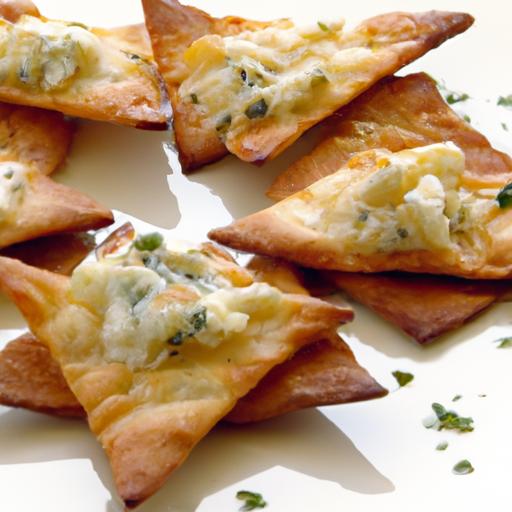


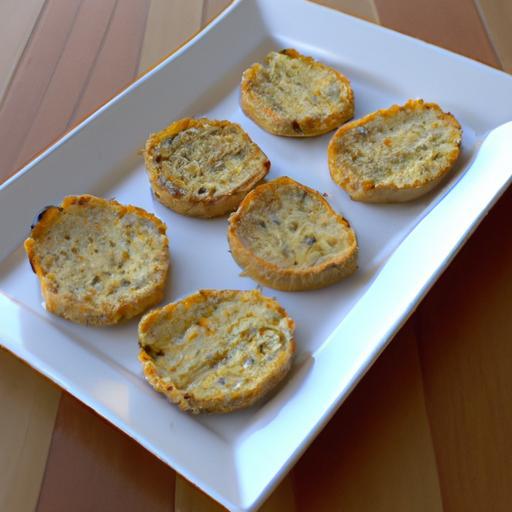
There’s something undeniably magical about the first bite into a perfectly crafted savory sablé-a crispy, buttery little morsel that melts effortlessly on the tongue. Among these delicate French-style shortbreads, Parmesan sablés stand out as an irresistible fusion of rich, nutty cheese adn crumbly texture, transforming a simple snack into an elegant culinary experience.In this article, we’ll unravel the secrets behind these golden, cheese-infused delights, exploring how the humble sablé has been elevated into a savory masterpiece that’s equally at home on a sophisticated appetizer platter or as a crunchy companion to your favorite wine. Prepare to discover the art and science behind crafting Parmesan sablés that promise a burst of umami-packed goodness in every bite.
Savory Parmesan Sablés capture the perfect balance of buttery richness and sharp, nutty cheese flavor, elevated by their irresistibly crisp texture. This classic French-inspired biscuit,traditionally known for its delicate crumb,transforms here into an unbeatable crunchy delight. As a culinary enthusiast, I find the magic lies in mastering the sablé dough-infusing it with aged Parmesan and precise baking techniques to bring out ultimate crispiness and depth.
Prep and Cook time
- Planning: 20 minutes
- Chilling Time: 1 hour
- Baking Time: 12-15 minutes
- Total Time: Approximately 1 hour 35 minutes
Yield
Yields approximately 24 savory Parmesan sablés,depending on cutter size.
Difficulty Level
Medium: Requires attention to dough consistency and resting for best textural results,but approachable for confident home bakers.
Ingredients
- 1 ½ cups all-purpose flour, sifted
- 1 cup freshly grated Parmesan cheese (aged 24 months for best flavor)
- ½ teaspoon fine sea salt
- ½ teaspoon freshly ground black pepper
- ¼ teaspoon smoked paprika (optional, for a subtle warmth)
- ½ cup unsalted butter, cold and cubed
- 1 large egg yolk
- 1 tablespoon cold water (add more if needed)
- Optional garnish: flaky sea salt, extra Parmesan for topping
Instructions
- prepare the dry mix: In a large bowl, whisk together the all-purpose flour, Parmesan, sea salt, black pepper, and smoked paprika until evenly combined.
- Cut in the butter: Add the cold, cubed butter to the dry ingredients. Use a pastry cutter or your fingertips to rub the butter into the flour mixture until it resembles coarse crumbs,with some pea-sized lumps remaining for optimal flakiness.
- Incorporate the egg yolk: Lightly beat the egg yolk with the cold water. Drizzle into the butter-flour mix, tossing gently with a fork until the dough starts to come together. If too dry, add an extra teaspoon of water, but avoid overhydrating to keep that crumbly sablé texture.
- Form and chill the dough: Gather the dough into a rough ball, flatten into a disc, wrap it tightly in plastic wrap, and refrigerate for at least 1 hour.This resting period hydrates the flour and firms the dough, essential for preventing spread and achieving crisp edges.
- Roll out and cut: On a lightly floured surface,roll the dough out to ¼-inch thickness. Use a 2-inch round or fluted cutter to stamp out shapes. Place them on a parchment-lined baking sheet, spaced evenly for airflow.
- Optional garnish: Lightly brush the tops of sablés with a little beaten egg white or milk, then sprinkle with flaky sea salt and extra grated Parmesan for an appealing finish.
- Bake to golden perfection: preheat the oven to 350°F (175°C). Bake the sablés for 12-15 minutes, rotating the tray halfway thru.Watch carefully-they should turn a warm golden brown with crisply defined edges but avoid overbaking to prevent bitterness.
- Cool entirely: Transfer baked sablés to a wire rack immediately to cool. This halts cooking and maintains their signature crunch.
Tips for Success
- Keep ingredients cold: Cold butter and chilled dough are key to buttery flakes and distinct sablé texture.
- Cheese choice matters: High-quality aged Parmesan adds sharpness and depth-but feel free to experiment with Pecorino Romano for a bolder bite.
- Rest the dough: Don’t skip chilling; it prevents shrinkage and delivers that satisfying snap.
- Batch baking: Store baked sablés in an airtight container at room temperature for up to a week-or freeze uncooked dough discs wrapped well for future baking sessions.
- Visual cues: Look for light golden colour and firm edges as the sign of ultimate crispiness.
Serving Suggestions
these savory Parmesan sablés shine best as:
- Elegant accompaniments to a rich charcuterie board,balancing meats and olives with crisp,cheesy crunch.
- Party appetizers served alongside creamy herb-infused dips or smooth pâtés to contrast their crisp bite.
- Paired with a glass of chilled Sauvignon Blanc or dry Champagne, their nutty crispness beautifully complements radiant acidity or bubbles.
- Perfect garnishes for creamy soups-crumble atop tomato basil or butternut squash soup for extra texture.
- Simple garnishes like a sprig of fresh thyme or a scattering of microgreens add a fresh, herbaceous note.

| Nutrient | Per Serving (1 sablé) |
|---|---|
| Calories | 110 kcal |
| Protein | 4 g |
| Carbohydrates | 9 g |
| Fat | 7 g |
For further inspiration, explore our in-depth guide on herbed cheese biscuits. For more on Parmesan cheese’s history and varieties, visit this official Parmigiano-Reggiano resource.
Q&A
Q&A: savory Parmesan Sablés – A Crispy Cheese Delight Unveiled
Q1: What exactly are savory Parmesan sablés?
A1: Savory Parmesan sablés are delicate, buttery French-style shortbread cookies infused with the rich, nutty flavor of Parmesan cheese. Unlike their sweet counterparts, these sablés boast a crisp, golden exterior with an irresistible cheesy punch, making them the perfect savory snack or elegant appetizer.
Q2: How do savory sablés differ from traditional sweet sablés?
A2: While traditional sablés are sweet cookies often flavored with vanilla or lemon zest, savory Parmesan sablés swap the sugary elements for sharp cheese, herbs, and a hint of salt.This conversion turns the tender crumbly biscuit into a flavor-packed morsel that complements wines,soups,and salads beautifully.
Q3: What makes Parmesan the star ingredient in these sablés?
A3: Parmesan cheese brings a complex umami depth, salty tang, and a slight nuttiness that elevates the sablé’s flavor profile. Its granular texture also contributes to the crumbly yet crisp bite, creating that sought-after balance between richness and lightness.
Q4: Can you share the basic ingredients used in making Parmesan sablés?
A4: Absolutely! The foundation includes all-purpose flour, cold butter, finely grated Parmesan cheese, a pinch of salt, and sometimes freshly cracked black pepper or herbs like thyme or rosemary. Some recipes add a touch of baking powder for extra lift or a small amount of egg yolk for binding.
Q5: What’s the secret to achieving that perfect crispy texture?
A5: The key lies in cold butter cut into the dry ingredients to create a sandy mixture, careful chilling of the dough to prevent spreading, and baking at a moderate temperature until the sablés turn a lovely golden hue. This technique ensures a crisp edge with a tender, melt-in-your-mouth interior.
Q6: Are savory Parmesan sablés versatile in their use?
A6: Definately! They’re delightful on their own as an appetizer, pair wonderfully with cheese boards and charcuterie, and can even be crushed to top salads or soups for an added crunch. Their savory profile also opens doors to creative pairings with dips like tapenade, whipped feta, or herbed cream cheese.
Q7: How can you customize Parmesan sablés to add your own twist?
A7: Experiment with spices like smoked paprika, cayenne, or cumin for a subtle heat.Incorporate fresh herbs-such as chives, basil, or dill-for fresh notes. For a bit of crunch, toss in toasted nuts or seeds. You can even swap Parmesan for other hard cheeses like asiago or pecorino to explore different flavor dimensions.
Q8: Are these sablés challenging to make for home bakers?
A8: Not at all! With just a few pantry staples and a bit of patience during chilling and baking, even novice bakers can achieve excellent results. The rustic, crumbly nature of sablés means precision isn’t intimidating, making them a satisfying project to elevate everyday snacking.
Q9: What occasions are perfect for serving savory parmesan sablés?
A9: these cheese crisps shine at cocktail parties, holiday gatherings, afternoon teas, or as a gourmet snack for movie nights. Their elegance and flavor sophistication make them a charming addition to any festive spread or a simple treat to enjoy with family and friends.
Q10: Where can one find inspiration or recipes to start baking these sablés?
A10: Culinary blogs, French cookbooks, and gourmet food magazines abound with Parmesan sablé recipes and variations. Many chefs share their personal touches online, where step-by-step guides and videos can demystify the process. Trying out a few recipes lets you discover your favorite flavor combinations and baking techniques.
Embark on your savory sablé adventure and unlock a crispy cheese delight that promises to enchant your palate with every bite!
In Retrospect
As the golden edges of these savory Parmesan sablés melt away on your tongue, you discover more than just a snack-you uncover a timeless harmony of crisp textures and rich, cheesy depth. Whether enjoyed alongside a delicate wine, paired with fresh herbs, or savored on their own, these buttery bites invite you to celebrate the art of simple ingredients elevated to extraordinary heights. Let this crispy cheese delight inspire your next culinary adventure, proving that sometimes, the moast exquisite pleasures come in the smallest, most savory packages.