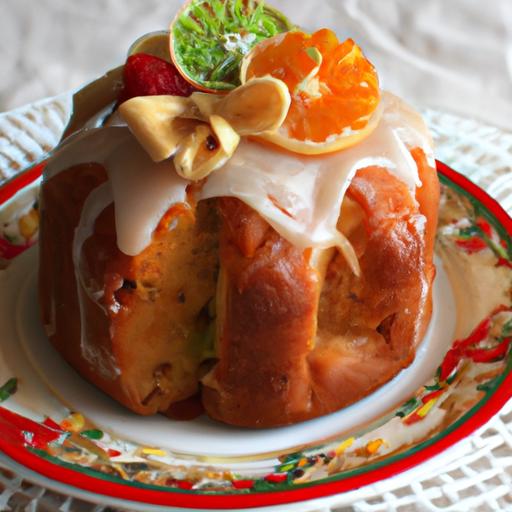


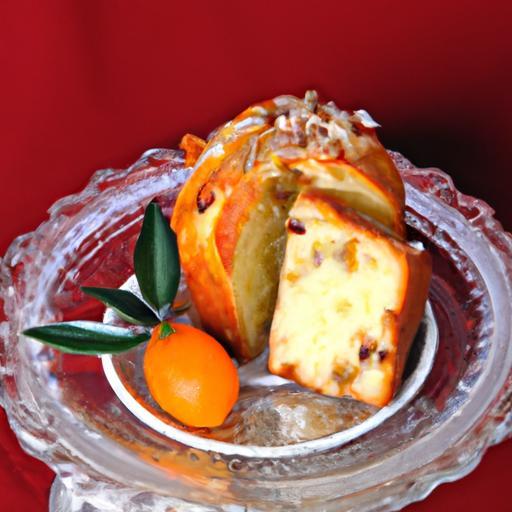
In the heart of Italy’s festive season lies a timeless tradition wrapped in golden,yeasty layers-the art of crafting the perfect panettone. More than just a holiday treat,this iconic sweet bread tells a story of patience,passion,and heritage,where every fold of dough embraces the bright,tangy burst of candied citrus. “The Art of Italian Panettone with Candied Citrus Delight” invites you to explore this delicate masterpiece,unveiling the secrets behind its airy texture,rich flavors,and the luminous citrus notes that elevate it from ordinary to unusual. Join us on a journey through centuries-old techniques and vibrant ingredients, as we celebrate a dessert that’s as much a symbol of Italian warmth as it is a culinary marvel.
The Art of Italian Panettone with Candied Citrus Delight
The Art of Italian Panettone with Candied Citrus Delight captures the essence of a centuries-old festive ritual that has charmed generations. Originating from Milan, this iconic sweet bread is more than just a dessert; it’s a symbol of celebration, craftsmanship, and the warmth of italian holiday traditions. Creating this fluffy, aromatic treat at home is an incredibly rewarding experience, especially when you master the perfect dough texture and infuse it with a bright zest of candied citrus that awakens your senses with every bite.
Prep and Cook Time
- Preparation: 30 minutes
- Proofing & Rising: 12-14 hours (overnight)
- Baking: 45-50 minutes
- Total Time: Approximately 14 hours 30 minutes
Yield
One 1.5 kg (3.3 lbs) traditional panettone, serving 8-10 people
Difficulty Level
Advanced – requires patience and precise handling to achieve the perfect rise and crumb
Ingredients
- 500 g all-purpose flour, sifted
- 120 g granulated sugar
- 150 ml whole milk, warm (about 38°C/100°F)
- 4 large eggs, at room temperature
- 160 g unsalted butter, softened
- 25 g fresh yeast or 7 g active dry yeast
- 1 teaspoon salt
- 200 g mixed candied citrus peel (orange, lemon, and citron), finely chopped
- 150 g raisins, soaked in warm water or rum for 30 minutes, drained
- 1 tablespoon vanilla extract
- Finishing: 1 egg yolk mixed with 1 tablespoon milk for glazing
Instructions
- Activate the yeast: In a small bowl, dissolve fresh yeast in warm milk with 1 tablespoon of sugar. Let it sit for 10 minutes until frothy.
- Mix initial dough: In a large bowl, combine 250 g flour, activated yeast mixture, and 2 eggs. Stir to form a sticky dough. Cover and let rise for 2 hours in a warm spot until doubled.
- Prepare main dough: once risen, add the remaining 250 g flour, sugar, salt, vanilla extract, and eggs to the dough. Slowly incorporate softened butter in small portions, kneading continuously. This process should take about 10-15 minutes until the dough is elastic and smooth.
- Add fruits: Gently fold in the chopped candied citrus peel and soaked raisins, ensuring even distribution without deflating the dough.
- first proof: Transfer dough to a greased bowl and cover with a damp cloth or plastic wrap. Let it rise for another 6-8 hours or until tripled in size.
- Shape and rest: Gently deflate dough and shape it into a tall dome. Place in a well-buttered panettone mold or high-sided paper mold. Let it rest for 1 hour.
- Preheat oven: Heat oven to 180°C (350°F).
- Glaze and score: Brush the top with egg yolk glaze evenly. Using scissors, carefully make a cross-shaped cut on top to allow oven spring.
- Bake: Place panettone in the middle rack and bake for 45-50 minutes. If the top browns too quickly, cover loosely with foil halfway through baking to prevent burning.
- Cool inverted: Once baked, promptly invert the panettone by tying the paper mold to two wooden skewers or sticks and suspending it upside down to cool completely-this prevents collapse and maintains fluffiness.
Tips for Success
- fresh yeast: Using fresh yeast gives a more fragrant, authentic rise, but active dry yeast works well too with a longer proofing time.
- Kneading: Proper gluten development is key. Use a stand mixer with a dough hook or knead by hand for 15 minutes,until the dough is elastic but not sticky.
- Patience: The long proofing times are essential for light texture; rushing this step will yield dense bread.
- Candied citrus: Use high-quality candied orange and lemon peel for the best flavor – avoid overly sweet or artificially flavored versions.
- Make-ahead: Panettone can be wrapped tightly and stored at room temperature for up to 5 days or frozen for up to 3 months.
- Variations: Replace raisins with dried cherries or chopped nuts for a personal twist.
Serving Suggestions
Slice panettone thickly to showcase its airy, honey-golden crumb studded with ribbons of candied citrus. Serve it fresh alongside a rich mascarpone cream or lightly whipped vanilla gelato for an indulgent dessert. For a classic touch, accompany with a delicate glass of Vin santo or your favourite Italian sparkling wine. Garnish plates with finely grated candied peel or a dusting of powdered sugar to highlight the citrus delight beautifully.

| Nutrient | Per Serving (100 g) |
|---|---|
| Calories | 320 kcal |
| Protein | 7 g |
| Carbohydrates | 58 g |
| Fat | 7 g |
For more in-depth baking techniques and Italian dessert recipes, explore our Italian Desserts Guide.To learn about the rich history of panettone, visit Encyclopedia Britannica.
Q&A
Q&A: The Art of Italian Panettone with Candied Citrus Delight
Q: What is panettone, and why is it so special in Italian culture?
A: Panettone is a tall, dome-shaped sweet bread that hails from Milan, Italy. It’s more than just a dessert-it’s a festive symbol of Italian tradition, often enjoyed during Christmas and New Year. The bread’s airy, tender crumb combined with a symphony of candied fruits and raisins evokes warmth, family gatherings, and timeless celebrations.Q: How does the addition of candied citrus elevate the traditional panettone?
A: Candied citrus peel-usually orange and lemon-adds a vibrant burst of zesty sweetness that contrasts beautifully with the bread’s rich, buttery texture. This citrus twist refreshes the palate, balancing the sweetness and infusing each bite with sun-kissed brightness reminiscent of Mediterranean orchards.
Q: What makes panettone’s dough unique compared to other sweet breads?
A: The dough of panettone is a labor of love, requiring a natural yeast starter and a long fermentation process that can span several days. this slow rise creates that signature light, fluffy structure with delicate holes. Unlike speedy-breads, panettone’s crumb is almost cake-like but remains wonderfully elastic and chewy.
Q: Can you describe the traditional method of making panettone?
A: Traditionally, panettone involves multiple stages: preparing a natural yeast starter (called “lievito madre”), mixing and kneading the dough by hand until silky smooth, incorporating butter and sugar gradually, folding in the candied fruits and raisins, and then the crucial long proofing period. The shaped dough is baked slowly to achieve a golden crust crowned with a characteristic cross-shaped cut.
Q: Are there variations of panettone beyond candied citrus?
A: Absolutely! While candied citrus and raisins are classic, modern interpretations include flavors like chocolate chips, dried cherries, nuts, or even exotic spices. Some artisanal bakers experiment with liqueurs or fresh fruit infusions to add personalized twists without losing the essence of tradition.
Q: What tips do you have for enjoying panettone at its best?
A: Panettone tastes divine fresh out of the oven, but it’s also fantastic lightly toasted-spread with butter or dipped into a sweet wine like Moscato. Pairing it with a robust espresso or a glass of sparkling wine accentuates its complex flavors. Store wrapped tightly in a cool place to preserve moisture.Q: Why is making panettone considered an art rather than just baking?
A: Panettone is a harmonious blend of science, patience, and creativity. Mastering the dough’s texture, timing the fermentation just right, and balancing the sweetness with citrus and fruits requires skill and intuition. Each loaf tells a story of craftsmanship, heritage, and joyous indulgence, making it a true edible art form.
Q: Can beginners try making panettone at home?
A: Yes! Though it’s an enterprising project, beginner bakers can try simplified recipes using commercial yeast and shorter rise times. The key is patience and loving attention. Over time, with practice, you’ll get closer to that fluffy, fruity masterpiece worthy of Italian holiday tables.
Q: In what ways does panettone connect us to Italian seasonal festivities?
A: Panettone is more than food; it’s a ritual. Its rich aroma fills the home, inviting loved ones to gather. Sharing panettone during the holidays honors centuries of Italian customs, bringing warmth, gratitude, and a touch of sweetness to moments that create lifelong memories.
The Conclusion
As the final slice of this luscious Italian panettone disappears, we’re reminded that beyond its golden crumb and fragrant candied citrus lies a centuries-old tradition-a harmonious blend of art, patience, and passion. Crafting the perfect panettone is more than baking; it’s a celebration of culture, a tribute to time-honored techniques, and a joyful gift that brings warmth to every table. Whether enjoyed fresh from the oven or savored alongside a cup of rich espresso, this candied citrus delight invites us to slow down, appreciate the craft, and share in the sweet symphony of Italy’s most cherished holiday treasure.