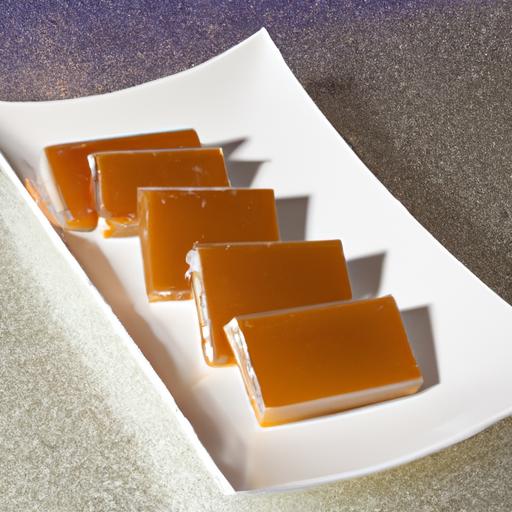


There’s something undeniably magical about honeycomb candy-a delicate confection that crackles with a golden crunch and melts swiftly into sweet, airy bliss. Often celebrated under names like cinder toffee or sponge candy, this exuberant treat is where simple ingredients meet a dance of science, creating a light, porous texture that’s as fascinating as it is delicious. In this article, we’ll unwrap the sweet science behind honeycomb candy, exploring how a perfect blend of heat, sugar, and baking soda transforms into a crunchy delight that has captivated taste buds around the world. Whether you’re a curious foodie or an aspiring candy-maker, join us as we delve into the art and chemistry that make honeycomb candy a timeless indulgence.
The alchemy behind honeycomb candy lies not only in its delightful crunch but in mastering the precise caramel temperature that transforms simple ingredients into a mesmerizing crunchy cinder toffee delight. This light and airy treat, celebrated worldwide for its ethereal texture and deep amber hue, owes its magic to the science of heat and timing. As the sugar syrup reaches the perfect temperature, the reaction with baking soda creates a frothy, porous structure – a symphony of bubbles trapped in golden caramel. This post will guide you through each step of this fascinating process, unveiling tips to achieve flawless honeycomb every time.
Prep and Cook Time
- Preparation: 10 minutes
- Cooking: 15 minutes
- Cooling and Setting: 30 minutes
- Total Time: 55 minutes
yield
Yields approximately 12 generous pieces of crunchy honeycomb candy, perfect for sharing or gifting.
Difficulty Level
Medium – Requires attentive temperature control but straightforward with the right tools.
ingredients
- 1 cup granulated sugar
- 1/4 cup honey or light corn syrup
- 2 tbsp golden syrup (optional for richness)
- 2 tbsp water
- 1 1/2 tsp baking soda, sifted
- Butter or oil, for greasing
Instructions
- Prepare a baking sheet by lining it with parchment paper and lightly greasing it with butter or oil to ensure easy release.
- In a heavy-bottomed saucepan, combine granulated sugar, honey, golden syrup, and water. Stir gently and place over medium heat.
- Using a candy thermometer, monitor the mixture as it melts and cooks. Avoid stirring once the sugar dissolves to prevent crystallization.
- Once the syrup reaches a temperature between 300°F – 310°F (150°C – 155°C), remove it immediately from heat. This “hard crack” stage is crucial for that signature crunch.
- Quickly but carefully, whisk in the sifted baking soda. The mixture will foam dramatically – this reaction aerates the candy,creating that iconic,honeycomb texture.
- Pour the bubbling mixture gently onto your prepared baking sheet. Spread it thinly and evenly; avoid over-handling to maintain the airy bubbles.
- Allow the honeycomb to cool and harden untouched for at least 30 minutes at room temperature.
- Once set, break it into rustic chunks and enjoy immediately or store as described below.
Tips for Success
- Precision is key: Use a reliable candy thermometer to hit the perfect caramel temperature.Too low and the candy will be sticky; too high and it will burn,losing its delicate crunch.
- Fresh baking soda: Make sure your baking soda is fresh and sifted to avoid clumping, ensuring a uniform foaming action.
- Humidity matters: Avoid making honeycomb candy on rainy or humid days as moisture dissolves the caramel, compromising crunch.
- Substitution notes: Golden syrup adds depth but can be swapped with extra honey or corn syrup for different flavor nuances.
- Make ahead: Store your honeycomb candy in an airtight container with parchment paper between layers to preserve the crispness for up to two weeks.
Serving suggestions
Honeycomb candy dazzles on its own, but here are inspiring ways to highlight its crunchy charm:
- Chocolate-dipped shards: Dip pieces halfway into melted dark or milk chocolate for a decadent contrast.
- Ice cream topper: Crumble over vanilla or salted caramel ice cream to add texture and sweetness.
- Garnish for desserts: Place whole chunks atop cheesecakes, mousse, or panna cotta for elegant plating.
- Crunchy mix-ins: Fold crushed honeycomb into cookie dough or brownie batter to surprise your guests with a delightful crunch.
| Nutritional Facts (per serving) | Value |
|---|---|
| Calories | 150 kcal |
| Protein | 0.1 g |
| Carbohydrates | 38 g |
| Fat | 0 g |
For more on the delicate art of sugar work, check out our guide to crackly candy textures. To deepen your understanding of sugar chemistry, the authoritative Cook’s Info entry provides fascinating insights.

Q&A
Q&A: The Sweet Science of Honeycomb Candy: Crunchy Cinder Toffee Delight
Q1: What exactly is honeycomb candy?
A1: honeycomb candy, also known as cinder toffee, sponge toffee, or hokey pokey depending on where you are, is a light, airy confection characterized by its iconic, bubbly texture and golden caramel flavor. Its created by combining sugar, golden syrup, and baking soda, which causes the mixture to puff up into a crunchy, crackling treat that shatters with a satisfying snap.
Q2: Why is it called the “sweet science”?
A2: Making honeycomb candy is a delicate balance of chemistry and timing-so the “sweet science.” When baking soda hits hot sugar syrup, it releases carbon dioxide, creating hundreds of tiny bubbles. If the temperature or timing is off, the texture can turn chewy or overly dense rather of delightfully crunchy. Each batch is a dance of heat, ingredients, and precision.
Q3: What gives honeycomb candy its unique texture?
A3: The magic lies in the chemical reaction. Baking soda (sodium bicarbonate) reacts with the hot, sticky sugar syrup, producing carbon dioxide gas bubbles trapped in the cooling candy.this trapped gas forms a rigid honeycomb-like structure, giving the candy its airy crunch and characteristic cavities.
Q4: Can you customize honeycomb candy flavors?
A4: Absolutely! While classic honeycomb has a rich, buttery caramel taste, you can experiment by adding vanilla, a pinch of sea salt, or even infusing it with cocoa for a smoky twist. Some adventurous candy makers dip honeycomb pieces into dark chocolate for a luxurious, crunchy treat that’s both sweet and slightly bitter.
Q5: is honeycomb candy challenging to make at home?
A5: It’s surprisingly approachable,but it requires attention. The key challenges are reaching the right sugar temperature (about 150°C or 300°F) and folding in the baking soda swiftly to trap the bubbles before the mixture hardens. Using a candy thermometer and preparing your mold or baking tray in advance helps ensure success.
Q6: How should honeycomb candy be stored?
A6: Honeycomb candy doesn’t do well in humid environments-it absorbs moisture and becomes sticky and chewy. Store it in an airtight container at room temperature, ideally separated by parchment paper to protect those delicate shards from sticking together.
Q7: What’s the best way to enjoy honeycomb candy?
A7: Crunch it on its own as a sweet snack,break it into chunks to scatter over ice cream for added texture,or melt it gently into hot chocolate for a caramel twist. Its versatile nature makes honeycomb candy a delightful companion for many desserts-and a joyous snack on its own!
Q8: Where does honeycomb candy come from?
A8: Variations of honeycomb candy appear worldwide.The British “cinder toffee,” New Zealand’s “hokey pokey,” and American “sponge candy” all share the same bubbling brilliance. Its origins are humble, born from simple ingredients and clever chemistry, capturing hearts across cultures.
In every crunch of honeycomb candy lies a story of science, sweetness, and a little bit of wonder-proving that sometimes, the most delightful treats come from the simplest, wisest mixtures of nature’s elements.
The Way Forward
As we unwrap the layers of honeycomb candy’s golden allure, it’s clear that this crunchy cinder toffee delight is more than just a sweet treat-it’s a delicate dance of chemistry and craft. From the precise caramelization of sugar to the bubbling embrace of baking soda that gives honeycomb its iconic airy crunch, every bite is a testament to the sweet science that transforms simple ingredients into a textured treasure. Whether you savor it as a nostalgic snack, a topping for desserts, or a homemade experiment in your kitchen, honeycomb candy continues to captivate with its light, crackling joy. So next time you hear that satisfying snap, remember: you’re enjoying a little edible wonder born from the perfect blend of art and science.