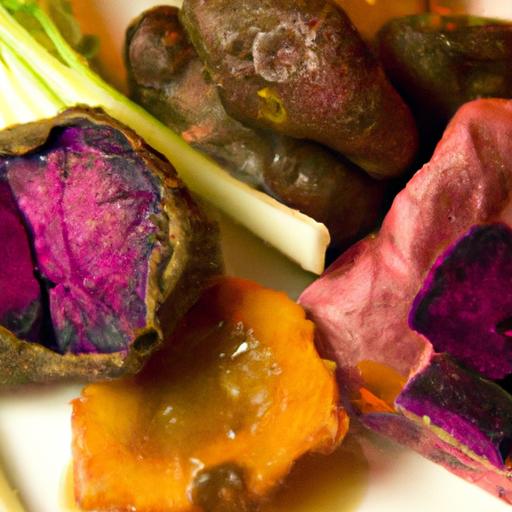


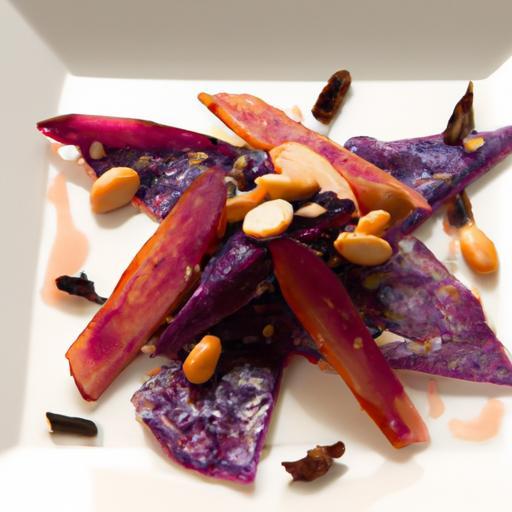
Hidden within the luscious folds of Filipino culinary tradition lies a vibrant treasure – ube halaya, the sweet soul of purple yam jam. More than just a colorful condiment or dessert ingredient, ube halaya is a rich tapestry of history, culture, and flavor that has captivated taste buds both at home and around the world. This velvety, naturally lavender-hued treat transforms humble purple yams into a luscious, creamy delight brimming with sweet nostalgia and festive cheer. Join us as we unwrap the story behind ube halaya, exploring its origins, readiness, and the enchanting role it plays in Filipino celebrations and everyday life alike.
The Origins and Cultural Meaning of Ube Halaya
Ube Halaya, a luscious purple yam jam, has long been a cherished staple in Filipino kitchens. Rooted deeply in the archipelago’s history, this sweet treat goes beyond flavor-it embodies family celebrations, festive gatherings, and a shared cultural identity.Traditionally crafted by boiling and mashing purple yams (ube), combined with coconut milk, sugar, and butter, it’s a dessert that brings warmth and nostalgia to every Filipino home.
Ube Halaya is often highlighted during Philippine holidays like Christmas and fiestas, symbolizing abundance and the indulgence of simple, locally sourced ingredients. Its vibrant violet hue also gives it a unique position in the culinary landscape, instantly making any dessert visually captivating and memorable.
Crafting the Perfect Ube Halaya: Ingredients and Techniques Revealed
Ube Halaya requires precision and patience, but with the right ingredients and method, anyone can create this velvety jam that melts in the mouth. below you will find everything to master this purple treasure with confidence.
Prep and Cook Time
- Preparation: 15 minutes
- Cooking: 45 minutes
- Total time: 1 hour
Yield
Approximately 2 cups (serves 6-8 as a dessert or snack)
Difficulty Level
Medium – requires attentiveness to avoid sticking and lumps
Ingredients
- 2 cups purple yam (ube),peeled,boiled,and mashed
- 1 cup coconut milk (fresh or canned)
- 3/4 cup granulated sugar
- 4 tablespoons unsalted butter,divided
- 1/4 cup condensed milk (optional for extra sweetness & creaminess)
- 1 teaspoon ube extract (for intensified color and flavor,optional)
- Pinch of salt
Instructions
- Prepare the yam: If using fresh ube,peel and cut into chunks. Boil until fork-tender (about 20-30 minutes). Drain and mash thoroughly until smooth and free of lumps.
- Cook the mixture: In a heavy-bottom pan over medium-low heat, combine the mashed ube, coconut milk, and sugar. Stir continuously with a silicone spatula to prevent scorching.
- Add butter: When the mixture starts to thicken (after about 15 minutes),add 2 tablespoons of unsalted butter and the pinch of salt. Continue stirring gently but consistently.
- Sweeten and enrich: Mix in the condensed milk and ube extract (if using). Cook for an additional 10-15 minutes, stirring to achieve a glossy, sticky consistency.
- Finish with butter: Add the remaining 2 tablespoons of butter. Stir until fully melted and incorporated. The texture should be thick but spreadable, with a vibrant purple color.
- Cool down: Transfer the ube halaya to a serving dish or mold. Let it cool to room temperature, then refrigerate to firm up for at least 2 hours before serving.
Tips for Success
- Use a heavy-bottom pan to prevent burning or sticking.
- Constant stirring is essential for an even, smooth texture without lumps.
- Adjust sugar to taste depending on your preference or the natural sweetness of your purple yam.
- For a dairy-free version, substitute butter with coconut oil and omit condensed milk.
- Make-ahead: Store refrigerated in an airtight container for up to one week or freeze in portions for up to one month.
Creative Ways to Enjoy Purple Yam Jam Beyond the Traditional
While classic ube halaya is delightful as it stands, the purple yam jam is wonderfully versatile, inspiring countless modern twists. Why not use it as a filling for pandesal, the beloved Filipino bread roll, infusing breakfast with sweet, comforting waves of ube?
In baking, swirl ube halaya into cheesecake batters or use it as a frosting base for cupcakes and layer cakes, adding bursts of vibrant color and sweet, nutty flavor.
For adventurous palates, mix ube halaya into creamy milkshakes, ice cream, or smoothie bowls. It can also be dolloped atop pancakes or waffles, paired with coconut flakes and toasted nuts for a textural contrast packed with tropical flair.
Pairing Ube halaya with Desserts and Drinks for a Flavorful Experience
The unique flavor profile of ube halaya pairs beautifully with many desserts and beverages. To elevate your indulgence, pair it with a luscious coconut milk ice cream, enhancing its creamy and earthy characteristics.
For drinks, try serving ube halaya alongside a cold glass of refreshing coconut water to balance its rich sweetness with tropical freshness.
In cocktail form, a splash of ube halaya into cream-based cocktails or a violet-hued ube latte can delight the senses-marrying visually stunning hues with deep, intricate flavors.
| Nutrient | Per 100g |
|---|---|
| calories | 160 kcal |
| Protein | 2 g |
| Carbohydrates | 35 g |
| fat | 2 g |

Q&A
Q&A: Ube Halaya Unwrapped – The Sweet Soul of Purple Yam Jam
Q1: What exactly is Ube Halaya?
A: Ube Halaya is a luscious,velvety jam made from purple yam,a vibrant root vegetable native to the Philippines. This sweet treat is a beloved Filipino dessert that captures the earthy, nutty flavor of purple yams, transformed into a creamy, dreamy spread that delights the senses.
Q2: How did Ube Halaya become a Filipino staple?
A: Rooted in centuries of filipino tradition,Ube Halaya has its origins in indigenous cooking methods that prized natural ingredients.Over time, it evolved from a humble yam mash to a festive delicacy served during holidays, family gatherings, and celebrations – a symbol of warmth, resilience, and shared heritage.
Q3: What gives Ube Halaya its signature purple color?
A: The rich, royal purple hue of Ube Halaya comes naturally from the ube, or purple yam, itself. Unlike artificial dyes, the yam’s pigment is a gorgeous anthocyanin compound-a natural antioxidant that lends both color and subtle earthiness to the jam.
Q4: How is Ube Halaya made?
A: Traditionally, steamed or boiled purple yam is mashed and cooked slowly with coconut milk, condensed milk, butter, and sugar. The slow stirring over low heat thickens the mixture into a creamy paste, coaxing out its sweet, velvety essence.The final product is rich, fragrant, and irresistibly smooth.
Q5: why is Ube Halaya considered the “sweet soul” of Filipino desserts?
A: Ube Halaya embodies more than just flavor-it’s a cultural icon. Its vibrant color and sweet, comforting taste evoke nostalgia and community, reminding Filipinos of home and family. It’s the “sweet soul” because it carries stories, tradition, and the warmth of shared moments on every spoonful.
Q6: Can Ube Halaya be used in other dishes?
A: Absolutely! Beyond being enjoyed on its own or as a spread, Ube Halaya stars in many Filipino treats like halo-halo, pancakes, and cakes. Its creamy texture and unique flavor make it a versatile ingredient, inspiring chefs worldwide to create innovative desserts that celebrate purple yam magic.
Q7: Is Ube Halaya healthy?
A: Purple yam is rich in fiber, vitamins, and antioxidants, which are great for health. though,Ube Halaya is also sweetened with sugar and condensed milk,making it an indulgent treat best enjoyed in moderation. It’s a perfect balance of natural goodness and sweet delight.
Q8: Where can one find authentic Ube Halaya?
A: Authentic Ube Halaya is often homemade or found in Filipino markets and specialty stores. For the truest taste, seek out artisanal versions made with fresh purple yams and traditional recipes. But don’t worry-its popularity means you can also discover creative twists on Ube Halaya in many global dessert spots.
From ancient roots to contemporary tables, Ube Halaya is truly a jewel of Filipino cuisine-a sweet, soulful jam that captures the heart in every scoop. Whether savored simply or woven into festive treats, it invites everyone to experience a taste of the Philippines’ rich and colorful heritage.
In Summary
as the vibrant hue of ube continues to captivate taste buds around the world, its rich history and velvety texture remind us that this purple yam jam is more than just a dessert-it’s a cultural treasure. From humble roots in Filipino kitchens to modern culinary innovations, ube halaya stands as a sweet testament to tradition and creativity intertwined. So next time you savor that luscious scoop of purple goodness, remember you’re tasting a slice of heritage, a dollop of nostalgia, and a jam that truly unravels the sweet soul of the Philippines.