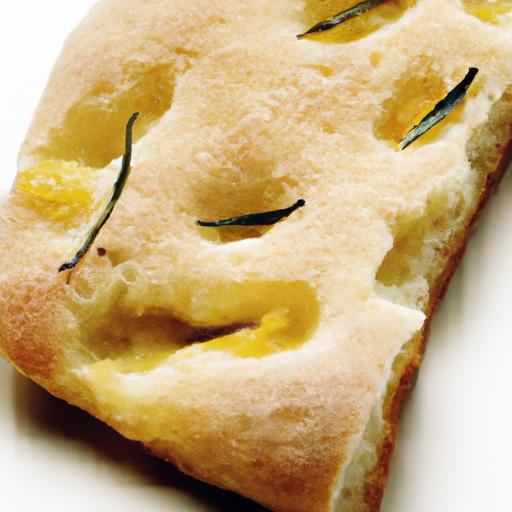


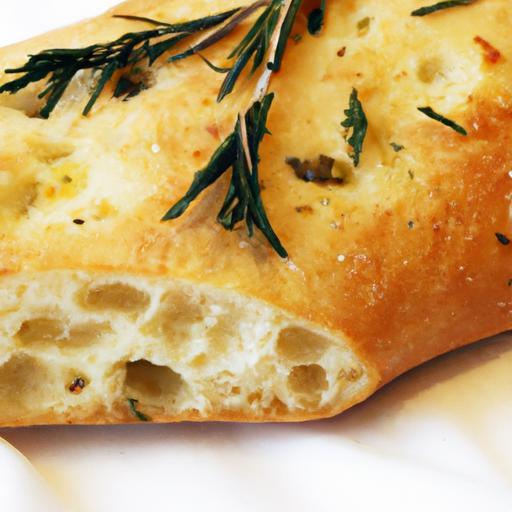
There’s something magical about the way simple ingredients come together to create remarkable flavors-especially when it comes to bread. Among the many breads that have captured hearts worldwide, sourdough focaccia stands out as a rustic masterpiece, marrying the tangy depth of natural fermentation with the aromatic embrace of fresh rosemary and rich olive oil. In this article,we’ll unlock the secrets behind crafting the perfect sourdough focaccia,revealing how time-honored techniques and a few key ingredients transform humble dough into a golden,fragrant delight that’s as versatile as it is delicious. Whether you’re a seasoned baker or a curious kitchen explorer,prepare to embark on a flavorful journey that celebrates tradition,texture,and taste in every bite.
Unlocking flavor starts with a well-tended sourdough starter, the heart and soul of this focaccia recipe. Cultivating that lively culture not only imparts a subtle tang but also builds a complex depth that complements the fragrant rosemary and luscious olive oil.This recipe invites you to nurture your own starter from scratch, creating a natural leaven that transforms humble dough into golden, pillowy focaccia perfection.
Prep and Cook Time
- Readiness: 15 minutes (plus 5-7 days for starter cultivation)
- Active Dough Preparation: 30 minutes
- Bulk Fermentation: 4-6 hours
- Final Proofing: 1 hour
- Baking: 25-30 minutes
Yield
One generous focaccia (about 10×14 inches) serving 6-8 peopel.
Difficulty Level
medium – Perfect for home bakers ready to embrace the joy of artisan bread-making.
Ingredients
- For the Sourdough Starter:
- 50g whole wheat flour
- 50g all-purpose flour
- 100g filtered water, room temperature
- For the Dough:
- 500g bread flour, sifted
- 350g filtered water, lukewarm
- 150g active sourdough starter
- 10g fine sea salt
- 50ml extra virgin olive oil, plus extra for drizzling
- 3 tbsp fresh rosemary, finely chopped
- Coarse sea salt flakes, for finishing
Instructions
- Crafting your sourdough starter: In a glass jar, combine 50g whole wheat flour, 50g all-purpose flour, and 100g filtered water. Stir vigorously until no dry flour remains. Cover loosely with a breathable cloth and let rest at room temperature (21-23°C) for 24 hours. Repeat daily, discarding half and feeding with fresh flour and water, until bubbling and a pleasant, tangy aroma develop (approximately 5-7 days).
- Mix the dough: in a large mixing bowl,combine 500g bread flour with 350g lukewarm water. Mix until incorporated-use a sticky, shaggy texture as your guide. Cover the bowl and rest for 30 minutes (autolyse).
- Add sourdough starter and salt: Stir in 150g active starter and 10g sea salt. Mix thoroughly, incorporating air by folding the dough over itself.Add 50ml olive oil gradually, blending until fully absorbed.
- Bulk fermentation: Cover the dough with a damp towel and allow it to ferment in a warm spot (around 24°C). Every 30 minutes for the first 2 hours, perform gentle stretch-and-folds to build gluten strength. Rest for the remaining 2-4 hours until the dough has nearly doubled in volume.
- Prepare the pan: Generously oil a rectangular baking tray with olive oil to prevent sticking and lend a crisp crust.
- Shape and proof: Transfer dough onto the oiled tray, gently stretching it out with your fingers to fit the pan.Let it proof for 1 hour, covered with a damp cloth, until it visibly rises but does not overproof.
- Infuse fresh rosemary: Sprinkle the finely chopped fresh rosemary evenly across the dough surface. Press lightly with your fingertips to create characteristic dimples. Drizzle extra virgin olive oil liberally, letting it pool in the dimples for a shimmering finish.
- Final seasoning: Scatter coarse sea salt flakes on top, adding bursts of briny contrast.
- Bake: Preheat your oven to 230°C (450°F). Place the focaccia on the middle rack and bake for 20 minutes, then reduce heat to 200°C (390°F) and bake for another 5-10 minutes until golden brown and crisp on the edges.
- Rest: Remove from oven and let cool slightly before slicing. This resting allows moisture redistribution, ensuring the perfect balance between a tender crumb and crackling crust.
Chef’s Notes: Tips for Success
- Starter vitality: Use your starter at peak activity-the best sign is it doubles in volume 4-6 hours after feeding and has a pleasant tangy aroma.
- Water quality: Filtered or non-chlorinated water is crucial; chlorine can inhibit yeast growth.
- adjust hydration: Sourdough focaccia dough is wet and sticky-that’s key to its open crumb and light texture. Resist adding extra flour beyond the recipe.
- Rosemary variations: Try mixing in lemon zest or garlic-infused olive oil for elevated notes.
- Make-ahead: After shaping, refrigerate the dough overnight for a cold fermentation to deepen flavor complexity.
- Baking vessel: A baking stone preheated in the oven enhances even heat distribution, creating a superb crust.
Serving Suggestions
Serve slices warm, drizzled with extra olive oil and a sprinkle of flaky sea salt for an irresistible finish. Pair with a vibrant arugula and cherry tomato salad tossed in balsamic vinegar or alongside a rich bowl of tomato basil soup for a comforting feast. For a rustic touch, add thinly sliced parmesan and a few whole rosemary sprigs as garnish. This focaccia also shines as a tapas base-top with creamy burrata, sun-dried tomatoes, and olives for Mediterranean flair.
| Nutrient | Amount per Serving |
|---|---|
| Calories | 280 kcal |
| Protein | 7g |
| Carbohydrates | 38g |
| Fat | 9g |
Learn more about artisan sourdough techniques to complement this focaccia creation. For detailed science on sourdough microbiology,visit ScienceDirect – Sourdough Fermentation Overview.

Q&A
Q&A: Unlocking flavor – Sourdough Focaccia with Rosemary & Olive Oil
Q1: What makes sourdough focaccia different from regular focaccia?
A1: Sourdough focaccia harnesses the natural fermentation of wild yeast, giving it a tangy depth and a delightfully chewy texture that commercial yeast can’t replicate. This slow-rise process unlocks complex flavors and a light, airy crumb, making every bite a harmonious balance of softness and crunch.
Q2: why use rosemary and olive oil as key ingredients?
A2: Rosemary is a fragrant herb that infuses the focaccia with piney, slightly minty notes, complementing the bread’s subtle sour tang. Olive oil, especially extra virgin, not only enriches the dough with silky moisture but also creates those signature golden, crispy edges. Together, they transform a simple flatbread into an aromatic, savory masterpiece.
Q3: How does the sourdough starter contribute to the flavor profile?
A3: A mature sourdough starter introduces natural acidity and complexity, resulting in a nuanced flavor that evolves with each fermentation. Its bacteria and wild yeast collaborate to break down starches, enhancing digestibility and imparting a slight tang that contrasts beautifully with the richness of olive oil and the herbal brightness of rosemary.
Q4: Can I substitute ingredients without losing the essence of the recipe?
A4: While traditional rosemary and extra virgin olive oil are key for authenticity, experimenting can yield delightful variations. Thyme or sage can replace rosemary for a different herbal twist, and infused oils-like garlic or chili-can add extra layers of flavor.Just remember, the star remains the sourdough’s subtle tang and tender crumb.Q5: What’s the secret to getting those iconic dimples in focaccia?
A5: The dimples are created by gently pressing fingertips into the dough just before baking. This technique traps pockets of olive oil and herbs in little wells, ensuring bursts of flavor and an irresistibly crisp crust.It’s a tactile connection to the bread, inviting you to engage and shape flavor with your hands.
Q6: How can this focaccia elevate everyday meals?
A6: Sourdough focaccia with rosemary and olive oil is a versatile flavor powerhouse. Use it as a fragrant side for soups and salads, a base for creative sandwiches, or torn into chunks for dipping in balsamic vinegar or more olive oil. Its vibrant taste and luscious texture effortlessly elevate simple meals into memorable feasts.
Q7: What’s the best way to store leftover focaccia?
A7: To preserve freshness, wrap leftover focaccia in a clean kitchen towel and store at room temperature for up to two days.For longer storage, freeze slices in airtight bags. Reheat gently in the oven to revive the crispy crust and fragrant aroma, making it taste as if it’s freshly baked.
Unlocking the flavors of sourdough focaccia with rosemary and olive oil reveals an ancient art of breadmaking, blending rustic tradition with vibrant, modern tastes. Happy baking!
The Way Forward
As the golden crust crackles beneath your fingertips and the aromatic embrace of rosemary and olive oil lingers in the air, you’ve unlocked more then just a recipe-you’ve discovered a sensory journey. Sourdough focaccia is a testament to the magic of simple ingredients transformed through patience and care. Whether enjoyed as a rustic companion to your favorite meal or savored on its own,this flavorful bread invites you to slow down,savor every bite,and celebrate the art of baking. So, roll up your sleeves, unleash your creativity, and let your kitchen become a haven where tradition and taste converge in perfect harmony.