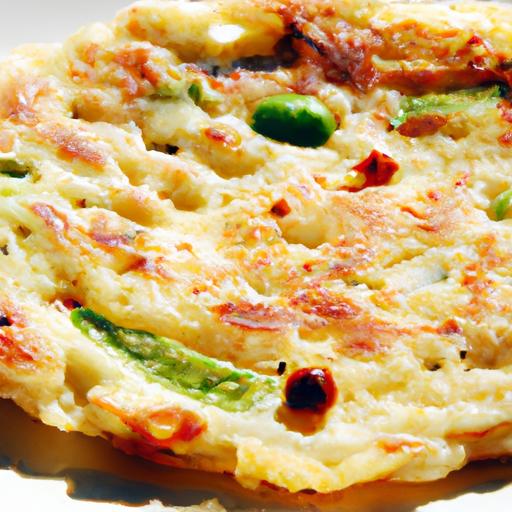


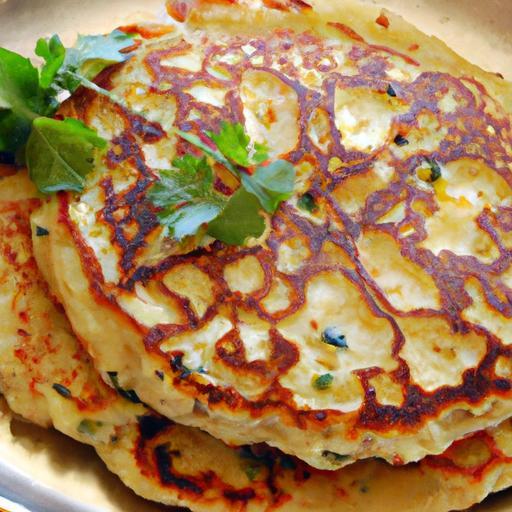
Morning light spills through bustling South Indian streets, where the sizzle of batter on a hot griddle signals the start of a beloved culinary tradition. Uttapam, often overshadowed by its more famous cousin dosa, deserves its rightful place in the spotlight as a savory breakfast treasure. This thick,pancake-like delicacy,adorned with vibrant toppings of onions,tomatoes,chilies,and more,offers a harmonious blend of textures and flavors that awaken the senses. In this exploration of Uttapam, we peel back the layers of history, culture, and culinary artistry to reveal why this humble dish continues to warm hearts and plates across South india-and beyond.
Discovering the Rich Tapestry Behind South India’s favorite Uttapam
Uttapam Unveiled: south India’s Savory Breakfast Delight brings to your table a culinary gem steeped in tradition and bursting with flavors. Rooted deeply in Tamil Nadu and Karnataka’s food cultures, uttapam is more than just a dish; it’s a celebration of humble ingredients transformed into an indulgent morning feast. Historically, Uttapam evolved as an ingenious way to use fermented rice and urad dal batter, a staple in south Indian households, turning simple batter into a thick pancake dotted with fresh, vibrant toppings.
This dish holds a special place in family gatherings and temple offerings, symbolizing nourishment, community, and joy. Unlike its thinner cousin, the dosa, uttapam’s soft, spongy texture and hearty toppings provide a unique eating experience that cradles the palate with every bite.My first encounter with uttapam was at a bustling Chennai street food stall, where the aroma of sizzling batter mingled with freshly chopped onions and tomatoes made the early morning magic unforgettable.
Prep and Cook Time
- Readiness: 12 hours (for fermenting batter)
- Active prep: 20 minutes
- Cooking: 15 minutes
- total Time: 12 hours 35 minutes
Yield
Serves 4 generous portions
Difficulty Level
medium – requires fermentation and attention to cooking temperature
Ingredients
- 1 cup parboiled rice (washed and soaked)
- 1/4 cup urad dal (split black gram), soaked separately
- 1/2 teaspoon fenugreek seeds
- 1-1.5 cups water (adjust for batter consistency)
- 1 teaspoon salt (to taste)
- 1 medium onion, finely chopped
- 1 medium tomato, finely chopped
- 1 green chili, finely chopped (optional)
- 2 tablespoons cilantro, chopped
- 1/2 cup grated carrot (optional)
- 2 tablespoons oil or ghee for cooking
Step-by-Step Method to Craft the Perfect Uttapam Batter and Cook
- Soak Rice and Dal: In separate bowls, soak the parboiled rice and urad dal with fenugreek seeds for at least 8 hours or overnight. This soaking is essential for fermenting and achieving the characteristic softness and subtle tang.
- Grind Ingredients: Drain the soaked rice and dal. First,grind the dal and fenugreek seeds to a smooth,fluffy paste using minimal water. Next, grind the rice coarsely to retain slight texture. Combine both in a large mixing bowl.
- Fermentation: Mix in salt and enough water to achieve a thick but pourable batter-similar to a pancake batter. Cover the bowl with a cloth and leave it in a warm place for 8-12 hours. You’ll notice the batter will rise and develop bubbles indicating successful fermentation.
- Prepare Toppings: While fermenting,chop onions,tomatoes,green chilies,cilantro,and grate carrots. Keep them ready to scatter over the uttapam.
- Preheat Pan: Heat a non-stick skillet or cast iron griddle on medium heat.To test readiness, sprinkle a few drops of water; they should sizzle and evaporate quickly.
- Cook Uttapam: Stir the fermented batter gently. Pour a ladleful onto the pan, spreading it gently into a thick pancake about 4-5 inches wide. Avoid spreading too thin as thickness gives uttapam its characteristic texture.
- add Toppings: Instantly scatter a generous amount of onions,tomatoes,chilies,carrots,and cilantro over the surface. Lightly press them into the batter so they adhere well.
- Drizzle Oil: Drizzle a teaspoon of oil or ghee around the edges and on top. Cook on medium heat for 3-4 minutes until the base is golden brown and the edges lift easily.
- Flip and Cook: Carefully flip using a spatula and cook the other side for about 2-3 minutes until the toppings soften and slightly caramelize.
- Serve Hot: Transfer to a plate and serve immediately for best taste and texture.
chef’s Notes: tips for mastering Uttapam at Home
- Fermentation Tips: Warmer climates speed fermentation; in cooler areas, place the batter in an oven with just the light on. Avoid over-fermentation, which can cause a sour flavor.
- Batter Consistency: Aim for a batter that’s thicker than dosa batter but still pourable. Too thick, and the uttapam will be dense; too thin, and it may break apart.
- Toppings Variations: Explore additions like finely chopped bell peppers, grated cheese, pineapple chunks for a tropical twist, or even corn kernels for sweetness.
- Pan Selection: A well-seasoned cast iron pan yields the crispiest edges while keeping the center soft and fluffy.
- Make Ahead: Batter can be refrigerated for up to 2 days; bring to room temperature before making uttapams.
Serving Suggestions to Impress
Uttapam shines when paired with customary South Indian accompaniments like coconut chutney and spicy sambar. A small dollop of butter melted on top adds richness, while a sprinkle of fresh curry leaves or a dash of black pepper boosts aroma.For a modern touch, serve with tangy yogurt raita or a tomato-based chutney for contrast. Arrange uttapams on a banana leaf or rustic wooden board for an authentic, inviting presentation that delights both the eye and palate.

| Nutrient | Per Serving |
|---|---|
| Calories | 180 kcal |
| Protein | 5 g |
| Carbohydrates | 34 g |
| Fat | 3.5 g |
For further insights into authentic South Indian fermentation techniques and dosas, visit the Serious Eats fermentation guide, a trusted resource for food enthusiasts.
Q&A
Q&A: Uttapam Unveiled - South India’s Savory Breakfast delight
Q1: What exactly is Uttapam?
A1: Uttapam is a traditional South Indian breakfast dish that resembles a thick, fluffy pancake topped with a colorful medley of vegetables. Think of it as the savory cousin of the dosa, with a soft, spongy base made from fermented rice and urad dal (black gram) batter, adorned with onions, tomatoes, chilies, and sometimes even carrots or coriander for that extra zing.Q2: How does Uttapam differ from dosa or idli?
A2: While dosa is thin and crispy, almost like a crepe, and idli is soft and fluffy steamed rice cake, Uttapam strikes a delightful middle ground. It’s thicker and softer than dosa, with a slightly crispy edge, and unlike idli, it’s cooked on a griddle with toppings, giving it a burst of flavors and textures in every bite.
Q3: What gives Uttapam its distinct flavor and texture?
A3: The secret lies in the batter’s fermentation process, which develops a subtle tanginess and light airy texture. When cooked on a hot griddle, the batter bubbles and sets, while the fresh vegetables on top sizzle just enough to release their natural sweetness and crunch – creating a balance of soft, crispy, tangy, and fresh.
Q4: Are the toppings limited to certain vegetables?
A4: Not at all! Traditionally, Uttapam is topped with finely chopped onions, green chilies, tomatoes, and sometimes cilantro.But creativity reigns supreme here – you might find mushrooms, bell peppers, peas, grated carrots, or even grated cheese as modern twists. the beauty of Uttapam is in its versatility.
Q5: What are the typical accompaniments served with Uttapam?
A5: Uttapam is almost incomplete without its loyal companions – coconut chutney, tangy tomato chutney, and a hearty sambar (a spiced lentil stew). These sides provide layers of flavor, from cooling coconut creaminess to a spicy-sour punch, elevating the Uttapam experience to a symphony of tastes.Q6: Why is Uttapam considered a healthy breakfast option?
A6: Made primarily from fermented rice and lentil batter, Uttapam is rich in probiotics that aid digestion. The fresh vegetable toppings add fiber and essential nutrients, while the moderate use of oil during cooking keeps it relatively low in fat. It’s a wholesome, satisfying meal that fuels you gently throughout the morning.
Q7: Can Uttapam be enjoyed beyond breakfast?
A7: Absolutely! While traditionally a morning treat, Uttapam’s hearty nature makes it perfect for any time of day - be it a light lunch, a swift snack, or even a comforting dinner. Its adaptability and satisfying flavors mean it transcends mealtime boundaries.
Q8: How can one make uttapam at home? Any tips for beginners?
A8: Start with a good batter – soaking and fermenting rice and urad dal overnight is key. When cooking, ensure your griddle is hot but not scorching, so the Uttapam cooks evenly without burning. Apply a thin layer of batter, sprinkle the toppings generously, and cover briefly to help the vegetables cook through. Patience is your friend-the more you practice,the better your Uttapams will look and taste!
Q9: What does Uttapam reveal about South Indian culinary culture?
A9: Uttapam embodies the essence of South Indian cuisine: simplicity married with complexity. It showcases the mastery of fermentation, the celebration of fresh produce, and the joy of communal eating. This humble dish reflects centuries of tradition, innovation, and a deep love for food that nourishes both body and soul.
Enjoy the appetizing journey of Uttapam – where every bite tells a story of South India’s vibrant breakfast heritage!
In Conclusion
As the sun rises over South India’s vibrant kitchens, the humble uttapam continues to hold its rightful place as a timeless breakfast treasure. With its golden, crisp edges and colorful medley of toppings, uttapam is more than just a dish-it’s a flavorful celebration of tradition, culture, and culinary art. Whether enjoyed steaming hot on a bustling street or lovingly prepared in a home kitchen, this savory pancake invites everyone to savor the simple joys of life, one delicious bite at a time. So next time you crave a breakfast that’s hearty, wholesome, and steeped in heritage, remember the uttapam-South India’s savory morning masterpiece waiting to be unveiled anew.