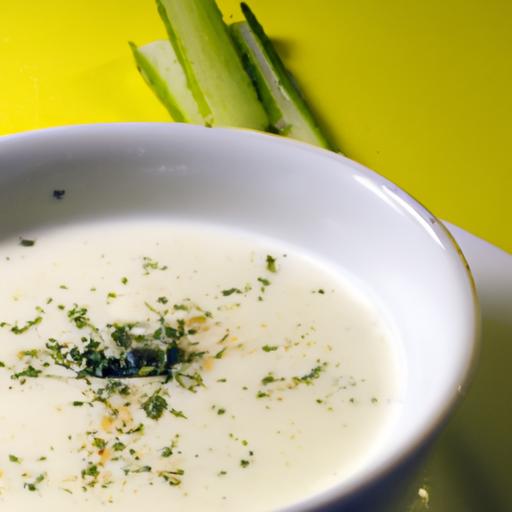


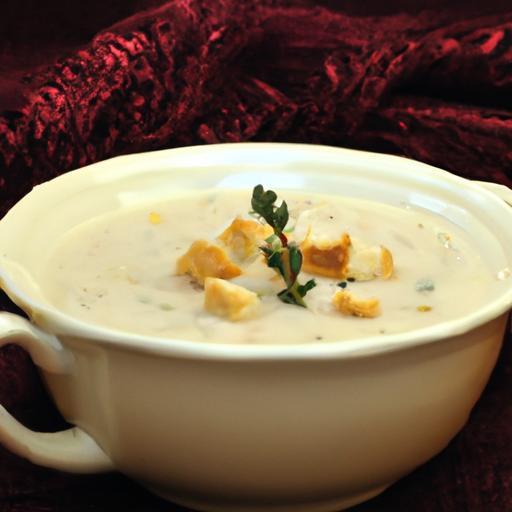
In the heart of Mediterranean cuisine lies a soup that is as comforting as it is captivating-avgolemono. This velvety Greek classic, whose name literally means “egg and lemon,” transcends simple ingredients to create a dish brimming with tangy brightness and creamy warmth. More than just a soup, Avgolemono is a bowl of tradition, weaving together history, culture, and family stories in every spoonful. Join us as we dive into the origins, secrets, and art of crafting this luscious, lemon-kissed delight-where every taste is a journey to sun-drenched Greek kitchens and cherished gatherings around the table.
Velvety Greek Avgolemono Soup is more than just a bowl of comfort; it is a soulful embrace of tradition wrapped in a tangy, luscious broth that glides smoothly across the palate. Rooted deeply in Greek culture, avgolemono-literally “egg and lemon”-combines simple, fresh ingredients into a harmonious symphony of creamy texture and refreshing zest. This timeless classic holds a special place in family gatherings, evoking memories of warmth and home. Mastering the avgolemono technique transforms an ordinary soup into a velvety masterpiece,revealing the heart of Greek comfort food.
Prep and Cook Time
- Planning: 15 minutes
- Cooking: 25 minutes
- Total Time: 40 minutes
Yield
Serves 4 generous bowls
Difficulty Level
Medium – Requires careful temperature control and whisking technique for the perfect silky texture
Ingredients
- 6 cups homemade chicken broth (or high-quality low-sodium broth)
- 1 cup short-grain rice, rinsed
- 3 large eggs, at room temperature
- Juice of 2 lemons (about 1/3 cup fresh lemon juice)
- 1 teaspoon kosher salt, adjust to taste
- Freshly cracked black pepper, to taste
- 2 tablespoons unsalted butter (optional, for extra richness)
- Fresh dill or parsley, finely chopped (optional garnish)
Instructions
- Simmer the broth and Rice: In a large pot, bring the chicken broth to a gentle boil. Add the rinsed rice and a pinch of salt. Reduce heat to low and let the rice simmer until tender and the broth slightly thickens,about 15-18 minutes.
- separate the Eggs: While rice cooks, separate the eggs, placing the whites and yolks in two separate medium bowls. Whisk the yolks until pale and creamy.
- Whip the Egg Whites: Using a handheld mixer or whisk, beat the egg whites until stiff peaks form.This step is key to a light, airy avgolemono.
- Temper the Egg Yolks: Slowly ladle about 1 cup of the hot broth from the pot into the whisked yolks while continuously stirring. This gradual temperature adjustment prevents curdling and creates a silky texture.
- Combine Yolks and Whites: Gently fold the whipped egg whites into the tempered yolks, mixing carefully to retain the fluffy volume.
- Add Lemon juice: stir the fresh lemon juice into the egg mixture, balancing brightness with creaminess.
- Incorporate Into Soup: Remove the pot with rice from heat. Slowly drizzle the egg-lemon mixture back into the pot, stirring constantly but gently. Return to low heat, warming the soup without letting it boil-this protects against curdling and ensures velvety smoothness.
- Finishing Touches: Stir in the butter if using for added silkiness. Season with salt and pepper to taste.
- Serve Instantly: Ladle into warmed bowls, garnished with a sprinkle of fresh dill or parsley for color and herbaceous brightness.
Tips for Success
- Use room temperature eggs: This helps the eggs emulsify properly, leading to that signature velvety finish.
- Temper carefully: Adding hot broth slowly to the eggs avoids lumps and curdling-a common avgolemono pitfall.
- Never boil after adding eggs: Keep the heat low; a gentle warming prevents the egg from scrambling, maintaining silkiness.
- Herbal twists: Fresh thyme, oregano, or mint can be stirred in just before serving to add an aromatic layer.
- Rice alternatives: Replace rice with orzo or small pasta shapes for a different texture, adjusting cooking time accordingly.
- Make-ahead: Prepare broth and rice base in advance. Reheat gently, then proceed with egg-lemon mixture to preserve freshness.
Serving Suggestions
Serve this velvety Greek avgolemono soup steaming hot in rustic bowls, perfect with crusty sourdough bread or a side of Greek olives and feta cheese.Garnish with freshly chopped dill or flat-leaf parsley to add vibrant green contrast. For a heartier meal, add shredded rotisserie chicken or blanched spinach leaves to the soup before the final step. A drizzle of high-quality extra virgin olive oil adds a glossy finish and depth of flavor.
| Nutrient | Per Serving |
|---|---|
| Calories | 210 |
| Protein | 12g |
| Carbohydrates | 22g |
| Fat | 7g |
Discover more classic Greek recipes here and explore [this detailed guide on egg-based sauces](https://www.seriouseats.com/whats-the-best-way-to-make-egg-sauce-avgolemono-lemon-eggs-36052357) for expert tips from Serious Eats.

Q&A
Q&A: Velvety Greek Avgolemono Soup: Tangy Tradition in a Bowl
Q1: What is Avgolemono soup,and where does it originate?
A1: Avgolemono is a classic Greek soup whose name translates to “egg-lemon.” ItS a timeless staple in greek kitchens, cherished for its silky texture and bright, tangy flavor. Originating from Greece’s rich culinary heritage, this soup perfectly balances creamy eggs and zesty lemon, creating a comforting bowl that’s both nourishing and refreshing.Q2: What makes Avgolemono soup unique compared to other soups?
A2: unlike many soups that rely on cream or flour for thickness, Avgolemono achieves its luscious, velvety consistency through a delicate emulsion of eggs and lemon juice. This natural thickening method lends the soup a smooth body and a gentle tang that awakens the palate without overwhelming it.
Q3: What are the main ingredients in Avgolemono soup?
A3: The foundation of Avgolemono includes rich chicken broth or stock, fresh eggs, and freshly squeezed lemon juice. Traditionally, it also contains rice or orzo pasta and sometimes tender pieces of chicken. The simplicity of these ingredients allows each to shine, creating a harmonious blend of flavors and textures.
Q4: How is the silky texture of Avgolemono achieved?
A4: The velvety texture comes from a careful technique called “tempering.” Beaten eggs are slowly combined with hot broth to gently raise their temperature,preventing curdling. This mixture is then stirred back into the pot, creating an emulsion that thickens the soup into a creamy, smooth delight.
Q5: Can Avgolemono soup be enjoyed year-round?
A5: Absolutely! Though traditionally served as a soothing winter warmer or as a restorative post-illness soup, Avgolemono’s bright citrus note makes it a refreshing option any time of year. It’s a versatile dish that warms the soul yet feels light enough for spring and summer dining.
Q6: Are there variations of Avgolemono across Greece or beyond?
A6: Yes! While the core concept remains constant, regional versions may differ slightly-some add orzo, others rice; some include vegetables like carrots or celery; and a few even serve it chilled. Beyond greece, its influence spreads across the Mediterranean and Middle East, inspiring similar egg-lemon broths that celebrate the magic of simple ingredients.
Q7: How can one serve Avgolemono soup for an authentic experience?
A7: serving Avgolemono piping hot in rustic bowls, garnished with a sprinkle of fresh dill or parsley, elevates the experience.Pairing it with crusty bread or a Greek salad offers a well-rounded meal that honors its conventional roots while inviting modern palates to savor this tangy treasure.
Q8: Is Avgolemono soup arduous to prepare at home?
A8: Not at all! While the tempering process requires gentle hands and attention, avgolemono is surprisingly simple to make with a few quality ingredients. With practice, it becomes a rewarding kitchen ritual offering a taste of Greece in every spoonful.
Q9: What cultural significance does Avgolemono hold in Greek households?
A9: Avgolemono is more than just a soup-it’s a symbol of comfort, family, and tradition. Frequently enough served during festive occasions or to nurture loved ones during illness, it embodies the Greek ethos of simple, heartfelt cooking that nourishes both body and soul.
Q10: Can Avgolemono be adapted for dietary preferences?
A10: Certainly! Vegetarian versions use vegetable broth instead of chicken, and gluten-free options replace pasta or rice with quinoa or cauliflower rice. The egg-lemon emulsion remains the star, ensuring the soup retains its signature creaminess and tang.
wrapping Up
as the final spoonful of velvety Greek Avgolemono soup warms your palate, you’re not just savoring a dish-you’re embracing a timeless tradition steeped in history and heart. This tangy, comforting bowl is more than a recipe; it’s a culinary bridge connecting generations, cultures, and stories. Whether enjoyed as a nurturing remedy or a festive centerpiece, Avgolemono invites you to experience the essence of Greece in every luscious, lemon-kissed sip. So next time you crave a taste of heritage wrapped in creamy goodness, let this soup remind you that sometimes, the simplest ingredients create the most unforgettable flavors.